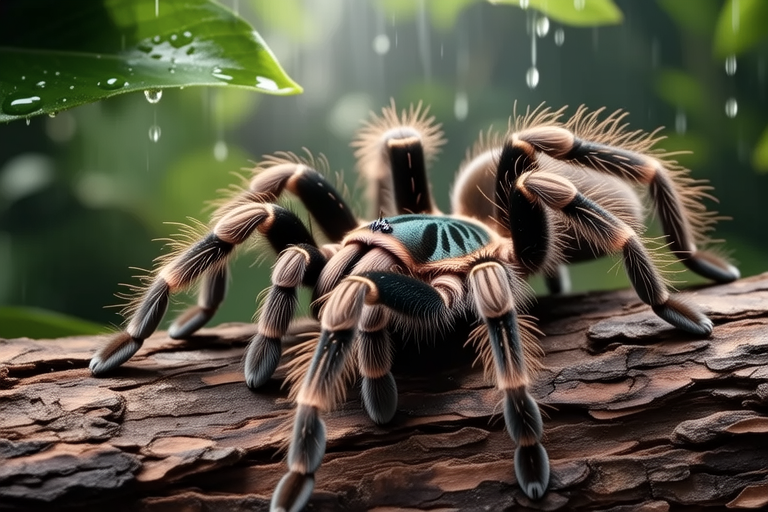
Tarantulas Up Close: Handling and Caring Tips for Beginners
Welcome to the fascinating world of tarantulas! These captivating creatures have been captivating the hearts of arachnid enthusiasts for years. Whether you’re a seasoned spider keeper or a novice looking to start your journey, this guide will provide you with all the necessary information to care for your tarantula properly. From setting up the perfect habitat to understanding their dietary needs and ensuring their well-being, we’ll cover it all.
Understanding Tarantulas
Tarantulas belong to the family Theraphosidae, which includes over 900 different species. They are known for their impressive size and hairy appearance, but despite their intimidating looks, they are generally docile and make excellent pets for those who can handle the responsibility.
Habitat Setup
Creating the right environment for your tarantula is crucial for its health and happiness. Start by choosing an appropriate enclosure. A glass terrarium with a secure lid is ideal, as it allows for proper ventilation while preventing escapes. The size of the enclosure depends on the species; for most tarantulas, a 10-gallon tank is sufficient.
The substrate, or bedding material, is another important consideration. Many owners prefer coconut fiber or peat moss, as these retain moisture well and mimic the natural environment of many tarantula species. Add some cork bark or driftwood for climbing opportunities and a hide spot made from a small cardboard box or half-log.
Proper lighting is also vital. Tarantulas are nocturnal, so they don’t require UVB lighting. However, a low-wattage red bulb can be used for night viewing without disturbing them.
Dietary Needs
Tarantulas are carnivorous and primarily feed on insects. In captivity, crickets, mealworms, and dubia roaches are popular choices. It’s essential to gut-load feeder insects with nutritious food like carrots, apples, and fish flakes before offering them to your tarantula. This ensures that your pet receives optimal nutrition.
Feed your tarantula once or twice a week, depending on its age and size. Younger tarantulas may eat more frequently than adults. Always remove uneaten prey after a few hours to prevent stress or injury to your pet.
Temperature and Humidity Requirements
Maintaining the correct temperature and humidity levels is critical for your tarantula’s health. Most tarantulas thrive at temperatures between 75°F and 85°F (24°C to 29°C). Use a thermometer to monitor the enclosure’s temperature and adjust heating elements as needed.
Humidity should be kept around 60% to 80%, depending on the species. Some desert-dwelling tarantulas, like Aphonopelma chalcodes, prefer lower humidity, while tropical species, such as Pamphobeteus antillorum, need higher humidity levels. You can increase humidity by misting the enclosure daily or using a humidifier.
Safe Handling Techniques
Handling tarantulas requires patience and caution. Always wash your hands before and after handling to avoid transferring oils or chemicals to your pet. Gently coax your tarantula out of its hiding spot using a small stick or forceps. Never grab or squeeze your tarantula, as this can cause stress or injury.
If your tarantula does feel threatened, it might flick urticating hairs from its abdomen. These hairs can irritate human skin, so it’s best to wear gloves when handling. If you experience irritation, rinse the area with water and apply an ice pack to reduce swelling.
Common Health Issues
Like any pet, tarantulas can face health challenges. Common issues include dehydration, mite infestations, and regurgitation. Dehydration can occur if the enclosure is too dry or if the tarantula doesn’t drink enough water. Mites can invade the enclosure and harm your pet. Regurgitation, or the vomiting of undigested food, can indicate stress or an underlying health issue.
If you notice any signs of illness, consult a veterinarian specializing in exotic animals. Early intervention can often resolve minor health issues before they become serious.
Creating a Stimulating Environment
To keep your tarantula engaged and healthy, provide enrichment opportunities within its enclosure. Introduce new objects periodically to stimulate curiosity and exploration. You can add plants, tunnels, or even a shallow water dish for soaking. Rotate these items every few weeks to maintain interest.
Regular cleaning is also essential. Remove waste and replace the substrate monthly. Clean the enclosure thoroughly with a mild disinfectant and allow it to air dry before returning your tarantula.
Conclusion
Caring for a tarantula can be a rewarding experience, offering a unique glimpse into the lives of these remarkable creatures. By following the guidelines outlined in this article, you’ll ensure that your pet remains healthy and happy. Remember, each tarantula is unique, so pay close attention to its behavior and adjust its care accordingly. With time and dedication, you’ll develop a strong bond with your new arachnid companion.
