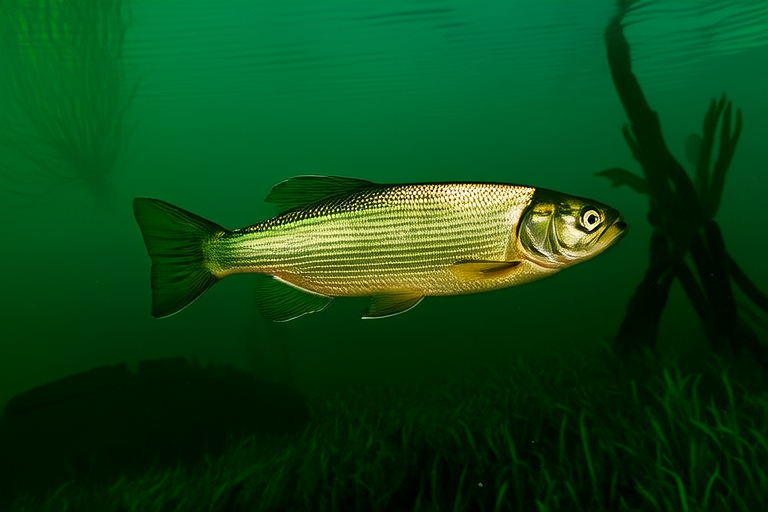
Arowana Insights: Secrets to Keeping These Exotic Giants Happy and Healthy
Arowanas are among the most exotic and fascinating fish species that can be kept in home aquariums. Known for their striking appearance and unique behaviors, these freshwater giants require specialized care to thrive. This guide aims to provide you with comprehensive insights into the world of arowanas, covering everything from optimal tank setups to common health issues and preventive measures.
The Unique Characteristics of Arowanas
Arowanas are native to tropical regions of South America, Africa, and Asia. They are highly prized for their sleek bodies, elongated dorsal fins, and the ability to leap out of the water to catch prey. Their scales are large and bony, providing excellent protection against predators. These fish are known for their intelligence and can recognize their owners, making them not only beautiful but also interactive pets.
Optimal Tank Setup
Creating the right environment is crucial for arowanas. They need a spacious tank, ideally at least 300 gallons for a single adult. The tank should be long rather than tall, as arowanas prefer horizontal swimming. A sandy substrate is recommended to prevent injuries to their delicate barbels. Decorations such as driftwood and aquatic plants can be added, but ensure they are securely anchored to avoid being uprooted by the fish’s powerful movements.
Water Conditions
Arowanas thrive in warm, slightly acidic water. Maintain a temperature between 78°F and 84°F (25°C to 29°C) and a pH level between 6.5 and 7.5. Regular water changes are essential; aim for about 20% every two weeks. Use a high-quality filter to maintain water quality and ensure adequate oxygenation, as arowanas are surface-oriented breathers. A gentle water flow is preferable to mimic their natural habitat.
Diet and Feeding Habits
Arowanas are carnivorous and require a varied diet to stay healthy. Their staple food includes live or frozen fish, shrimp, and worms. Occasionally, they can be fed pellets designed for large carnivorous fish. Feed them once or twice daily, offering as much food as they can consume within five minutes. Overfeeding can lead to obesity and other health issues, so monitor their intake carefully.
Behavior and Interaction
Arowanas are generally peaceful but can become territorial as they mature. They may exhibit aggressive behavior towards smaller tank mates, so it’s important to house them with similarly sized species. They are active during the day and enjoy exploring their environment. Some aquarists report that arowanas can learn to respond to their owners, often coming to the front of the tank when fed.
Breeding Arowanas
Breeding arowanas is challenging and typically requires specific environmental conditions. Males build bubble nests under floating plants, where they guard the eggs and fry. In captivity, breeding usually occurs in a separate breeding tank with controlled parameters. Success rates can vary, and professional assistance may be necessary for optimal results.
Common Health Issues and Preventive Measures
Like all fish, arowanas are susceptible to various health issues. Common problems include bacterial infections, fungal growth, and parasitic infestations. Maintaining pristine water quality is key to preventing many of these issues. Regularly check your fish for signs of illness, such as lethargy, loss of appetite, or unusual spots or lesions. Quarantine new additions to the tank to avoid introducing diseases.
Tips for Maintaining Well-Being
To keep your arowanas happy and healthy, follow these tips:
- Ensure proper filtration and aeration.
- Perform regular water tests to monitor pH, ammonia, nitrite, and nitrate levels.
- Provide hiding spots and ample space for swimming.
- Feed a balanced diet rich in nutrients.
- Monitor behavior for any signs of stress or illness.
Conclusion
Keeping arowanas in a home aquarium is a rewarding experience for those willing to invest time and resources into creating the perfect environment. By understanding their unique needs and providing appropriate care, you can ensure these magnificent creatures lead long, healthy lives. Whether you’re a novice aquarist or an experienced hobbyist, arowanas offer a unique challenge and a fascinating addition to any aquarium.
