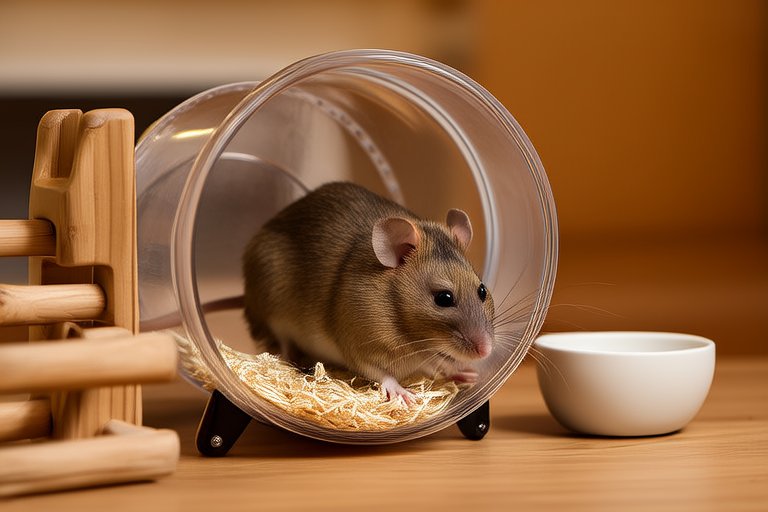
How To Create The Perfect Habitat For Your Pet Fancy Rat
Essential Habitat Components
Your pet fancy rat needs a spacious, comfortable, and stimulating environment to thrive. The primary component is a cage that provides ample room for movement and exploration. A minimum cage size of about 4 square feet (36 inches x 36 inches) is recommended for a pair of rats. Opt for wire cages with a solid floor, as they offer good ventilation and prevent injury from sharp edges.
Bedding materials are crucial for comfort and hygiene. Aspen wood shavings or paper-based bedding are safe and absorbent choices. Avoid cedar and pine shavings, which can be harmful due to their aromatic oils. Provide nesting boxes made from untreated wood or cardboard to give your rats a cozy place to sleep and hide.
Importance of Environmental Enrichment
To keep your fancy rat mentally stimulated, include a variety of toys and activities. Chew items like wooden blocks or untreated willow balls help maintain dental health. Tunnels and ladders encourage physical activity and provide mental challenges. Rotate these items periodically to prevent boredom and keep your rats engaged.
Proper Ventilation and Temperature Control
Adequate ventilation ensures fresh air circulation, reducing the risk of respiratory issues. Position the cage away from direct sunlight and drafts, maintaining a stable temperature between 65°F and 75°F (18°C to 24°C). Use a thermometer to monitor temperatures and adjust heating or cooling as necessary.
Safe and Appropriate Food and Water Dispensers
Install food and water dispensers designed specifically for small animals. Hanging water bottles with sipper tubes are preferred over open bowls, as they reduce contamination risks. Place food dishes in areas easily accessible but not directly under perches to avoid soiling.
Cleaning and Maintenance Schedule for Hygiene
Maintain a regular cleaning routine to ensure your rat’s habitat remains hygienic. Spot clean daily by removing soiled bedding and replacing it with fresh material. Deep clean the entire cage weekly, washing all accessories and replacing bedding thoroughly. Disinfect surfaces with pet-safe cleaners to eliminate bacteria and odors.
Tips for Introducing New Elements to the Habitat Without Stressing the Rat
Introduce new items gradually to minimize stress. Place new toys or accessories near the entrance of the cage initially, allowing your rats to approach them at their own pace. Offer treats during this process to create positive associations with the changes.
Safety Considerations: Avoiding Toxic Materials and Common Household Dangers
Avoid placing toxic plants or materials within reach of your rats. Keep wires and cables secured to prevent chewing hazards. Ensure any cleaning products used are pet-safe and stored out of reach. Regularly inspect the cage for potential dangers such as loose screws or sharp objects.
Examples of Suitable Habitats Based on Space Availability
If space is limited, consider vertical cages with multiple levels. These provide more living space without taking up much floor area. For larger spaces, multi-story cages with ramps and platforms can be ideal, offering plenty of room for exercise and play. Always prioritize the well-being and safety of your rats when selecting a habitat.
