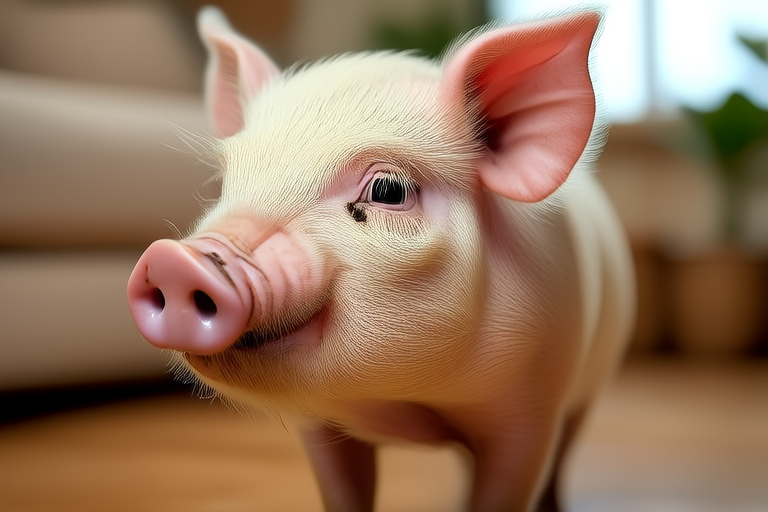
Mini Pig Adoption: What You Need to Know Before Welcoming One Home
Welcome to the wonderful world of mini pigs! These intelligent, affectionate, and often misunderstood creatures can make fantastic companions. However, before you decide to adopt one, it’s essential to understand their unique characteristics, dietary needs, space requirements, grooming tips, health considerations, and training methods. This guide will provide you with all the information you need to make an informed decision and prepare for your new furry friend.
The Unique Characteristics of Mini Pigs
Mini pigs, also known as teacup or micro pigs, are not just small versions of regular pigs. They have distinct physical and behavioral traits that set them apart. Mini pigs are highly intelligent, curious, and social animals. They thrive on interaction and mental stimulation, making them great pets for active families. Despite their small size, they can live up to 15 years, so it’s crucial to be prepared for a long-term commitment.
One of the most remarkable features of mini pigs is their ability to form strong bonds with their owners. They are affectionate and enjoy cuddling, which makes them ideal companions for people who want a pet that will provide emotional support. Additionally, mini pigs are clean animals and can be house-trained, allowing them to live indoors comfortably.
Dietary Needs of Mini Pigs
Proper nutrition is vital for the health and well-being of mini pigs. A balanced diet should consist of high-quality commercial pig pellets, vegetables, fruits, and occasional treats. It’s important to avoid feeding them foods rich in sugar and fat, as these can lead to obesity and other health issues. Always consult with a veterinarian or animal nutritionist to create a customized diet plan for your mini pig.
Mini pigs require a constant supply of fresh water. Ensure that their water source is easily accessible and regularly cleaned to prevent contamination. Proper hydration helps maintain their overall health and supports their digestive system.
Space Requirements for Mini Pigs
While mini pigs are smaller than their larger counterparts, they still need ample space to move around and exercise. Providing a spacious indoor area with comfortable bedding and toys is essential for their physical and mental well-being. If possible, create an outdoor enclosure where they can explore and play safely.
Consider the layout of your home when adopting a mini pig. Ensure that there are no sharp corners or small spaces where they could get stuck. Mini pigs are curious creatures and may investigate every nook and cranny, so it’s important to keep hazardous items out of reach.
Grooming Tips for Mini Pigs
Regular grooming is necessary to keep your mini pig clean and healthy. Brush their coat weekly to remove dirt and loose hair. Bathing should be done only when necessary, as over-bathing can strip their skin of natural oils. Use a gentle shampoo specifically formulated for pigs and rinse thoroughly to avoid any residue.
Carefully trim their nails every few weeks to prevent overgrowth. Consult with a professional groomer if you’re unsure about how to do this safely. Additionally, check their ears and eyes regularly for signs of infection or irritation. Clean their ears gently with a damp cloth and wipe away any discharge from their eyes.
Health Considerations for Mini Pigs
Mini pigs are susceptible to various health conditions, including parasites, respiratory infections, and dental problems. Regular veterinary check-ups are crucial to detect and treat any issues early. Schedule routine visits at least once a year, and more frequently if your pig exhibits unusual symptoms.
Vaccinations are essential to protect your mini pig from diseases. Follow your veterinarian’s recommendations regarding vaccinations and parasite control. Maintain a clean living environment by cleaning their bedding and toys regularly and providing adequate ventilation.
Training Methods for Mini Pigs
Training your mini pig is an excellent way to establish boundaries and strengthen your bond. Positive reinforcement techniques, such as offering treats and praise, work best for these intelligent animals. Start with basic commands like “sit” and “stay” and gradually introduce more complex tricks.
Consistency is key when training your mini pig. Be patient and reward desired behaviors promptly. Avoid punishment-based methods, as they can cause stress and damage your relationship with your pet. With time and effort, your mini pig will learn to respond to your commands and become a well-behaved companion.
Common Misconceptions About Mini Pigs
There are several myths surrounding mini pigs that can influence potential adopters’ decisions. One common misconception is that mini pigs remain small throughout their lives. In reality, they can grow to weigh between 50 to 150 pounds, depending on their breed and genetics. Another myth is that mini pigs are low-maintenance pets. While they may be smaller than standard pigs, they still require significant attention, care, and resources.
It’s also important to note that mini pigs are not always suitable for apartment living. Their need for space, exercise, and social interaction should be carefully considered before bringing one into your home. Research thoroughly and consult with experienced pig owners or veterinarians to gain a realistic understanding of what it takes to care for a mini pig.
Preparing for Your New Mini Pig
Adopting a mini pig is a big decision that requires careful planning and preparation. Before welcoming your new pet home, ensure that you have a safe and comfortable living environment ready for them. This includes setting up appropriate sleeping quarters, providing toys and enrichment activities, and establishing a feeding schedule.
Additionally, familiarize yourself with local regulations regarding keeping pigs as pets. Some areas may have restrictions or require permits, so it’s essential to be aware of these rules before proceeding with adoption. By doing your homework and preparing adequately, you’ll be able to create a happy, healthy environment for your mini pig and ensure a smooth transition into your home.
In conclusion, mini pigs are fascinating animals that can bring joy and companionship to their owners. By understanding their unique characteristics, dietary needs, space requirements, grooming tips, health considerations, and training methods, you’ll be well-equipped to provide a loving home for your new pet. Remember that research and preparation are crucial steps in ensuring a successful adoption and a lifelong bond with your mini pig.
