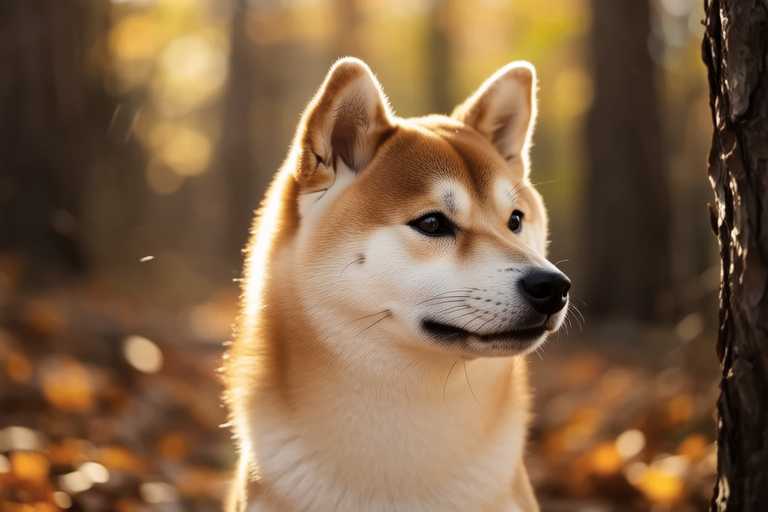
The Ultimate Guide to Raising a Spirited Shiba Inu
Understanding the Shiba Inu’s Spirited Nature
The Shiba Inu is a breed that has been cherished for centuries in Japan, known for its fox-like appearance and independent spirit. This small but sturdy dog is a descendant of ancient spitz types and is renowned for its resilience and intelligence. Understanding the spirited nature of a Shiba Inu is crucial for any owner.
Shibas are known for their aloofness and independence, which can sometimes be mistaken for stubbornness. They are loyal to their families but tend to be reserved with strangers. Their natural instincts as a hunting dog mean they can be quite vocal and alert, making them excellent watchdogs. Owners need to understand and respect these traits while also providing guidance and structure to ensure a well-adjusted pet.
Essential Training Techniques
Training a Shiba Inu requires patience and consistency due to their independent nature. Positive reinforcement methods work best, rewarding good behavior with treats and praise. Early socialization and obedience training are vital to help your Shiba Inu become a well-behaved companion.
Start with basic commands such as ‘sit,’ ‘stay,’ and ‘come.’ Use short, frequent training sessions to keep your Shiba engaged. Shibas can be prone to selective hearing, so it’s important to be consistent and patient. Avoid harsh corrections, as this can lead to resistance and fear. Instead, focus on building a strong bond through positive interactions.
Leash training is particularly important for Shibas due to their tendency to wander. A gentle, no-pull harness can be effective in preventing pulling and ensuring control during walks. Crate training can also be beneficial, providing a safe space for your Shiba when you’re not around and helping with house training.
Dietary Needs
A balanced diet is essential for maintaining your Shiba Inu’s health and vitality. High-quality dog food that meets AAFCO standards should be chosen based on your Shiba’s age, size, and activity level. Look for foods rich in protein from meat sources like chicken, beef, or fish, along with whole grains and vegetables.
Portion control is key to avoid obesity, which is a common issue among Shibas. Monitor your dog’s weight regularly and adjust feeding amounts accordingly. Fresh water should always be available. Consult with your veterinarian about supplements if necessary, especially if your Shiba has specific dietary needs.
Introduce new foods gradually to prevent digestive upset. Avoid human foods that are toxic to dogs, such as chocolate, grapes, onions, and garlic. Treats should be given sparingly to maintain a healthy weight.
Exercise Requirements
Shibas are energetic dogs that require regular physical activity to stay healthy and happy. Daily walks and playtime are essential. While they may not require as much exercise as larger breeds, Shibas benefit from mental stimulation as well. Interactive toys and puzzle feeders can help keep their minds engaged.
Providing opportunities for your Shiba to run and explore in a secure area is ideal. Agility courses or fetch games can also be great ways to tire them out mentally and physically. However, remember that Shibas can be independent thinkers and may need encouragement to participate in activities.
Consistent exercise helps reduce behavioral issues such as excessive barking or destructive chewing. It also promotes better sleep, contributing to overall well-being.
Grooming Tips
The Shiba Inu has a double coat that sheds seasonally, requiring regular brushing to prevent matting and minimize hair around the house. Brush your Shiba at least twice a week, increasing to daily during shedding seasons.
Bathing should be done only when necessary, typically every few months, to avoid stripping the natural oils from their coat. Use a mild dog shampoo and ensure thorough rinsing. Trim nails regularly to prevent overgrowth and discomfort. Check ears weekly for signs of infection or irritation, and clean them gently if needed.
Brushing teeth regularly helps maintain oral hygiene and prevents dental diseases. Dental chews and toys can also aid in keeping teeth clean. Proper grooming not only keeps your Shiba looking great but also strengthens the bond between you two.
Common Health Issues
Like all breeds, Shibas are susceptible to certain health conditions. Regular veterinary check-ups can help catch potential problems early. Some common issues include hip dysplasia, patellar luxation, and eye disorders such as progressive retinal atrophy.
Vaccinations and preventive care, including flea and tick treatments, are important for maintaining your Shiba’s health. Genetic testing may be recommended for breeding pairs to identify carriers of inherited diseases. Early detection and management of health issues can significantly improve your Shiba’s quality of life.
Maintaining a healthy weight and providing a nutritious diet are crucial in preventing obesity-related complications. Keeping an eye on your Shiba’s overall condition and responding promptly to any changes in behavior or physical health is vital.
Advice on Socializing Your Shiba Inu
Socializing your Shiba Inu from a young age is critical for developing a well-rounded and confident adult dog. Expose your puppy to various people, animals, environments, and situations to help them become comfortable and adaptable.
Begin socialization during the critical period between 3 and 14 weeks of age. Take your Shiba to puppy classes, parks, and other places where they can meet different people and animals. Encourage positive interactions and reward calm behavior. Continue socialization throughout your Shiba’s life by introducing them to new experiences gradually.
Be mindful of your Shiba’s natural wariness around strangers. Allow them to approach others at their own pace and provide reassurance. Never force your Shiba into uncomfortable situations, as this could lead to fearfulness or aggression.
