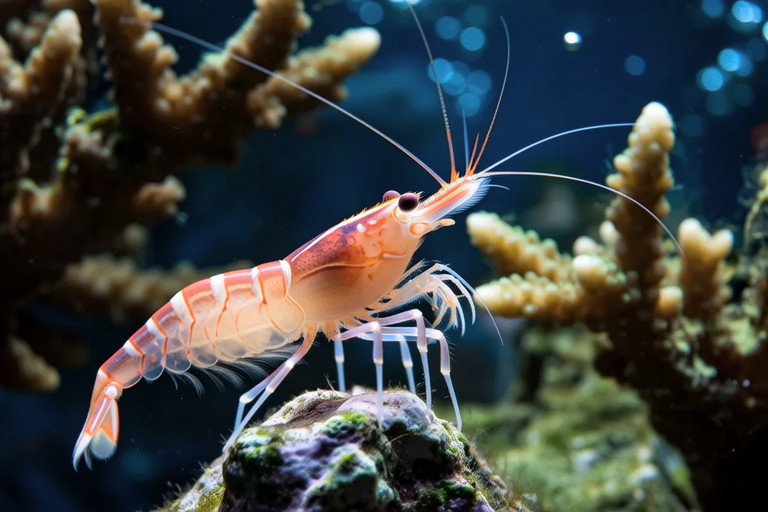
From Ocean to Tank: How Coral Shrimp Adapt in Home Aquariums
Coral shrimp, also known as Sergestes robustus, have become increasingly popular among aquarium enthusiasts due to their vibrant colors and active behavior. These tiny crustaceans add a splash of color and life to any marine tank, making them a favorite among both beginners and seasoned aquarists. In this article, we will explore the world of coral shrimp, their natural habitat, and how to successfully adapt them to a home aquarium environment.
Introduction to Coral Shrimp Species
There are several species of coral shrimp commonly found in home aquariums, each with its unique characteristics. The most popular include the blood red shrimp (Haithiella haithi), the scarlet cleaner shrimp (Periclimenes pedersoni), and the peppermint shrimp (Lysmata wurdemanni). Each species has distinct features that make them appealing to aquarists, such as their striking coloration or beneficial behaviors like cleaning algae from corals and fish.
Natural Habitat in the Ocean
In their natural habitat, coral shrimp are typically found in shallow, warm waters near coral reefs and rocky outcrops. They thrive in environments with strong currents and high water flow, which mimics their natural surroundings. These areas provide ample food sources, shelter, and breeding grounds. Coral reefs offer a diverse range of hiding spots, including crevices, caves, and under rocks, where shrimp can seek refuge from predators and harsh conditions.
The ocean environment is rich in nutrients, with a constant supply of plankton and organic matter serving as food for coral shrimp. Additionally, the presence of other marine organisms, such as sponges and algae, provides additional sources of sustenance. Water temperature, salinity, and pH levels play crucial roles in maintaining the health of coral shrimp in their natural habitats. Understanding these factors is essential for replicating them in a home aquarium setting.
Water Parameters for Optimal Health
To ensure the well-being of coral shrimp in a home aquarium, it’s vital to maintain optimal water parameters. A stable environment with consistent temperature, salinity, and pH levels is crucial for their survival. Ideal water temperatures range between 74°F and 82°F (23°C to 28°C), while salinity should be kept at around 1.020 to 1.025 specific gravity. pH levels should remain within the range of 8.1 to 8.4, simulating the alkaline conditions found in their natural habitats.
Adequate filtration and regular water changes are necessary to prevent the buildup of harmful substances like ammonia and nitrite. Maintaining a healthy nitrogen cycle is essential for all marine creatures, including coral shrimp. Regular testing of water parameters using reliable test kits will help identify any imbalances early, allowing for prompt corrective action.
Diet and Feeding Requirements
Coral shrimp are omnivorous, feeding on a variety of food sources, including algae, detritus, and small invertebrates. In a home aquarium, providing a balanced diet is key to their overall health. While they can find some food naturally in the tank, supplementing their diet with prepared foods like pellets, flakes, and frozen foods ensures they receive all necessary nutrients. Algae wafers and blanched vegetables like spinach and zucchini can also be offered as occasional treats.
Feeding should be done sparingly to avoid overfeeding, which can lead to poor water quality. A general rule of thumb is to feed once or twice daily, offering only what the shrimp can consume within a few minutes. Over time, you’ll learn their feeding patterns and adjust accordingly. Providing a varied diet helps maintain their vibrant colors and promotes healthy growth.
Tank Mates and Compatibility
Selecting appropriate tank mates is crucial when housing coral shrimp. Ideally, tank mates should be peaceful and non-aggressive, avoiding species that may prey on smaller shrimp or compete for food. Compatible tank mates include small fish like cardinal tetras, dwarf gouramis, and clownfish. Invertebrates like hermit crabs and snails can also coexist peacefully with coral shrimp.
Avoid housing coral shrimp with larger, more aggressive species that might pose a threat to their safety. Fish like lionfish, triggerfish, and large angelfish should be avoided, as they may view shrimp as prey. Similarly, predatory invertebrates like certain types of crabs and starfish should be excluded from the tank. Ensuring a harmonious community is essential for the well-being of all inhabitants.
Setting Up an Ideal Tank Environment
Creating an ideal tank environment for coral shrimp involves careful planning and attention to detail. Begin by selecting a suitable tank size; a minimum of 20 gallons is recommended for a small group of shrimp. A larger tank provides more space for exploration and reduces stress levels. Incorporate plenty of hiding places using live rock, coral, and driftwood, mimicking their natural reef environment.
Proper lighting is essential for the growth of algae and the overall aesthetics of the tank. LED lights are a popular choice due to their energy efficiency and ability to replicate natural daylight cycles. A timer can be used to automate lighting schedules, ensuring consistency. Additionally, incorporating a protein skimmer helps remove organic waste and excess nutrients from the water, maintaining water clarity and quality.
Common Challenges and Solutions
Despite best efforts, aquarists may encounter challenges when adapting coral shrimp to a home aquarium. One common issue is stress-related molting problems. Shrimp shed their exoskeletons periodically to accommodate growth, but stress can delay or disrupt this process. To minimize stress, ensure a stable environment with consistent water parameters and provide ample hiding spots.
Another challenge is ensuring sufficient food availability. Insufficient food can lead to malnutrition and weakened immune systems. Offering a varied diet and monitoring feeding habits can help address this concern. Additionally, overcrowding can lead to competition for resources and increased aggression. Maintaining an appropriate stocking level prevents these issues.
Maintaining Health and Longevity
Regular maintenance practices contribute significantly to the health and longevity of coral shrimp. Perform weekly water changes of about 10% to 20% to remove accumulated waste and maintain water quality. Clean filters and equipment regularly to prevent clogging and ensure efficient operation. Observing shrimp behavior closely allows for early detection of any potential health issues, enabling timely intervention.
Quarantine new additions to the tank for at least two weeks before introducing them to the main aquarium. This practice helps prevent the introduction of diseases or parasites. Quarantining also allows new inhabitants to acclimate gradually, reducing stress and improving their chances of survival.
Benefits of Keeping Coral Shrimp
Keeping coral shrimp offers numerous benefits for both the shrimp and the overall aquarium ecosystem. Their vibrant colors and active behavior add visual interest and excitement to the tank, enhancing the观赏体验 for aquarists. Additionally, coral shrimp play a crucial role in maintaining tank cleanliness by consuming algae and detritus, reducing the need for frequent manual cleanings.
Moreover, coral shrimp contribute to the biological balance of the tank by interacting with other inhabitants. Their presence encourages a diverse and thriving community, promoting a healthy and dynamic aquatic environment. By fostering such ecosystems, aquarists can enjoy a rewarding and fulfilling hobby while contributing positively to the well-being of marine life.
In conclusion, adapting coral shrimp to a home aquarium requires careful consideration of their natural habitat and specific needs. By understanding their environmental preferences, dietary requirements, and compatibility with other species, aquarists can create an ideal environment that supports their health and well-being. With proper care and attention, coral shrimp can thrive in a home aquarium, bringing joy and beauty to both beginners and experienced aquarists alike.
