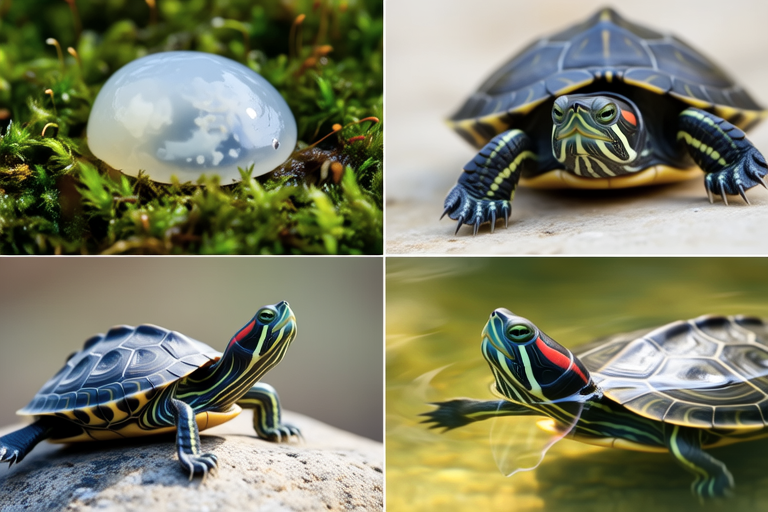
From Egg to Adult: Journey of a Red-Eared Slider!
The red-eared slider (Trachemys scripta elegans) is one of the most popular pet turtles in the world. Known for their vibrant colors and relatively easy care, these turtles offer an engaging journey from egg to adulthood. This comprehensive guide will walk you through every stage of a red-eared slider’s life, from breeding and egg-laying to adulthood, providing both novice and experienced reptile owners with valuable insights.
Breeding Habits and Egg-Laying Process
Red-eared sliders reach sexual maturity between 3 to 5 years of age. Mating typically occurs in the spring or early summer, with males initiating courtship by swimming around the female. During this period, males may become more aggressive, often biting the female’s legs or tail. Successful mating leads to the female laying eggs several weeks later.
Egg-laying usually happens in June or July. Females seek out a suitable nesting site, often near water bodies, where they dig a shallow hole using their hind legs. Each clutch can contain up to 20 eggs, though the average is around 8 to 12. The eggs are soft-shelled and leathery, ensuring protection during incubation.
Incubation Periods and Factors Influencing Hatching Success
Once laid, the eggs need to be kept in a warm environment to ensure successful hatching. Incubation periods range from 60 to 90 days, depending on temperature and humidity levels. Optimal conditions for incubation include temperatures between 24°C and 27°C (75°F and 80°F) and humidity levels around 70% to 80%. Higher temperatures can lead to faster hatching but also increase the risk of deformities.
Variations in temperature can also influence the sex of the hatchlings. In general, warmer temperatures tend to produce more females, while cooler temperatures favor males. Maintaining consistent environmental conditions is crucial for ensuring healthy offspring.
Hatchling Stage: Care Requirements and Growth Patterns
Newly hatched red-eared sliders are tiny, measuring about 1 inch in length. Their primary goal at this stage is to eat and grow quickly to avoid predators. Hatchlings require a balanced diet rich in protein, which can include small insects, worms, and commercial turtle food. Water quality is also paramount; regular water changes help prevent infections and promote healthy growth.
Growth rates vary, but under ideal conditions, hatchlings can grow up to 2 inches per year. They shed their skin periodically, a process that helps them grow. It’s essential to provide adequate space and hiding spots to reduce stress and facilitate proper development.
Juvenile Phase: Dietary Needs, Habitat Adjustments, and Common Health Issues
As juveniles, red-eared sliders continue to grow rapidly, reaching sizes of about 4 to 6 inches by the time they are two years old. Their diet shifts to include more vegetation as they transition from carnivores to omnivores. A varied diet consisting of commercial turtle pellets, leafy greens, and occasional live or frozen foods like brine shrimp or earthworms is recommended.
Habitat adjustments are necessary as they grow. Juveniles require more space, ideally a tank of at least 40 gallons. The water depth should allow them to swim comfortably, and basking areas must be provided to help regulate body temperature. UVB lighting is crucial for calcium absorption and overall health.
Common health issues in this stage include shell rot, respiratory infections, and metabolic bone disease. Regular monitoring and prompt treatment are essential. Proper hygiene and a balanced diet can significantly reduce the risk of these problems.
Adult Stage: Mature Size, Longevity, and Maintenance Tips
Red-eared sliders reach full maturity at around 10 to 12 years of age, with a typical lifespan ranging from 20 to 30 years. Fully grown adults can measure up to 12 inches in length, with females generally being larger than males. Their shells develop a distinctive pattern of yellow stripes and dark patches, making each individual unique.
Maintenance for adult sliders involves ensuring they have enough space and appropriate environmental conditions. An adult slider requires a tank of at least 120 gallons, with ample swimming area and a well-designed basking spot. Water quality remains critical, so regular filtration and water changes are necessary. UVB lighting should still be provided to support calcium metabolism.
Health checks are vital for long-term care. Annual veterinary visits can help detect potential issues early. Regular monitoring of weight and activity levels can also indicate any changes in health. Providing a varied diet and maintaining clean living conditions are key to keeping your turtle healthy and happy.
Conclusion
The journey from egg to adult for a red-eared slider is a fascinating process that involves careful attention to breeding, incubation, and care at each developmental stage. Whether you’re a first-time owner or an experienced reptile enthusiast, understanding the lifecycle of your turtle will enhance your ability to provide optimal care. By following the guidelines outlined here, you can ensure that your red-eared slider thrives throughout its lifetime, offering years of enjoyment and companionship.
