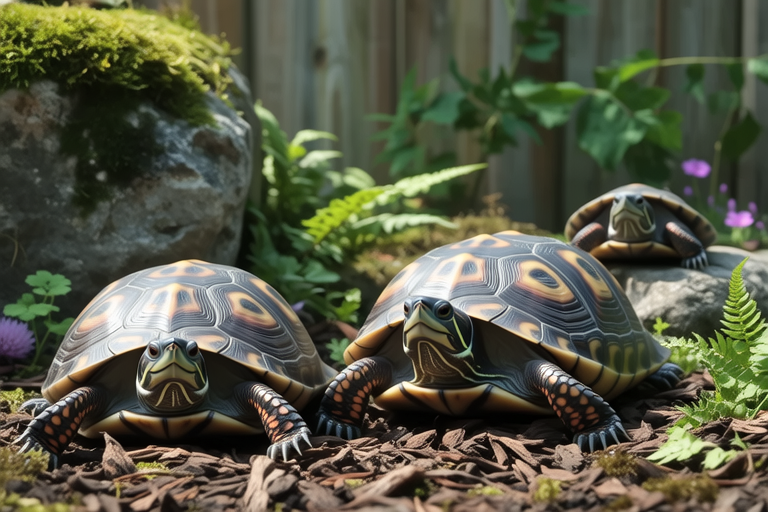
From Backyard to Home: How to Create the Perfect Habitat for Three-Striped Box Turtles
Welcome to the world of three-striped box turtles! These fascinating creatures, native to parts of North America, are known for their striking appearance and unique behavior. Whether you’re a novice or an experienced turtle owner, creating the perfect habitat for these turtles is crucial for their health and happiness. This guide will walk you through everything you need to know about setting up the ideal environment for your three-striped box turtles.
Understanding the Natural Habitat of Three-Striped Box Turtles
To create a habitat that mimics their natural environment, it’s important to understand where three-striped box turtles live in the wild. These turtles are typically found in moist woodlands, meadows, and marshy areas with dense vegetation. They prefer areas with plenty of hiding spots and access to water. In the wild, they can often be seen basking in the sun, but they also spend considerable time in the shade, especially during hot summer days.
Their natural diet consists of a variety of plants, insects, and small animals. They are omnivores, meaning they eat both plant and animal matter. Understanding these aspects of their natural habitat will help you replicate it in your backyard or home setting.
Essential Elements for Their Enclosure
Size of the Enclosure
The size of the enclosure is one of the most critical factors in ensuring your three-striped box turtles have enough space to thrive. A minimum of 4 square feet per turtle is recommended for indoor enclosures. For outdoor enclosures, at least 16 square feet per turtle is advised. Larger spaces allow them to move around freely, exercise, and explore their surroundings, which is essential for their physical and mental well-being.
Substrate
The substrate, or bedding material, is another crucial element of the enclosure. It should provide a comfortable surface for the turtles to walk on and burrow in. Cypress mulch, coconut fiber, and reptile-safe soil are all excellent choices. Avoid using pine or cedar shavings, as these can be harmful to turtles due to their aromatic oils.
Temperature and Humidity Requirements
Maintaining the correct temperature and humidity levels is vital for the health of your three-striped box turtles. The ambient temperature of the enclosure should range between 75 and 85 degrees Fahrenheit during the day, with a basking spot reaching 90 to 95 degrees Fahrenheit. At night, temperatures can drop slightly, but should not fall below 70 degrees Fahrenheit.
Humidity levels should be kept between 60% and 80%. You can achieve this by misting the enclosure daily and providing a shallow water dish. Some owners also use humidifiers or foggers to maintain optimal humidity levels.
Appropriate Lighting and Heating Solutions
Proper lighting is essential for the health of your three-striped box turtles. Full-spectrum UVB lighting is necessary for calcium metabolism and overall health. Place the UVB light above the basking area so that the turtles can bask under it. Make sure the light is positioned correctly and replace it every six months, even if it still appears to be working, as UVB output diminishes over time.
In addition to UVB lighting, full-spectrum fluorescent lights should be provided to simulate daylight and help regulate the turtle’s circadian rhythms. These lights should be on for 12 to 14 hours per day. Alongside the lighting, heat lamps or ceramic heat emitters can be used to provide the necessary warmth for basking areas.
Suitable Food and Water Provisions
Feeding your three-striped box turtles a balanced diet is key to their health. A varied diet that includes vegetables, fruits, insects, and occasional lean meats is ideal. Offer a mix of leafy greens like collard greens, dandelion greens, and mustard greens, along with fruits such as strawberries, blueberries, and melons. Insects such as crickets, mealworms, and earthworms should also be part of their diet. Feed them commercially available turtle pellets or prepared diets as supplements.
Always provide fresh water in a shallow dish. The water should be changed daily to ensure cleanliness and hygiene. Additionally, misting the enclosure regularly will help maintain the required humidity levels and provide a source of hydration.
Enrichment Activities to Mimic Their Natural Environment
Providing enrichment activities can help keep your three-striped box turtles mentally stimulated and physically active. Incorporate items such as logs, rocks, and plants to create hiding spots and climbing structures. These additions not only enhance the aesthetics of the enclosure but also offer opportunities for exploration and play.
Rotating toys and rearranging the enclosure periodically can prevent boredom and encourage natural behaviors. Consider adding floating objects in the water dish to stimulate interest and activity. These enrichments can greatly improve the quality of life for your turtles.
Safety Measures to Prevent Escapes or Injuries
Ensuring the safety of your three-striped box turtles is paramount. Secure the enclosure with a tight-fitting lid or mesh cover to prevent escapes. Check for any gaps or weak points where the turtles might squeeze out. Regularly inspect the enclosure for potential hazards, such as sharp edges or toxic plants.
Provide smooth surfaces and soft substrates to minimize the risk of injuries. Avoid placing heavy objects that could accidentally fall onto the turtles. Supervise young children and other pets when they are near the enclosure to prevent accidents.
Tips for Integrating New Turtles into an Existing Habitat
Introducing a new turtle to an established group requires careful planning and gradual introduction. Start by quarantining the new turtle for at least two weeks to monitor its health and ensure it doesn’t introduce any diseases. Once you’re confident the new turtle is healthy, gradually introduce it to the enclosure by placing it in a separate section with its own food and water sources.
Allow the turtles to acclimate to each other’s presence over several days before fully integrating them. Monitor their interactions closely for signs of aggression or stress. If conflicts arise, separate the turtles and try again after a few days. Patience and vigilance are key when integrating new members into an existing habitat.
In conclusion, creating the perfect habitat for your three-striped box turtles involves replicating their natural environment as closely as possible. By understanding their needs and providing the right conditions, you can ensure your turtles lead healthy, happy lives. Remember to regularly monitor and adjust the enclosure as needed, and always prioritize the well-being of your turtles.
