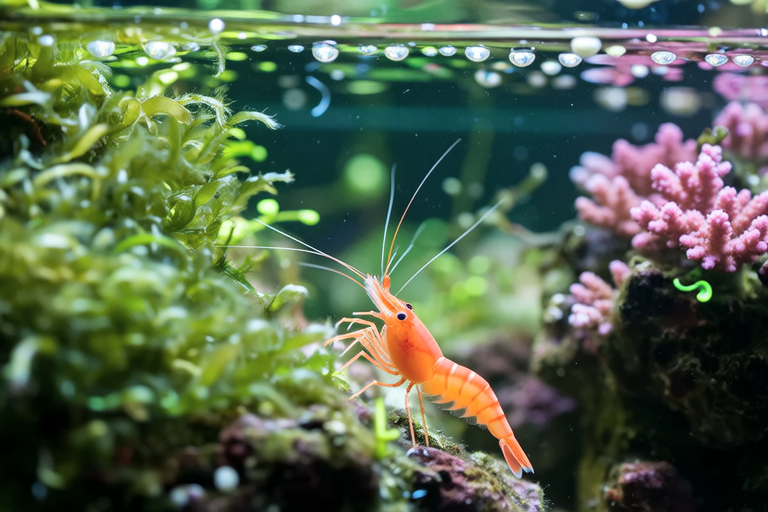
How to Set Up the Perfect Tank for Your Coral Shrimp
Welcome to your comprehensive guide on how to set up the perfect tank for your coral shrimp. Whether you’re a beginner or an experienced aquarist, this guide will help you create a thriving environment for these fascinating creatures. Follow these steps to ensure that your coral shrimp live long, healthy lives.
Essential Tank Specifications
The first step in setting up a tank for your coral shrimp is to choose the right size and type of aquarium. Coral shrimp prefer a spacious environment with plenty of hiding spots and open swimming areas. A minimum tank size of 20 gallons (75 liters) is recommended for a small group of coral shrimp. However, larger tanks provide more stability and are easier to maintain. A tank of at least 40 gallons (150 liters) is ideal for a larger group of shrimp or if you plan to add other species.
Choose a tank with a good shape and dimensions. Tall, narrow tanks may not be suitable as they can limit swimming space and increase the surface area-to-volume ratio, leading to higher evaporation rates. Opt for a tank with a more rectangular shape to maximize usable space.
Filtration System Recommendations
A proper filtration system is crucial for maintaining water quality and ensuring the health of your coral shrimp. The filtration system should be capable of handling the bioload of your tank while providing adequate biological, mechanical, and chemical filtration.
Biological Filtration: This is essential for breaking down harmful ammonia and nitrite into less toxic nitrate. Use a high-quality biological filter media such as ceramic rings, bio balls, or sponge filters. These materials provide a large surface area for beneficial bacteria to colonize.
Mechanical Filtration: Mechanical filtration helps remove debris and uneaten food from the water column. Use a fine-pore sponge filter or a pre-filter sponge to trap particles before they enter the main filter chamber.
Chemical Filtration: Chemical filtration removes dissolved organic compounds and other pollutants. Activated carbon is a popular choice for chemical filtration. Replace the carbon every two to four weeks to maintain its effectiveness.
Consider using a combination of internal and external filters. Internal filters are space-saving and can be placed directly in the tank, while external filters offer better flow rates and can handle larger tanks. Choose a filter that provides a turnover rate of at least 6-8 times the volume of the tank per hour.
Water Parameters
Maintaining optimal water parameters is vital for the health and well-being of your coral shrimp. Regular testing and monitoring are necessary to ensure stable conditions. Here are the ideal water parameters for coral shrimp:
- pH: 7.8-8.4
- Temperature: 72-78°F (22-26°C)
- Ammonia: 0 ppm
- Nitrite: 0 ppm
- Nitrate: Below 20 ppm
- Salinity: 1.020-1.025 specific gravity
- Alkalinity: 8-12 dKH
- Calcium: 350-450 ppm
- Magnesium: 1250-1350 ppm
Test your water regularly using reliable test kits. Make adjustments as needed to keep the parameters within the recommended ranges. Perform partial water changes of about 10-20% weekly to maintain water quality.
Lighting Requirements
Proper lighting is essential for the health and coloration of coral shrimp. Coral shrimp are sensitive to light intensity and duration, so it’s important to provide them with a consistent photoperiod and appropriate lighting spectrum.
Photoperiod: Provide a consistent day/night cycle of 10-12 hours of light followed by 12-14 hours of darkness. This mimics natural conditions and helps regulate their circadian rhythms.
Lighting Spectrum: Use a full-spectrum LED or T5HO light fixture that provides both actinic and daylight spectrum. Actinic light (blue) encourages photosynthesis in symbiotic algae, while daylight spectrum (white) enhances coloration. Look for bulbs labeled as “marine reef” or “coral-friendly.”
Light Intensity: Start with moderate light intensity and gradually increase it over time. Too much light can stress the shrimp, while insufficient light may hinder their growth and coloration. Aim for 10,000-15,000 lux at the tank bottom.
Substrate and Decoration Tips
The substrate and decorations in your tank play a significant role in creating a natural and enriching environment for your coral shrimp. Choose substrates and decorations that mimic their natural habitat and provide ample hiding spots and enrichment.
Substrate: Use a fine-grained sand or crushed coral substrate. Fine sand is preferred for coral shrimp as it allows them to burrow and forage. Crushed coral provides calcium and increases alkalinity, which is beneficial for their health. Avoid sharp-edged substrates that could injure the shrimp.
Decorations: Incorporate rocks, caves, and driftwood to create hiding spots and enrich the tank environment. Arrange the decorations in a way that provides multiple levels and pathways for the shrimp to explore. Leave some open swimming areas to allow for movement and exercise.
Live Rock: Adding live rock is highly recommended as it provides additional hiding spots, encourages beneficial bacteria growth, and creates a more stable ecosystem. Live rock also supports a diverse community of microorganisms, including algae and invertebrates, which can serve as supplementary food sources for the shrimp.
Feeding Guidelines
Proper nutrition is key to keeping your coral shrimp healthy and vibrant. Coral shrimp are omnivorous, meaning they eat both plant-based and animal-based foods. Provide a varied diet to ensure they receive all the necessary nutrients.
Plant-Based Foods: Offer algae wafers, spirulina flakes, nori sheets, and other vegetable-based foods. These items provide essential vitamins and minerals. Feed sparingly to avoid overfeeding, as excess food can lead to water quality issues.
Animal-Based Foods: Supplement their diet with brine shrimp, mysis shrimp, and other small, meaty foods. These foods provide protein and fats necessary for growth and reproduction. You can also use frozen or freeze-dried versions of these foods.
Frequency: Feed your coral shrimp once or twice daily, offering only what they can consume within a few minutes. Overfeeding can lead to poor water quality and health problems. Monitor their eating habits and adjust the amount accordingly.
Quarantine Procedures
Quarantining new shrimp before introducing them to your main tank is essential to prevent the spread of diseases and parasites. Quarantine also allows the shrimp to acclimate to their new environment without stress.
Quarantine Setup: Set up a separate quarantine tank of at least 10 gallons (38 liters). Equip it with a heater, thermometer, filter, and lighting. Use a sponge filter to minimize the risk of introducing pathogens. Maintain the same water parameters as your main tank.
Acclimation: Gradually acclimate new shrimp to the quarantine tank over a period of 30-60 minutes. Float the bag containing the shrimp in the quarantine tank to equalize the temperature. Afterward, slowly add small amounts of quarantine tank water to the bag every 10 minutes. Once the bag contains mostly quarantine tank water, gently release the shrimp into the tank.
Monitoring: Observe the shrimp closely during the quarantine period. Look for signs of illness, such as lethargy, abnormal behavior, or physical abnormalities. Treat any identified issues promptly with appropriate medications. After a successful quarantine, introduce the shrimp to your main tank gradually to prevent shock.
Conclusion
Setting up the perfect tank for your coral shrimp requires careful planning and attention to detail. By following the steps outlined in this guide, you can create a thriving environment that meets their needs and promotes their well-being. Remember to provide the right tank size, filtration system, water parameters, lighting, substrate, decorations, feeding regimen, and quarantine procedures. With proper care and maintenance, your coral shrimp will thrive and bring joy to your aquarium for years to come.
