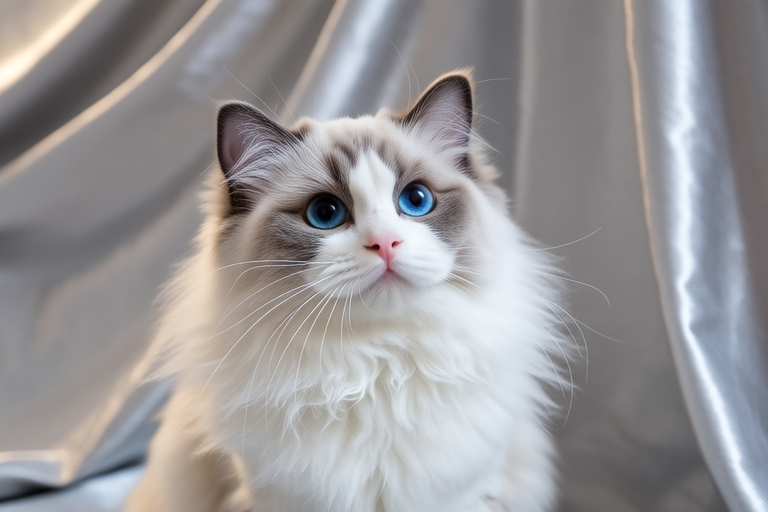
Unveiling the Mystique of Ragdolls: Gentle Giants of the Feline Kingdom
In the vast realm of feline breeds, few capture the hearts of pet lovers quite like the Ragdoll. Known for their striking appearance and gentle demeanor, these cats have earned a reputation as the “gentle giants” of the feline kingdom. With their large size, soft fur, and docile nature, Ragdolls are often considered ideal companions for families and individuals alike. This article delves into the unique characteristics, history, and care requirements of these beloved creatures, providing a comprehensive guide for both current and prospective owners.
The Unique Characteristics of Ragdolls
Ragdolls are renowned for their exceptional gentleness, which is perhaps their most defining trait. When picked up, these cats often go limp, much like a rag doll, hence their name. This characteristic has made them a favorite among those seeking a laid-back, affectionate pet. Their large size, typically weighing between 10 to 20 pounds, adds to their impressive presence. Ragdolls are not just large; they are also incredibly muscular, giving them a robust and sturdy build that contrasts with their docile personalities.
A Glimpse into History and Origin
The origins of the Ragdoll breed can be traced back to the 1960s in California, where Ann Baker, a breeder, developed the first Ragdolls. Legend has it that a neighbor’s stray white cat, named Josephine, was involved in an accident that led to her transformation into a more docile and affectionate creature. Baker believed that this accident resulted in genetic changes that she capitalized on to create the Ragdoll breed. She meticulously bred Josephine with other cats, eventually producing the distinctive traits associated with the Ragdoll today.
Despite the intriguing story, there is no scientific evidence supporting the claim of genetic mutation. However, what is certain is that Baker’s breeding efforts led to the development of a breed that is now recognized and cherished worldwide. The breed gained official recognition from major cat registries, including the Cat Fanciers’ Association (CFA), in the 1970s and 1980s.
The Temperament of Ragdolls
One of the most appealing aspects of Ragdolls is their temperament. They are known for being highly social and affectionate, often seeking out human companionship. These cats are particularly fond of being held and carried around, enjoying the closeness that comes with physical contact. Their placid nature makes them excellent companions for children and other pets, provided they are introduced properly. Ragdolls tend to be less active than some other breeds, preferring to lounge around and engage in quiet play. This calm demeanor also means they are well-suited for apartment living.
Ragdolls are not just passive pets; they are intelligent and can learn tricks easily. Many owners report that their Ragdolls can be trained to come when called, sit on command, or even fetch toys. Their curiosity and desire to please make them engaging and fun to interact with. Additionally, Ragdolls are known for their patience, rarely showing signs of aggression or stress, which makes them ideal for households with multiple pets or children.
Physical Attributes
Physically, Ragdolls are a sight to behold. They possess a semi-long coat that is silky and plush, requiring regular grooming to maintain its lustrous appearance. Their coats come in various colors and patterns, including seal, blue, chocolate, lilac, and cream, with points that contrast sharply against their lighter bodies. The classic colorpoint pattern is perhaps the most iconic, but mitted and bicolor patterns are also popular. Ragdolls have a broad head with a slightly rounded forehead, large, expressive blue eyes, and a long, tapering tail.
One of the most distinctive features of Ragdolls is their large, muscular body. Males, in particular, can reach impressive sizes, with some growing as large as domesticated dogs. Their muscular build is complemented by a stocky frame and short legs, giving them a sturdy appearance. Ragdolls have a soft, padded feel to them, and their overall structure contributes to their gentle nature. Despite their large size, they are surprisingly agile and can leap to high places with ease, showcasing their athleticism.
Care Requirements
Proper care is essential for maintaining the health and happiness of your Ragdoll. Regular grooming is necessary to keep their coat free from mats and tangles, especially during shedding seasons. A weekly brushing session is recommended to prevent hairballs and ensure their coat remains shiny and healthy. Bathing may also be required occasionally, particularly if the cat spends time outdoors or gets dirty.
Feeding your Ragdoll a balanced diet is crucial. High-quality cat food that meets their nutritional needs will help them maintain their muscle mass and overall health. Fresh water should always be available, and it is important to monitor their weight to avoid obesity, which can lead to health problems. Regular veterinary check-ups are also vital, allowing early detection and treatment of any potential health issues.
Common Health Issues
Like all breeds, Ragdolls are prone to certain health issues. Hypertrophic cardiomyopathy (HCM) is one of the most serious conditions affecting the breed. It is a heart disease characterized by thickening of the heart muscle, which can lead to heart failure. Regular veterinary visits and cardiac screenings can help detect HCM early, improving the chances of successful management.
Another common issue is urinary tract infections (UTIs). These can be caused by various factors, including diet, stress, or environmental changes. Ensuring your Ragdoll has access to clean water and a litter box in a quiet location can help reduce the risk of UTIs. If you notice symptoms such as frequent urination, straining, or blood in the urine, consult your veterinarian immediately.
Dental disease is another concern for Ragdolls. Tartar buildup can lead to gum inflammation and tooth decay. Regular dental care, including brushing your cat’s teeth and providing dental treats, can help maintain oral health. Professional dental cleanings may also be necessary, especially as your Ragdoll ages.
The Appeal of Ragdolls
Ragdolls are cherished by cat enthusiasts worldwide for their unique combination of beauty, intelligence, and affection. Their gentle nature and willingness to bond with their owners make them ideal companions for those seeking a close relationship with their pet. Many owners report that their Ragdolls have become integral parts of their family, providing comfort and joy.
Studies have shown that owning a pet, particularly a cat, can have numerous health benefits, including reduced stress levels and lower blood pressure. The calming presence of a Ragdoll can provide emotional support, making them especially valuable for individuals who live alone or suffer from anxiety. Anecdotes from owners often highlight the therapeutic effects of having a Ragdoll in their lives, with many reporting improved mental health and a greater sense of well-being.
In conclusion, Ragdolls are more than just beautiful cats; they are loving companions that bring joy and comfort to their owners. Their gentle nature, coupled with their striking appearance, makes them a standout breed in the world of felines. Whether you’re a seasoned cat owner or considering adopting your first pet, a Ragdoll could be the perfect addition to your home. With proper care and attention, these gentle giants will reward you with years of love and loyalty.
