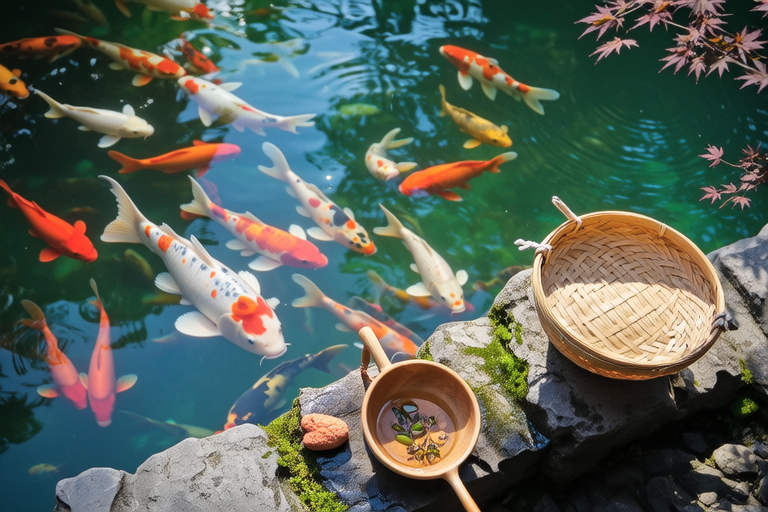
Koi Keeper’s Delight: Top Tips for Keeping Your Water Garden Thriving
Welcome to the world of koi keeping! Whether you’re a beginner or an experienced enthusiast, maintaining a thriving water garden requires dedication and knowledge. This comprehensive guide offers essential advice on water quality, plant selection, proper feeding, algae management, and creating a balanced ecosystem. Let’s dive into the art of koi keeping and ensure your water garden remains vibrant and healthy all year round.
Understanding Water Quality: The Foundation of a Healthy Koi Pond
The first step in keeping your koi pond thriving is ensuring optimal water quality. Clean, oxygen-rich water is crucial for the health and longevity of your koi. Start by installing a reliable filtration system that can handle the volume of your pond. Regularly clean the filters and replace the media as needed. Additionally, maintain a consistent pH level between 6.8 and 8.0, which is ideal for koi health. Use test kits to monitor pH, ammonia, nitrite, and nitrate levels, and adjust accordingly. Aeration devices, such as waterfalls or fountains, also help increase oxygen levels in the water, promoting a healthier environment for your koi.
Selecting Appropriate Plants: Enhancing Beauty and Functionality
Incorporating aquatic plants into your pond not only adds aesthetic appeal but also provides numerous benefits for your koi. Plants like water lilies, lotus, and cabomba offer shade, reducing water temperature and UV exposure, while also filtering out toxins and excess nutrients from the water. Submerged plants, such as hornwort and anacharis, oxygenate the water and provide hiding spots for koi. Floating plants, like water hyacinth and duckweed, can help control algae growth by blocking sunlight. Choose a variety of plants to create a balanced ecosystem that supports both the visual appeal and the biological health of your pond.
Feeding Koi Fish Correctly: Balancing Nutrition and Health
Proper nutrition is vital for the well-being of your koi. Feed your fish a high-quality diet that contains at least 30% protein. Opt for sinking pellets designed specifically for koi, as they encourage natural foraging behavior and reduce waste floating on the water surface. Avoid overfeeding, as excess food can lead to poor water quality and increased algae growth. Feed your koi according to their activity level; during colder months, when koi are less active, reduce feeding frequency. Always remove uneaten food after 10 minutes to prevent contamination of the pond water.
Managing Algae Growth: Maintaining Crystal-Clear Water
Algae can be a persistent challenge in koi ponds, but there are effective strategies to manage its growth. First, ensure your pond has adequate shade to limit sunlight penetration, which fuels algae growth. Incorporate algae-eating fish, such as plecos or shubunkins, to naturally control algae populations. Additionally, introduce beneficial bacteria into the water to break down organic matter and compete with algae for nutrients. Consider using ultraviolet (UV) sterilizers to eliminate free-floating algae. Lastly, regular water changes and mechanical filtration can help maintain crystal-clear water by removing excess nutrients that promote algae proliferation.
Creating a Healthy Ecosystem: Balance and Harmony
A thriving koi pond is a delicate balance of various elements working together harmoniously. In addition to the components mentioned above, consider introducing live foods, such as black worms or daphnia, to supplement your koi’s diet and provide enrichment. Ensure the pond has enough depth to accommodate koi throughout the year, especially in colder climates where deeper areas provide winter refuge. Regular maintenance, including cleaning debris from the bottom of the pond and trimming plants, helps maintain this balance. By fostering an ecosystem rich in biodiversity, you create a sustainable and resilient environment for your koi.
Seasonal Care: Adapting to Changing Conditions
Seasonal changes present unique challenges for koi keepers. In spring, conduct a thorough cleaning of the pond, including filter systems and pumps, to prepare for warmer temperatures and increased activity. As summer approaches, monitor water temperature closely, as high temperatures can stress koi. Adjust feeding schedules based on water temperature, increasing feedings when temperatures are optimal for digestion. Fall brings cooler weather, signaling a reduction in koi activity. Gradually decrease feeding amounts and frequency as temperatures drop. Winter requires special attention, particularly in colder regions. Ensure your pond has adequate depth for koi to survive freezing conditions. Consider using pond heaters or aerators to maintain a stable environment.
Practical Tips for Beginners and Advanced Koi Keepers
For beginners, start small and gradually expand your pond as you gain experience. Focus on understanding basic water chemistry and establishing a routine for maintenance tasks. Advanced koi keepers can explore more complex aspects of pond management, such as breeding programs or specialized diets. Both groups benefit from joining local koi clubs or online communities, where sharing experiences and learning from others can greatly enhance your skills and enjoyment.
Conclusion: Embrace the Joy of Koi Keeping
Keeping a thriving water garden filled with beautiful koi is a rewarding endeavor that combines artistry, science, and nature. By focusing on water quality, plant selection, proper feeding, algae management, and creating a balanced ecosystem, you can ensure your koi pond remains a delightful oasis throughout the seasons. Remember, regular maintenance and seasonal care are key to sustaining a healthy and vibrant environment for your koi. Embrace the joy of koi keeping and enjoy the serene beauty it brings to your home.
