How Clownfish Thrive in the Wild and Can Adapt as Pets
Clownfish, scientifically known as Amphiprioninae, are a popular choice for both marine enthusiasts and casual aquarium owners due to their vibrant colors and engaging behavior. These small, colorful fish are well-known for their symbiotic relationship with sea anemones, a partnership that has fascinated scientists and hobbyists alike. This article will explore the natural habitat and behaviors of clownfish in the wild, focusing on their symbiotic relationship with sea anemones, their diet, reproduction methods, and how environmental factors influence their survival in the ocean. We will then transition to discussing the considerations for keeping clownfish as pets, including tank setup requirements, water conditions, compatible tank mates, and suitable diet. Finally, we will conclude with tips for maintaining the health and happiness of clownfish in a home aquarium setting, emphasizing the responsibilities of pet owners.
Natural Habitat and Behaviors of Clownfish in the Wild
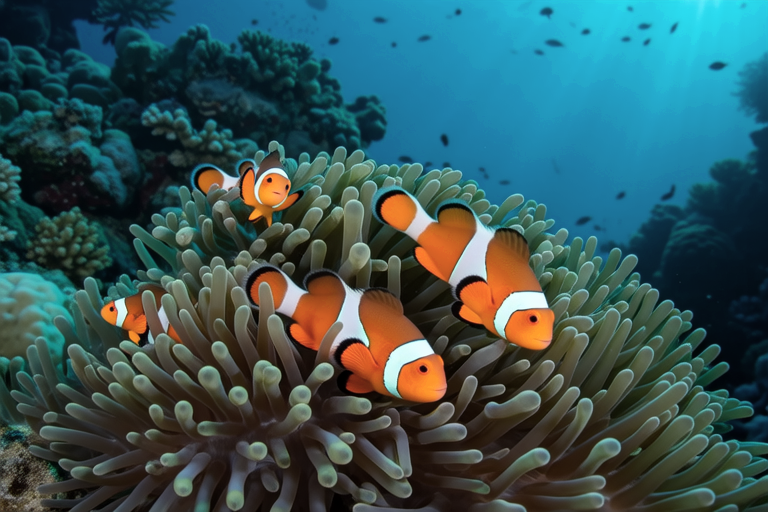
Clownfish are native to the tropical waters of the Indian and Pacific Oceans, where they live in close association with sea anemones. These anemones provide protection from predators and offer a safe place for the clownfish to lay their eggs. In return, the clownfish help the anemone by attracting prey with their bright colors and by removing parasites. This mutually beneficial relationship is a classic example of symbiosis in nature.
Clownfish are highly territorial and can be aggressive towards other fish that enter their territory. They often form small groups, with a dominant female and one or two males. The rest of the group consists of non-reproductive individuals. When the dominant female dies, the largest male in the group transforms into a female and takes over her role. This unique ability to change sex is called sequential hermaphroditism.
Clownfish are omnivorous, feeding on algae, zooplankton, and small crustaceans. They play an important role in their ecosystem by helping to maintain the balance between predator and prey populations. Their diet also helps them stay healthy and strong, enabling them to defend themselves against potential threats.
Environmental factors such as water temperature, salinity, and pH levels can significantly impact the survival of clownfish in the wild. Changes in these factors can lead to stress, disease, and even death. For example, rising ocean temperatures due to climate change can cause coral bleaching, which affects the health of sea anemones and, consequently, the clownfish that rely on them for protection.
Considerations for Keeping Clownfish as Pets
Keeping clownfish as pets requires careful consideration of several factors, including tank setup, water conditions, compatible tank mates, and suitable diet. A properly set up tank can provide a comfortable environment for clownfish to thrive in captivity.
The first step in setting up a tank for clownfish is to choose the right size. Clownfish require at least 30 gallons of water to swim freely and establish their territory. The tank should have plenty of hiding places, such as rocks, caves, and plants, to provide shelter and reduce stress. A heater is essential to maintain a stable water temperature between 76-82°F (24-28°C), as clownfish are sensitive to temperature fluctuations.
Water quality is crucial for the health of clownfish. Regular water changes and filtration are necessary to remove waste products and maintain optimal water conditions. The pH level should be kept between 8.1-8.4, and the salinity should be around 1.020-1.025 specific gravity. Testing kits are available to monitor these parameters and ensure they remain within the desired range.
When choosing tank mates for clownfish, it’s important to select species that won’t bully or compete for resources. Small, peaceful fish such as cardinal tetras, blennies, and gobies are good choices. However, it’s best to avoid larger, more aggressive species like triggerfish and lionfish, as they may pose a threat to the clownfish. It’s also advisable to introduce only one pair or group of clownfish to a tank, as multiple pairs may fight over territory.
Feeding clownfish in captivity requires a balanced diet that mimics their natural diet as closely as possible. High-quality flake food, frozen foods like brine shrimp and mysis shrimp, and fresh vegetables such as spirulina and nori are all suitable options. It’s important to feed clownfish twice a day, providing enough food for them to eat within a few minutes. Overfeeding can lead to poor water quality and health problems.
Tips for Maintaining the Health and Happiness of Clownfish in a Home Aquarium Setting
Maintaining the health and happiness of clownfish in a home aquarium setting requires regular monitoring and care. Here are some tips to ensure your clownfish thrive:
- Regular Water Changes: Perform partial water changes every week to remove toxins and maintain water quality.
- Monitor Water Parameters: Test the water regularly for pH, ammonia, nitrite, and nitrate levels to ensure they remain within the desired range.
- Provide Hiding Places: Offer plenty of hiding spots to reduce stress and promote natural behavior.
- Feed a Balanced Diet: Provide a variety of high-quality foods to meet the nutritional needs of your clownfish.
- Watch for Signs of Stress: Look out for signs of stress, such as hiding, darting, or refusing to eat, and address any issues promptly.
- Introduce New Fish Gradually: When adding new fish to the tank, do so gradually to allow them to acclimate to their new environment.
By following these tips, you can create a thriving environment for your clownfish and enjoy their vibrant colors and engaging behavior for years to come. Remember that owning a pet, whether a clownfish or any other animal, comes with responsibilities. It’s important to research thoroughly and be prepared to provide the necessary care and attention to ensure the well-being of your aquatic companions.
