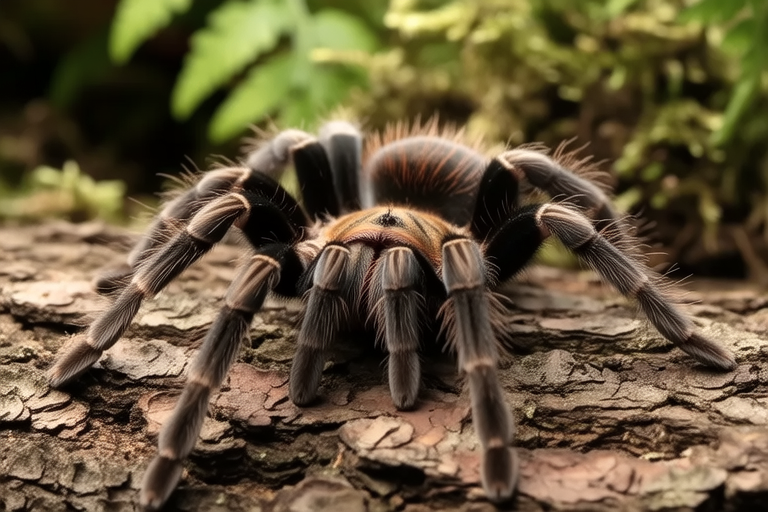
From Fear to Fascination: Why These Spiders Are Perfect Pets
Spiders evoke a wide range of emotions in people. For many, the mere sight of one can trigger an intense fear or disgust. However, there is a growing community of enthusiasts who find spiders captivating, not just intriguing, but also perfect as pets. This article aims to guide you through the transition from fear to fascination, exploring why certain spiders make excellent companions.
Understanding and Overcoming the Fear of Spiders
The fear of spiders, known as arachnophobia, is one of the most common phobias. It stems from a combination of factors including cultural influences, evolutionary history, and personal experiences. Movies and media often portray spiders as dangerous and aggressive, reinforcing these negative perceptions. In reality, the vast majority of spider species pose no threat to humans. By educating ourselves about spiders, we can begin to dispel these myths and reduce our fears.
One effective way to overcome arachnophobia is through gradual exposure. Start by observing spiders from a distance, perhaps through videos or photos. As you become more comfortable, consider visiting a zoo or aquarium where spiders are displayed in controlled environments. Eventually, you may feel ready to handle and care for spiders as pets, which can be an incredibly rewarding experience.
Why Spiders Make Great Pets
Once the fear subsides, spiders reveal themselves as fascinating creatures with unique behaviors and requirements. They require minimal space and attention, making them ideal for those with busy lifestyles or limited living spaces. Unlike many other pets, spiders do not need daily walks or constant interaction. Their care involves maintaining the right temperature and humidity levels, ensuring they have access to live prey, and providing a secure enclosure.
Spider ownership offers numerous benefits. It fosters a deeper appreciation for nature and encourages scientific curiosity. Caring for these eight-legged wonders can be an educational experience, teaching patience, responsibility, and respect for all living beings. Additionally, spiders can serve as a gateway to understanding broader ecological systems and the importance of biodiversity.
Suitable Species for Beginners
Choosing the right spider for your first pet is crucial. Some species are better suited for beginners due to their ease of care and docile nature. Among the top choices are:
- Pholcus phalangioides (Daddy Long Legs Spider): Known for its long legs and gentle demeanor, this species is easy to care for and requires minimal maintenance.
- Avicularia avicularia (Guyana Pinktoe Tarantula): A popular choice for beginners, this tarantula is relatively calm and can be handled with care.
- Grammostola rosea (Chilean Rose Hair Tarantula): Another beginner-friendly option, this species is hardy and adapts well to various environmental conditions.
These species are not only forgiving when it comes to mistakes in care but also offer a fascinating glimpse into the world of arachnids.
Care and Housing
Proper care is essential for the health and longevity of your spider. Each species has specific needs regarding temperature, humidity, and diet. For instance, tropical species like the Chilean Rose Hair Tarantula thrive in warm, humid environments, while desert species prefer drier conditions.
Adequate housing is equally important. Most spiders require a terrarium or tank equipped with a substrate, such as coconut fiber or bark chips, for burrowing. The enclosure should include hiding spots made from cork bark or artificial caves. Ensure the tank is escape-proof and provides ventilation to maintain proper air circulation.
Feeding spiders can be both simple and rewarding. Many species eat crickets, mealworms, or small roaches. Offer prey items that are appropriate for the size of your spider, and feed them every few days to a week depending on the species. Always remove uneaten prey after a day to prevent contamination.
Fascinating Behaviors
Observing the behaviors of your pet spider can be endlessly captivating. Many species exhibit interesting habits such as molting, where they shed their exoskeleton, or web-building, showcasing their architectural prowess. Some tarantulas display defensive behaviors like flicking urticating hairs or playing dead when threatened.
Many species also show signs of recognition and preference for their caretakers. With time and consistent handling, some spiders may even become accustomed to gentle interactions. These moments of connection can deepen the bond between owner and pet.
Tips for Handling and Safety
Handling spiders requires careful consideration and preparation. Always ensure your hands are clean and free of any scents that might attract the spider’s prey. Use tools like tongs or a net to gently move your spider, especially if it is skittish or new to handling.
Safety is paramount when interacting with spiders. While most species are harmless to humans, it is important to follow precautions. Avoid handling spiders that are molting or recently fed, as they may be more prone to defensive reactions. Always supervise children around spiders and teach them the importance of gentle handling.
The Rewarding Aspects of Spider Ownership
Ownership of spiders can be a deeply rewarding experience. Watching your pet grow and thrive under your care is incredibly fulfilling. The sense of accomplishment in successfully caring for a creature that once inspired fear is profound. Moreover, sharing your passion with others can help spread awareness and appreciation for these often misunderstood animals.
Engaging in the spider-keeping community can also enhance your experience. Join forums, attend meetups, or participate in local events to connect with fellow enthusiasts. Sharing knowledge and experiences can enrich your understanding of spiders and improve your skills as a caretaker.
Conclusion: Embracing Spiders as Pets
From fear to fascination, the journey of becoming a spider owner is one of discovery and growth. By educating ourselves about these creatures, we can overcome our fears and appreciate the beauty and complexity of spiders. Whether you choose a gentle Daddy Long Legs Spider or a majestic tarantula, owning a spider can be a rewarding and enlightening experience.
We encourage potential owners to take the first step towards embracing these fascinating creatures. With the right knowledge, care, and respect, spiders can become beloved and cherished pets. Let us celebrate the diversity of life and the joy that comes from understanding and appreciating all forms of it.
