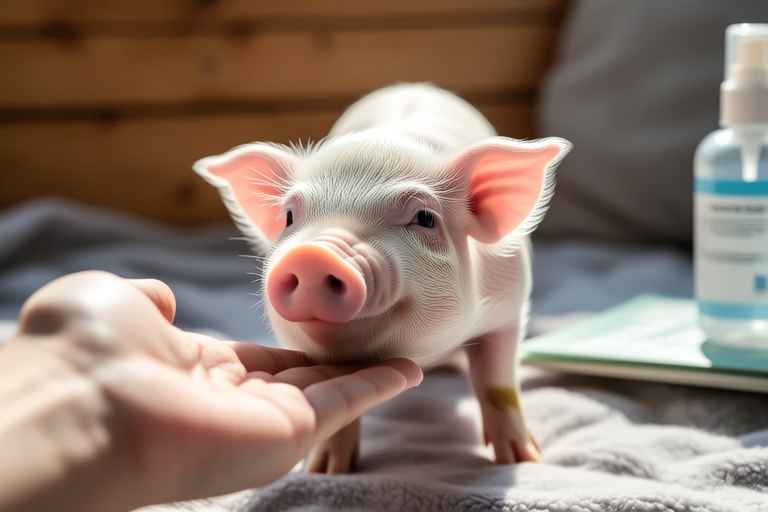
Tiny Tails, Big Hearts: Caring for Your Mini Pig Like a Pro
Welcome to the world of mini pigs! These unique pets have captured the hearts of many pet lovers with their intelligence and sociable nature. Despite their small size, mini pigs require thoughtful care and attention to thrive. This guide will walk you through everything you need to know about caring for your mini pig like a pro.
Understanding Mini Pigs: Intelligence and Sociability
Mini pigs are not just adorable; they are highly intelligent creatures that can form strong bonds with their human companions. They are curious, social, and enjoy interacting with people and other animals. Their intelligence means they can be trained to perform various tasks and tricks, making them not only delightful companions but also capable learners. However, their sociability also requires owners to provide ample attention and mental stimulation to prevent boredom and potential behavioral issues.
Dietary Needs: Balanced Nutrition and Common Feeding Mistakes
Proper nutrition is crucial for the health and longevity of your mini pig. A balanced diet should include high-quality pig-specific pellets, fresh vegetables, fruits, and limited amounts of hay. Avoid feeding them table scraps or excessive amounts of fruits and grains, as these can lead to obesity and other health problems. Mini pigs are prone to overeating, so portion control is key. Always consult with a veterinarian to tailor the diet to your pig’s specific age, weight, and activity level.
Common Feeding Mistakes to Avoid
- Overfeeding: Mini pigs are susceptible to becoming overweight, which can lead to joint problems and heart disease. Be mindful of portion sizes.
- Feeding Human Food: Foods like chocolate, avocados, and onions are toxic to pigs. Stick to pig-safe options.
- Lack of Variety: Offering a variety of foods helps ensure your pig gets all necessary nutrients.
Proper Housing: Space and Environmental Enrichment
Creating a comfortable and stimulating environment is essential for your mini pig’s well-being. Mini pigs need plenty of space to move around, play, and explore. A spacious pen or indoor area with a secure outdoor run provides opportunities for exercise and exploration. Ensure the living space is safe, free from hazards, and includes areas for resting, playing, and eating. Environmental enrichment, such as toys, tunnels, and foraging activities, keeps your pig mentally stimulated and prevents boredom.
Ensuring Adequate Space
Mini pigs need room to roam and stretch out. A good rule of thumb is to provide at least 4 square meters of living space per pig. For indoor setups, consider using baby gates or pet barriers to create a safe, enclosed area. Outdoor runs should be securely fenced and protected from predators.
Grooming Requirements: Nail Trimming, Teeth Care, and Skin Health Maintenance
Grooming is an important aspect of caring for your mini pig. Regular nail trimming is necessary to prevent overgrowth, which can cause discomfort and difficulty walking. Use appropriate tools designed for pigs, and always trim nails when they are short to avoid cutting into the quick, which can cause bleeding and pain.
Tooth Care
Mini pigs’ teeth grow continuously, and regular dental checks are vital. Overgrown teeth can cause pain and difficulty eating. Have your vet regularly examine and file down any overgrown teeth. Providing chew toys can help keep teeth worn down naturally.
Skin Health Maintenance
Maintaining your pig’s skin health involves regular cleaning and checking for signs of irritation or infection. Bathing should be done sparingly, typically once every few months, using a mild, pH-balanced shampoo. After bathing, ensure your pig is completely dry to prevent skin infections. Regular brushing can help distribute natural oils and keep the coat healthy.
Training and Exercising: Mental Stimulation and Physical Activity
Training and exercising your mini pig are essential for their physical and mental health. Training sessions should focus on positive reinforcement techniques, using treats and praise to encourage desired behaviors. Basic commands like ‘sit,’ ‘stay,’ and ‘come’ can be taught with patience and consistency.
Mental Stimulation
Providing mental challenges, such as puzzle feeders or interactive toys, keeps your pig engaged and prevents boredom. Rotate toys periodically to maintain interest and curiosity.
Physical Activity
Regular exercise is important for maintaining a healthy weight and preventing joint issues. Daily walks or playtime in a safe, enclosed area allow your pig to burn energy and stay fit. Exercise also helps reduce stress and anxiety, promoting overall well-being.
Healthcare: Regular Check-ups, Vaccinations, and Common Health Issues
Regular veterinary care is crucial for keeping your mini pig healthy. Schedule routine check-ups with a veterinarian experienced in treating pigs. These visits should include vaccinations against common diseases, parasite control, and screenings for potential health issues.
Vaccinations
Ensure your mini pig receives vaccinations recommended by your vet, including those for swine influenza and leptospirosis. Vaccination schedules may vary based on geographic location and individual risk factors.
Common Health Issues
Mini pigs are prone to certain health issues, such as obesity, dental problems, and respiratory infections. Early detection and treatment are key to managing these conditions effectively. Regular check-ups help identify potential issues before they become serious. Keep an eye out for signs of illness, such as lethargy, loss of appetite, or changes in behavior, and consult your vet promptly if you notice any concerning symptoms.
In conclusion, caring for a mini pig is a rewarding experience that requires commitment and knowledge. By understanding their unique needs and providing proper care, you can ensure your mini pig lives a happy, healthy life. Remember, with love, attention, and the right care, your tiny tail will bring big joy to your home.
