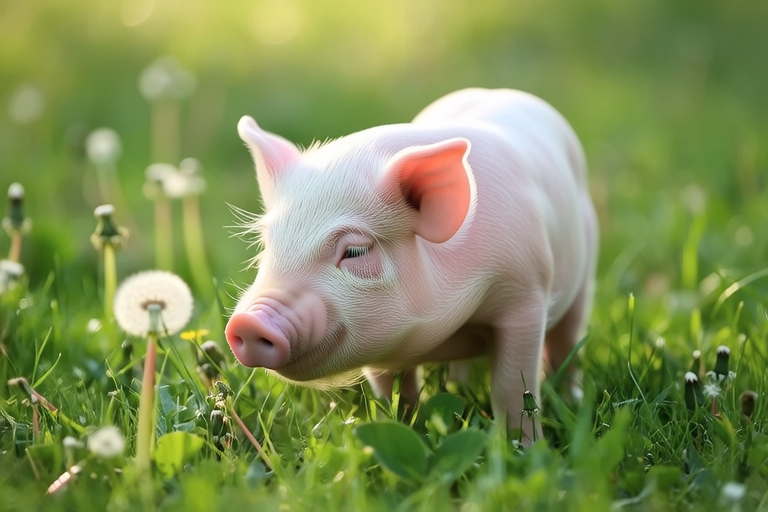
Exploring Mini Pigs: From Micro Breeds to Majestic Varieties
Mini pigs have captured the hearts of many pet lovers around the world with their cute appearance and friendly nature. However, there is much more to these animals than meets the eye. In this article, we will delve into the fascinating world of mini pigs, exploring their origins, unique characteristics, care requirements, and dispelling common myths. We’ll also discuss their intelligence, temperament, and dietary needs, providing examples of famous mini pigs and notable stories to engage readers.
The Origins of Mini Pigs
The domestic pig (Sus scrofa domesticus) has been around for thousands of years, with evidence of pig domestication dating back to approximately 9,000 years ago in Mesopotamia. Over time, different breeds of pigs have been developed for various purposes, including meat production, research, and companionship. Mini pigs, as we know them today, are a relatively recent development, originating from selective breeding programs that aimed to produce smaller versions of standard pigs.
One of the earliest known mini pig breeds is the Juliana pig, which was developed in Germany in the early 20th century. This breed is believed to be a cross between the wild boar and small farmyard pigs. Another popular mini pig breed is the Pot-bellied pig, which originated in Vietnam and was introduced to North America in the 1980s. These pigs were initially bred for meat production but quickly gained popularity as companion animals due to their manageable size and gentle demeanor.
Today, there are numerous breeds of mini pigs available, ranging from micro-sized breeds like the Kunekune, weighing less than 50 pounds, to larger varieties like the Gloucestershire Old Spots, which can weigh up to 400 pounds. Despite their size differences, all mini pigs share certain characteristics that make them unique and endearing.
Unique Characteristics of Mini Pigs
Mini pigs possess several distinctive features that set them apart from other animals. One of the most striking is their intelligence. Pigs are considered one of the smartest animals, rivaling dogs and primates in cognitive ability. They are capable of solving complex problems, learning new tasks, and even playing video games. Their intelligence makes them excellent companions for people who enjoy interactive activities and mental stimulation.
Another unique characteristic of mini pigs is their strong sense of smell. Pigs have over 2 billion olfactory receptors, making them highly sensitive to odors. This keen sense of smell has been harnessed for various purposes, including search and rescue operations, drug detection, and finding truffles. In addition to their impressive olfactory abilities, mini pigs are also known for their excellent hearing and vision, which help them navigate their environment and detect potential threats.
Despite their reputation for being dirty animals, mini pigs are actually quite clean creatures. They spend a significant amount of time grooming themselves and prefer to live in clean environments. In fact, some pig farmers report that their pigs are more hygienic than their own dogs. Mini pigs are also social animals that thrive in the company of others, whether it’s humans, other pigs, or even other species.
Care Requirements for Mini Pigs
While mini pigs may seem like low-maintenance pets, they require proper care and attention to ensure their health and happiness. One of the most important aspects of mini pig care is providing a suitable living space. Mini pigs need a large, secure enclosure with plenty of room to move around and explore. The enclosure should be well-ventilated, protected from extreme weather conditions, and equipped with comfortable bedding, such as straw or wood shavings.
In addition to a suitable living space, mini pigs require a balanced diet to maintain their health. A typical mini pig diet consists of high-quality commercial pig feed, fresh vegetables, fruits, and occasional treats. It’s important to avoid feeding mini pigs foods that are harmful to their health, such as chocolate, avocados, and excessive amounts of salt or sugar. Mini pigs should also have access to clean water at all times.
Regular exercise is another crucial aspect of mini pig care. Mini pigs are naturally active animals that require daily physical activity to stay healthy and prevent obesity. Providing toys, tunnels, and other enrichment items can help keep mini pigs mentally stimulated and physically active. Mini pigs should also receive regular veterinary check-ups to monitor their health and address any potential issues.
Dispelling Common Myths About Mini Pigs
Despite their growing popularity as companion animals, mini pigs are still misunderstood by many people. One of the most common myths about mini pigs is that they are easy to house train. While some mini pigs can be trained to use a litter box or outdoor potty area, this process requires patience, consistency, and positive reinforcement. House training a mini pig is similar to training a puppy, and it may take several weeks or months to achieve success.
Another myth about mini pigs is that they are hypoallergenic. While mini pigs may cause fewer allergic reactions than cats or dogs, they are not entirely hypoallergenic. Some people with allergies may still experience symptoms when exposed to mini pigs. If you or someone in your household has allergies, it’s important to consult an allergist before bringing a mini pig into your home.
Finally, some people believe that mini pigs are always small and manageable. While many mini pigs do remain relatively small throughout their lives, some breeds can grow to be quite large. It’s essential to research the specific breed of mini pig you’re interested in and understand its potential adult size. Mini pigs can range in weight from 50 to 400 pounds, so it’s crucial to prepare for the possibility of a larger animal.
Intelligence and Temperament of Mini Pigs
As mentioned earlier, mini pigs are incredibly intelligent animals that excel at problem-solving and learning new tasks. Their intelligence makes them excellent companions for people who enjoy interactive activities and mental stimulation. Mini pigs can be trained to perform various tricks, follow commands, and even participate in agility competitions. Their intelligence also allows them to form strong bonds with their human companions, making them loyal and devoted pets.
Mini pigs are generally gentle and affectionate animals, although their temperament can vary depending on individual personality and upbringing. Some mini pigs are shy and reserved, while others are outgoing and playful. Regardless of their individual temperament, mini pigs tend to be social animals that thrive in the company of others. They enjoy interacting with their human companions and may even seek out attention and affection.
Mini pigs are also known for their curiosity and adventurous spirit. They love to explore their surroundings and investigate new objects and experiences. This curiosity can sometimes lead to mischief, so it’s important to provide mini pigs with appropriate outlets for their energy and curiosity. Providing toys, tunnels, and other enrichment items can help keep mini pigs mentally stimulated and prevent boredom.
Dietary Needs of Mini Pigs
Proper nutrition is essential for maintaining the health and well-being of mini pigs. A balanced diet should include a combination of high-quality commercial pig feed, fresh vegetables, fruits, and occasional treats. Mini pigs should have access to clean water at all times and should be fed according to their age, weight, and activity level.
It’s important to avoid feeding mini pigs foods that are harmful to their health, such as chocolate, avocados, and excessive amounts of salt or sugar. Mini pigs should also be fed a diet that is appropriate for their age and activity level. Younger mini pigs require more calories and nutrients to support growth and development, while older mini pigs may need a lower-calorie diet to prevent obesity.
In addition to a balanced diet, mini pigs should also have access to fresh water at all times. Water is essential for maintaining proper hydration and supporting overall health. Mini pigs should have access to clean, fresh water in a sturdy bowl that is difficult for them to tip over. Water bowls should be cleaned and refilled regularly to prevent bacterial growth.
Famous Mini Pigs and Notable Stories
Mini pigs have appeared in various media outlets and have been featured in numerous books, movies, and television shows. One of the most famous mini pigs is Geraldine, a pot-bellied pig who starred alongside actor John Cleese in the film “A Fish Called Wanda.” Geraldine’s role in the film helped raise awareness of mini pigs as companion animals and demonstrated their intelligence and charm.
Another famous mini pig is Piglet, a character from the classic children’s book “Winnie-the-Pooh” by A.A. Milne. Piglet, despite his small size, is known for his bravery and loyalty, and his character has inspired countless fans around the world. The story of Piglet has been adapted into various forms of media, including animated films, television series, and stage productions.
Mini pigs have also played important roles in real-life stories. For example, a mini pig named Hamlet recently gained national attention for his remarkable intelligence and problem-solving skills. Hamlet was able to solve puzzles and complete tasks that stumped many other animals, including dogs and primates. His achievements demonstrate the incredible cognitive abilities of mini pigs and highlight their potential as working animals.
Conclusion
Mini pigs are fascinating animals with a rich history and unique characteristics. From their origins as selectively bred animals to their growing popularity as companion animals, mini pigs have captured the hearts of many pet lovers around the world. Understanding their intelligence, temperament, and dietary needs is essential for providing proper care and ensuring their health and happiness. By dispelling common myths and sharing stories of famous mini pigs, we hope to inspire readers to learn more about these amazing animals and consider adding one to their family.
