From Fluffy Ears to Fuzzy Tails: All You Need to Know About Lop Rabbits
Welcome to the world of lop rabbits, where fluffy ears and fuzzy tails meet charming personalities. These adorable creatures have captured the hearts of many, making them one of the most popular choices for pet owners. With their distinctive floppy ears, lop rabbits are not only visually appealing but also gentle and affectionate, perfect companions for families and individuals alike.
The Unique Characteristics of Lop Rabbits
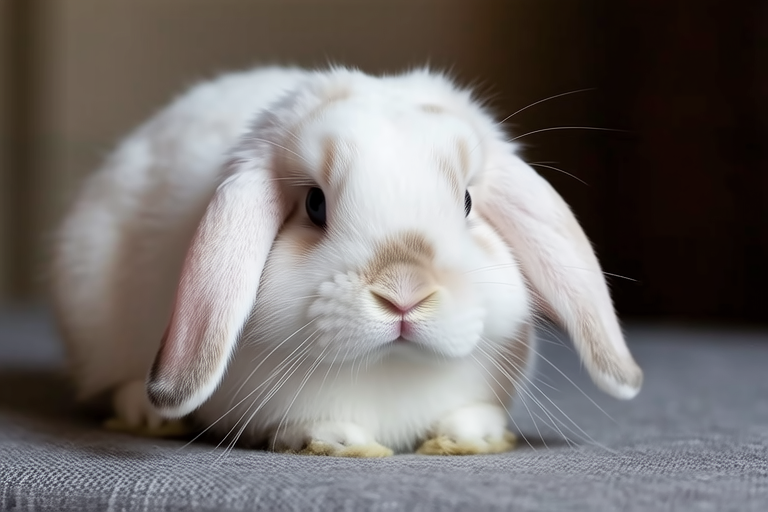
Lop rabbits are known for their long, droopy ears that hang down beside their faces, giving them a unique and endearing appearance. Their ears can be anywhere from 4 inches to 8 inches long, depending on the breed. The ear length contributes significantly to their distinctive look, setting them apart from other rabbit breeds. Apart from their ears, lop rabbits come in various sizes, ranging from small to medium, and they display a wide array of colors, patterns, and fur types.
Different Breeds of Lop Rabbits
Miniature Lop
The Miniature Lop is the smallest of the lop breeds, typically weighing between 3 to 4 pounds. They are known for their compact size, making them ideal for smaller living spaces. Miniature Lops have short, dense fur that comes in a variety of colors, including black, blue, chocolate, fawn, and white. Their temperament is gentle and docile, making them suitable for families with children.
Standard Lop
The Standard Lop is larger than the Miniature Lop, usually weighing between 8 to 12 pounds. They have longer bodies and bigger ears, which can grow up to 8 inches in length. Standard Lops are available in various colors and patterns, including solid colors like black, blue, and white, as well as broken patterns. They are calm and easygoing, making them great pets for those looking for a more laid-back companion.
English Lop
The English Lop is the largest of the lop breeds, often reaching weights of over 12 pounds. They are known for their exceptionally long ears, which can extend up to 24 inches. Due to their size and delicate nature, English Lops require more attention and care. They are available in several colors, including black, blue, fawn, and white. Their temperament is generally calm and docile, but they may be more sensitive to stress compared to other lop breeds.
Care Requirements
Diet
A balanced diet is crucial for maintaining the health of your lop rabbit. A diet rich in hay, fresh vegetables, and a limited amount of pellets provides the necessary nutrients. Timothy hay or grass hay should make up the majority of their diet, as it aids in digestion and keeps their teeth healthy. Fresh vegetables, such as carrots, spinach, and broccoli, can be offered in moderation. It’s important to introduce new foods gradually to avoid digestive upset. Water should always be available and kept clean.
Housing
Lop rabbits need a spacious, comfortable living area that allows them to move around freely. An indoor cage or hutch with ample space is recommended. The cage should have a solid floor to prevent injury from wire flooring. Bedding material, such as straw or shredded paper, should be provided for comfort. The living area should be placed in a quiet, draft-free location away from direct sunlight. Regular cleaning of the cage is essential to maintain hygiene and prevent odor buildup.
Grooming
Grooming is an important aspect of caring for your lop rabbit. Regular brushing helps to remove loose hair and prevents matting. Depending on the breed, grooming frequency may vary. Short-haired lop breeds may require less frequent grooming, while long-haired breeds, such as the English Lop, may need daily brushing. Bathing should be done sparingly, as it can cause stress and discomfort. Instead, focus on keeping the ears and tail clean and free of debris.
Exercise
Lop rabbits are active animals that require regular exercise to stay healthy. Providing a safe, enclosed area for them to play and explore is essential. Daily playtime outside of their cage allows them to stretch their legs and engage in natural behaviors. Toys and tunnels can be added to stimulate their minds and provide entertainment. Exercise helps to maintain their physical fitness and mental well-being.
Tips for Choosing the Right Lop Rabbit
When selecting a lop rabbit, consider factors such as breed, temperament, and compatibility with your lifestyle. Visit reputable breeders or shelters to meet potential companions. Look for signs of good health, such as clear eyes, clean ears, and a shiny coat. Observe their behavior to ensure they are friendly and sociable. It’s also important to consider the commitment involved in caring for a lop rabbit, including time, effort, and financial resources.
Common Health Issues and Prevention
Lop rabbits are generally healthy, but they can be prone to certain health issues. Dental problems, such as overgrown teeth, are common due to their continuously growing incisors. Ensuring a proper diet and providing chew toys can help prevent dental issues. Ear infections can occur if the ears are not kept clean and dry. Regular cleaning and inspection can prevent infections. Gastrointestinal stasis, a condition where the digestive system slows down, can be prevented by maintaining a balanced diet and providing adequate exercise.
Bonding with Your Lop Rabbit
Building a strong bond with your lop rabbit takes time and patience. Spend quality time with them each day, offering gentle handling and positive reinforcement. Use treats and praise to encourage desired behaviors. Lop rabbits are social animals that enjoy interaction with their human companions. Providing a safe, stimulating environment allows them to feel secure and comfortable. By fostering a trusting relationship, you can create a happy, healthy life for your lop rabbit.
In conclusion, lop rabbits are delightful pets that bring joy and companionship to their owners. With their unique floppy ears and friendly personalities, they make wonderful additions to any family. By understanding their care requirements, choosing the right breed, and taking preventive measures, you can ensure a healthy and happy life for your lop rabbit. Remember, a bonded and well-cared-for lop rabbit will thrive in a loving home, bringing endless happiness and companionship.
