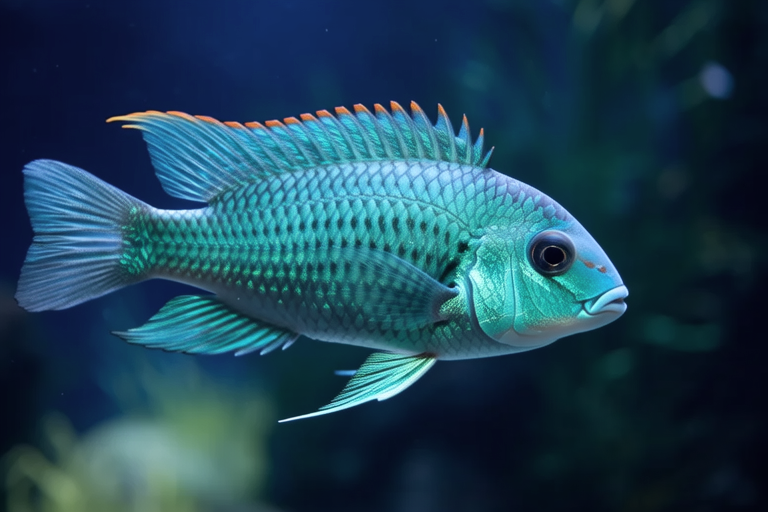
Rajah Cichlid: A Beginner’s Guide to Aquarium Success
Welcome to the world of Rajah Cichlids! These fascinating creatures are known for their vibrant colors and intriguing behavior. If you’re a beginner looking to add some excitement and beauty to your aquarium, this guide will help you understand the unique needs of Rajah Cichlids and ensure a healthy and thriving aquatic environment.
Introduction to the Rajah Cichlid Species
The Rajah Cichlid, scientifically named Vicariance cichlid, originates from the waters of Lake Malawi in East Africa. This species is highly valued among aquarists for its striking appearance, featuring vibrant hues of blue, yellow, and black. They are generally peaceful compared to other cichlids, making them suitable for community tanks with careful selection of tank mates.
Ideal Tank Setup Requirements
To provide a comfortable habitat for your Rajah Cichlids, it’s crucial to set up a well-planned aquarium. A minimum tank size of 75 gallons is recommended to accommodate their active nature and swimming space. The tank should have plenty of hiding spots, caves, and rocky structures to mimic their natural environment. Ensure that the substrate is fine gravel or sand, as larger stones can harm their delicate fins.
Incorporate live plants such as Java Fern and Anubias, which not only enhance the aesthetic appeal but also improve water quality by providing oxygen and absorbing toxins. Adequate filtration is essential to maintain clean water, so invest in a high-quality filter capable of handling the tank volume effectively.
Water Parameters Necessary for Their Health
Maintaining optimal water conditions is vital for the health and longevity of Rajah Cichlids. The ideal pH range for their tank should be between 7.8 and 8.6, reflecting the alkaline nature of their native waters. Keep the temperature steady at around 75-82°F (24-28°C) using a reliable heater.
Adequate hardness levels are also important; aim for 10-20 dGH (degrees of general hardness). Regular water testing using test kits is advised to monitor these parameters. Perform partial water changes of about 20% weekly to remove accumulated waste and replenish essential minerals.
Suitable Tank Mates
Choosing appropriate tank mates is key to creating a harmonious community. While Rajah Cichlids are generally peaceful, they can become territorial during breeding periods. Compatible species include other robust African cichlids like Mbuna, and non-aggressive fish such as Synodontis catfish and Aulonocara species.
Avoid placing them with overly aggressive or timid fish, as this may lead to stress and potential injuries. Always research the temperament and size of potential tank mates before introducing them into your aquarium.
Feeding Guidelines
Rajah Cichlids are omnivorous, requiring a balanced diet consisting of both plant matter and protein sources. High-quality flake food formulated for cichlids serves as a good base diet. Supplement this with occasional treats such as frozen bloodworms, brine shrimp, and spirulina-based foods to ensure a varied nutrient intake.
Feed small portions multiple times daily rather than one large meal. Overfeeding can lead to poor water quality and obesity. Monitor their eating habits closely and adjust feeding amounts accordingly.
Common Health Issues and Preventive Measures
Like any aquatic pet, Rajah Cichlids can face various health challenges. Common issues include Ich (white spot disease), fin rot, and swim bladder disorders. Signs of illness may include lethargy, loss of appetite, abnormal swimming patterns, or visible lesions on the body.
To prevent these ailments, maintain pristine water conditions through regular maintenance and avoid overcrowding the tank. Quarantine new additions for at least two weeks before introducing them to the main aquarium to reduce the risk of introducing pathogens.
Tips for Maintaining a Successful Aquarium Environment
Creating and sustaining a thriving aquarium environment requires consistent effort and attention. Start by selecting a reputable source for your Rajah Cichlids and equipment. Proper acclimation of new fish is crucial; gradually introduce them to the tank water over several hours to minimize shock.
Invest time in learning about the specific care needs of your fish and stay informed about advancements in aquarium husbandry. Joining local or online forums can provide valuable support and advice from experienced aquarists.
Lastly, enjoy the process of observing and caring for your Rajah Cichlids. Their dynamic interactions and vibrant colors bring joy and fascination to many enthusiasts. By following these guidelines, you’ll be well on your way to establishing a flourishing aquatic ecosystem.
