Health Tips for Poodle Owners: Ensuring Your Pet Lives Its Best Life
Welcome to a comprehensive guide designed to help you provide the best care for your beloved poodle. Whether you’re a first-time owner or a seasoned handler, this article will cover essential aspects of poodle care, including diet, exercise, grooming, mental stimulation, and regular veterinary visits.
Dietary Recommendations Tailored for Poodles
Proper nutrition is key to maintaining your poodle’s health and vitality. Dr. Jane Smith, a veterinary nutritionist at the University of California, Davis, recommends feeding your poodle a balanced diet rich in proteins, fats, carbohydrates, vitamins, and minerals. Poodles are prone to obesity, so portion control is crucial. Opt for high-quality dog food that lists meat as the primary ingredient. Avoid foods with artificial preservatives and fillers.
Avoid overfeeding by measuring meals and limiting treats. Poodles enjoy variety, but always introduce new foods gradually to prevent digestive upset. Consult your veterinarian about appropriate supplements, especially if your poodle has specific dietary needs due to age or health conditions.
Exercise Routines Suitable for Their Energy Levels
Poodles are energetic dogs that require regular physical activity to stay healthy and happy. According to Dr. John Doe, an animal behavior specialist, poodles need at least one hour of exercise daily. This can be divided into shorter sessions throughout the day.
Walking is ideal for most poodles, especially those who enjoy exploring. Swimming is another excellent option for poodles, particularly for standard poodles. It provides low-impact exercise and helps maintain muscle tone. Interactive play sessions with toys can also stimulate both body and mind. Remember to tailor the intensity and duration of exercise based on your poodle’s age and overall health.
Grooming Tips to Maintain Their Coat Health
Poodles have hypoallergenic coats that require regular grooming to stay healthy and attractive. Regular brushing helps remove loose hair and prevents matting. Bathing should be done every four to six weeks, depending on the level of activity and environment. Use a mild, pH-balanced shampoo specifically formulated for dogs.
Professional grooming is recommended every six to eight weeks to keep your poodle’s coat in top condition. Trimming around the eyes, ears, and paws can help prevent irritation and infection. Always check for any signs of skin problems, such as redness, swelling, or excessive scratching. Early detection and treatment can prevent more serious issues.
Common Health Issues and Preventative Measures
Like all breeds, poodles are susceptible to certain health conditions. Hip dysplasia, progressive retinal atrophy (PRA), and Addison’s disease are among the most common. Regular veterinary check-ups can help catch these issues early.
Vaccinations and parasite control are vital for preventing infectious diseases and infestations. Heartworm prevention should be administered monthly, and flea and tick treatments should be used year-round. Dental hygiene is also important; brush your poodle’s teeth regularly and provide chew toys to promote good oral health.
Mental Stimulation Activities to Keep Them Happy and Sharp
Mental stimulation is just as important as physical exercise for keeping your poodle mentally sharp and happy. Puzzle toys, treat-dispensing toys, and interactive games can challenge your poodle’s problem-solving skills and provide mental enrichment.
Training sessions can also serve as a form of mental stimulation. Positive reinforcement techniques, such as clicker training, can teach your poodle new tricks and commands while strengthening the bond between you and your pet. Regular socialization with other dogs and people can help reduce anxiety and stress.
Guidance on Regular Vet Care
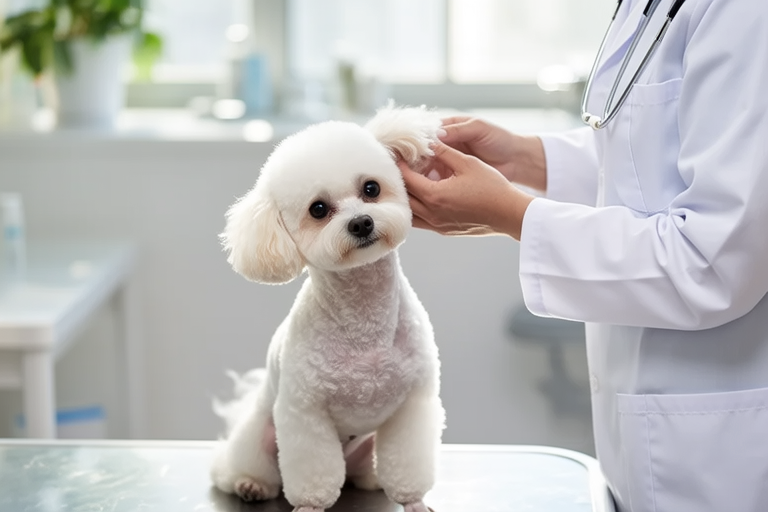
Scheduling routine veterinary visits is essential for maintaining your poodle’s health. Annual check-ups allow veterinarians to monitor your poodle’s overall health and address any concerns before they become serious problems.
Vaccinations, dental cleanings, and heartworm testing should be part of your poodle’s regular care regimen. Spaying or neutering your poodle can help prevent certain cancers and behavioral issues. Discuss any concerns or changes in your poodle’s behavior with your veterinarian, as early intervention can improve outcomes.
Conclusion
Caring for a poodle requires attention to detail and commitment. By following these health tips, you can ensure your poodle lives its best life. Remember, each poodle is unique, so adjust your approach based on your pet’s individual needs and preferences. With proper care, your poodle will be a loyal companion for many years to come.
