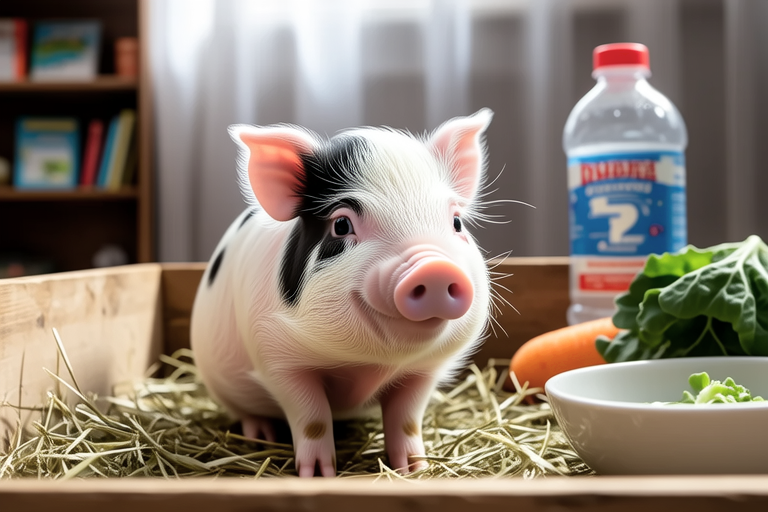
Adopting a Guinea Pig? What You Need to Know Before Bringing Them Home
Guinea pigs have been gaining popularity as pets over the past few years. These adorable, sociable rodents are known for their gentle nature and charming personalities. They make excellent companions for families and individuals alike. If you’re considering adopting a guinea pig, there are several important factors to consider before bringing one home. From selecting the right guinea pig to creating a suitable living environment and ensuring their health and happiness, this guide will provide you with all the information you need to make an informed decision.
Selecting the Right Guinea Pig
Choosing the right guinea pig is crucial for ensuring a happy and healthy relationship between you and your pet. When visiting a shelter or breeder, take your time to observe different guinea pigs. Look for signs of good health, such as clear eyes, clean ears, and a glossy coat. Avoid any guinea pigs that appear lethargic, have discharge from their eyes or nose, or exhibit signs of distress. Additionally, pay attention to their temperament. Some guinea pigs may be more outgoing and playful, while others might be more reserved. Consider your own lifestyle and personality when deciding which guinea pig would be the best fit for you.
Creating a Suitable Living Environment
A proper living environment is essential for the well-being of your guinea pig. Start by providing them with a spacious cage, ideally at least 7.5 square feet for two guinea pigs. The cage should have solid flooring to prevent injury from wire bottoms. Line the bottom of the cage with soft bedding, such as paper-based products or fleece, to ensure comfort and cleanliness. Regularly change the bedding to keep the cage odor-free and hygienic. Provide plenty of toys, tunnels, and chewable items to keep your guinea pigs entertained and mentally stimulated. These items also help prevent boredom and destructive behaviors.
Dietary Needs
Proper nutrition is vital for the health of your guinea pig. Their diet should consist primarily of hay, fresh vegetables, and a small amount of pellets formulated specifically for guinea pigs. Timothy hay is a great choice for guinea pigs, as it aids digestion and keeps their teeth healthy. Fresh vegetables, such as carrots, bell peppers, and leafy greens, should be offered daily in moderation. Be cautious with certain vegetables like iceberg lettuce, which can cause digestive issues. Pellets should be provided in limited quantities, as they are high in calories. Always consult with a veterinarian about appropriate portion sizes for your guinea pig’s age and weight.
Regular Health Check-Ups and Vaccinations
Scheduling regular health check-ups with a veterinarian who specializes in exotic animals is crucial for maintaining your guinea pig’s health. During these visits, your vet can perform a thorough examination, check for any potential health issues, and provide necessary vaccinations. Guinea pigs are prone to certain health conditions, such as dental problems, respiratory infections, and skin issues. Early detection and treatment can prevent these issues from becoming serious. Your veterinarian can also offer advice on maintaining your guinea pig’s overall health and well-being.
Grooming Requirements
While guinea pigs generally require minimal grooming, there are still some important grooming tasks to consider. Brushing their coat regularly helps remove loose fur and prevents matting. This is especially important for long-haired breeds. Trimming their nails when needed can prevent discomfort and potential injuries. It’s also essential to clean their ears and around their eyes regularly to prevent infections. Grooming is a great opportunity to bond with your guinea pig and build trust.
Tips for Handling and Socializing
Handling your guinea pig gently and consistently helps establish a strong bond. Begin by allowing them to get used to your presence and voice. Once they feel comfortable, gently pick them up, supporting their body with both hands. Be patient and avoid sudden movements that could startle them. Socializing your guinea pig is equally important. Spend time interacting with them each day, offering treats, and playing with toys. Encourage gentle play with other guinea pigs if they live in pairs or groups. Socialization helps your guinea pig become more confident and less anxious in various situations.
In conclusion, adopting a guinea pig can be a rewarding experience, but it requires careful consideration and preparation. By selecting the right guinea pig, creating a suitable living environment, providing proper nutrition, scheduling regular health check-ups, and focusing on grooming and socialization, you can ensure a happy and healthy life for your new pet. With patience, love, and care, you’ll develop a strong bond with your guinea pig and enjoy many years of companionship.
