The Enigmatic Hotot Rabbit: A Rare and Distinctive Breed
The Hotot rabbit is a breed that captivates both experienced and novice rabbit enthusiasts alike. With its striking appearance and unique characteristics, the Hotot rabbit stands out from other breeds. This article delves into the fascinating world of the Hotot rabbit, exploring its distinctive physical features, rich history, temperament, care requirements, and health considerations. By the end of this piece, you will have a comprehensive understanding of why the Hotot rabbit is a breed worth knowing.
Distinctive Physical Appearance
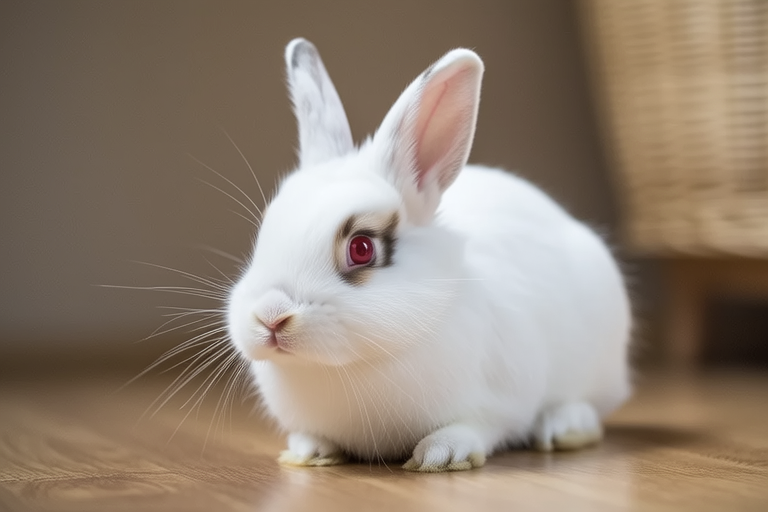
The Hotot rabbit is easily recognizable by its distinctive white coat and contrasting black or blue markings around its eyes, giving it an almost mystical appearance. The breed’s most notable feature is its striking ring of black or blue fur encircling each eye, which gives the impression of wearing mascara. This unique eye-ring is one of the reasons why the Hotot rabbit is often referred to as the “Bunny with Mascara.” Additionally, the Hotot rabbit has a dense, short, and fine-textured white coat that enhances its overall elegance.
The Hotot rabbit’s body structure is compact and well-proportioned, with a broad chest, muscular shoulders, and a strong back. Its head is rounded, and its ears are medium-sized and stand erect. The breed’s eyes are large, expressive, and typically a deep, soulful brown. The combination of these features creates a rabbit that is not only visually appealing but also captivating in its demeanor.
Origin and History
The Hotot rabbit originated in France in the early 20th century. It was developed by Eugenie Bernhard, a French breeder who aimed to create a rabbit with a unique and attractive appearance. Her goal was to produce a rabbit with a pure white coat and a distinct black eye-ring, a challenge that required years of selective breeding. By crossing the Chinchilla, White Vienna, and Belgian Hare breeds, Bernhard eventually achieved her vision.
The first Hotot rabbits were exhibited at the Paris Agricultural Show in 1920, where they quickly gained popularity due to their distinctive appearance. However, the breed faced challenges during World War II when many breeding programs were disrupted. Fortunately, dedicated enthusiasts worked to preserve the Hotot rabbit, ensuring its survival into the modern era. Today, the Hotot rabbit remains a rare and cherished breed, recognized by various rabbit registries worldwide.
Temperament and Personality Traits
The Hotot rabbit is known for its friendly and affectionate nature, making it an ideal pet for families and individuals seeking companionship. These rabbits are generally calm, docile, and easygoing, adapting well to different environments. They enjoy interacting with their human caregivers and can form strong bonds with them. Hotots are intelligent and curious, often engaging in playful activities such as digging, chewing, and exploring their surroundings.
Despite their gentle demeanor, Hotot rabbits can be somewhat independent, preferring to have their own space and time. They may not always seek constant attention but appreciate regular interaction and companionship. This balance between sociability and independence makes the Hotot rabbit a versatile and adaptable companion for various living situations.
Care Requirements
Diet
Proper nutrition is essential for maintaining the health and well-being of the Hotot rabbit. A balanced diet consisting of high-quality hay, fresh vegetables, and a limited amount of pellets should be provided daily. Timothy hay is particularly recommended as it aids in dental health and digestion. Fresh water should always be available to ensure proper hydration.
Vegetables such as romaine lettuce, carrots, and bell peppers can be offered as occasional treats but should not exceed 10% of the rabbit’s daily intake. Avoid feeding foods high in sugar or starch, as these can lead to digestive issues and obesity. Regular monitoring of the rabbit’s weight and adjusting the diet accordingly is crucial for maintaining optimal health.
Housing
Adequate housing is vital for the Hotot rabbit’s comfort and safety. An indoor cage or outdoor hutch should be spacious enough to allow the rabbit to move freely and stretch its limbs. The enclosure should be well-ventilated, clean, and free from drafts. Bedding made of soft materials such as straw or shredded paper provides comfort and helps absorb moisture.
It is important to provide the Hotot rabbit with hiding spots or tunnels to satisfy its natural instinct to explore and feel secure. Toys and chewable items such as untreated wood or cardboard boxes can help prevent boredom and promote mental stimulation. Regular cleaning of the enclosure and changing the bedding are necessary to maintain hygiene and prevent the spread of diseases.
Exercise Needs
Regular exercise is essential for the Hotot rabbit’s physical and mental well-being. Providing opportunities for supervised playtime outside the enclosure allows the rabbit to engage in natural behaviors such as running, jumping, and exploring. A safe, rabbit-proof area within the home or a designated outdoor space can serve as an ideal playground.
Interactive toys and puzzles designed specifically for rabbits can further enhance their physical activity and cognitive development. Supervised exercise sessions should be consistent and enjoyable, ensuring the rabbit remains active and healthy. Regular exercise also helps prevent obesity and promotes better digestion.
Health Concerns and Considerations
While the Hotot rabbit is generally a hardy breed, there are specific health concerns that potential owners should be aware of. One common issue is dental problems, which can occur if the rabbit does not receive adequate chewing opportunities or if its diet lacks sufficient fiber. Regular dental check-ups by a veterinarian specializing in rabbits can help identify and address any potential issues early on.
Another concern is obesity, which can result from overfeeding or lack of exercise. Maintaining a balanced diet and providing ample opportunities for physical activity can help prevent weight-related health problems. Additionally, the Hotot rabbit is prone to certain genetic conditions, such as skin sensitivities and respiratory issues. Regular veterinary care and close observation of the rabbit’s behavior and health are essential for early detection and management of these conditions.
Why the Hotot Rabbit is Worth Knowing
The Hotot rabbit is a breed that combines beauty, intelligence, and charm, making it a standout among other rabbit breeds. Its distinctive appearance, friendly temperament, and unique history make it a fascinating subject for rabbit enthusiasts. Whether you are a seasoned breeder or a first-time owner, the Hotot rabbit offers a rewarding and enriching experience.
By choosing to learn about and care for the Hotot rabbit, you not only gain a loyal and affectionate companion but also contribute to the preservation of a rare and remarkable breed. The Hotot rabbit’s captivating presence and engaging personality make it a worthwhile addition to any household. Embrace the opportunity to connect with this enigmatic breed and discover the joy of owning a Hotot rabbit.
