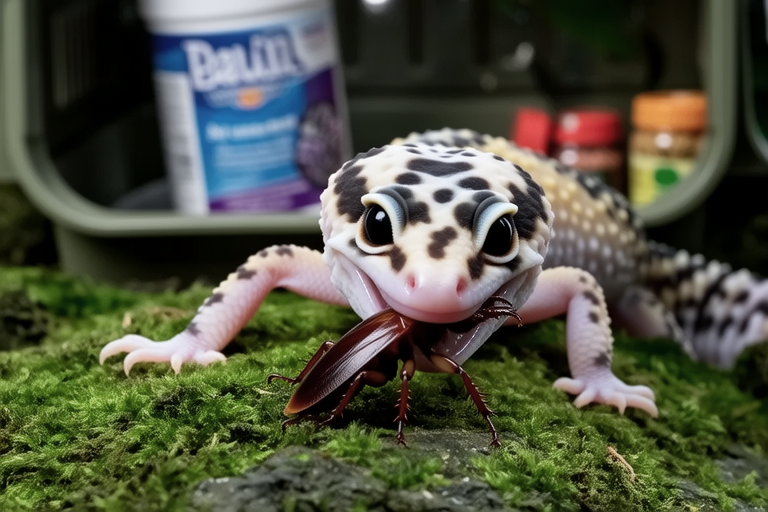
Leopard Gecko Diet Secrets: What They Love to Eat
Welcome to the fascinating world of leopard geckos! These charming, nocturnal lizards are popular pets due to their relatively easy care requirements and docile nature. Leopard geckos, native to the arid regions of Afghanistan, Pakistan, and parts of India, thrive on a diet rich in nutrients that mimic their natural habitat. Understanding their dietary needs is crucial for their health and longevity.
The Essentials of a Leopard Gecko’s Diet
A leopard gecko’s diet primarily consists of live insects. The most commonly fed insects include crickets, mealworms, and waxworms. Each insect provides distinct nutritional benefits, contributing to the overall health of your gecko.
Crickets: A Nutritional Powerhouse
Crickets are a staple in a leopard gecko’s diet. They offer a balanced mix of protein, calcium, and other essential nutrients. It’s important to ensure that crickets are appropriately sized for your gecko; they should be no wider than the space between the gecko’s eyes. Feeding crickets that are too large can lead to digestive issues.
Mealworms: High in Protein
Mealworms are another excellent source of protein. However, they should be fed sparingly as they have a high fat content. Overfeeding mealworms can lead to obesity and related health issues. When feeding mealworms, it’s advisable to remove them from the enclosure after a few hours to prevent overconsumption.
Waxworms: A Treat for Special Occasions
Waxworms are high in fat and are best used as a treat rather than a regular food item. They are particularly useful for geckos that need to gain weight or for breeding females. However, their high-fat content means they should only be offered occasionally to avoid health problems associated with excess fat intake.
Gut-Loading: Enhancing Nutritional Value
Gut-loading is the process of feeding nutritious foods to the insects before they are fed to your gecko. This enhances the nutritional value of the insects, providing your gecko with additional vitamins and minerals. Common gut-loaders include commercial cricket food, leafy greens, and vegetables. Ensuring that your feeder insects are well-fed can significantly improve your gecko’s health.
Supplementation: Filling the Gaps
In addition to a varied diet of insects, leopard geckos require occasional supplementation. Calcium and vitamin D3 supplements are especially important. Vitamin D3 helps with calcium absorption, and without it, even a calcium-rich diet can result in metabolic bone disease. Dusting the insects with these supplements before feeding ensures that your gecko gets the necessary nutrients.
Feeding Frequency and Quantity
The amount and frequency of feeding depend on the gecko’s age and size. Young geckos require more frequent feedings, typically every day or every other day, as they are growing rapidly. Adult geckos, on the other hand, need fewer meals, usually two or three times a week. Always monitor your gecko’s body condition to adjust feeding accordingly.
Tips for Novice Owners
- Use a digital scale to weigh your gecko regularly to ensure it maintains a healthy weight.
- Keep a feeding schedule to avoid overfeeding.
- Offer a variety of insects to ensure a balanced diet.
Common Feeding Mistakes and Myths
Many new owners make common mistakes when feeding their leopard geckos. One prevalent myth is that mealworms are harmful and should never be fed. While true that mealworms should be given sparingly due to their high-fat content, they are not inherently dangerous if managed properly. Another mistake is underestimating the importance of gut-loading and supplementation, which can lead to nutrient deficiencies.
Maintaining a Balanced Diet for Optimal Health
To ensure your leopard gecko enjoys a long and healthy life, it’s vital to maintain a balanced diet. Regularly rotate the types of insects you feed to provide a variety of nutrients. Pay attention to your gecko’s behavior and appearance; changes in appetite, activity levels, or physical condition can indicate dietary imbalances or other health issues.
Additionally, keep the enclosure clean and free of uneaten insects, as they can attract pests and contaminate the environment. By following these guidelines and being attentive to your gecko’s needs, you’ll help it thrive in captivity.
In conclusion, understanding and implementing a proper diet for your leopard gecko is key to its well-being. From selecting the right insects to gut-loading and supplementation, each step plays a crucial role in maintaining your gecko’s health. With the right knowledge and care, you can ensure your pet lives a happy and healthy life.
