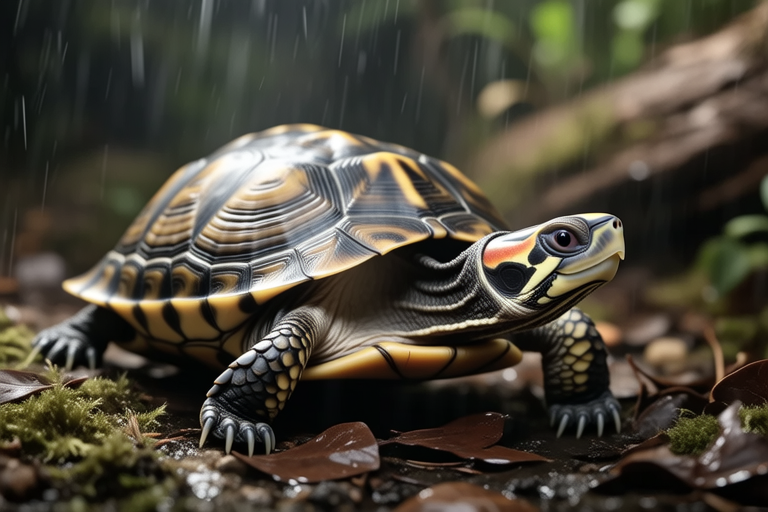
The Fascinating World of Three-Striped Box Turtles: A Complete Guide
Introduction:
The world of reptiles is vast and varied, offering countless species that captivate and intrigue enthusiasts and scientists alike. Among the many fascinating creatures, the three-striped box turtle (Terrapene carolina triunguis) stands out with its unique charm. These turtles are not only visually striking but also possess intriguing behaviors and characteristics that make them popular among both amateur and seasoned herpetologists. Known for their distinct three yellow stripes running down their dark shells, these turtles are native to the southeastern United States, where they have adapted to various environments. This guide delves into the world of three-striped box turtles, exploring their natural habitat, diet, behavior, and providing essential information for those considering them as pets.
Natural Habitat
The three-striped box turtle thrives in a range of habitats within its native region, including woodlands, grasslands, and wetlands. They prefer areas with abundant vegetation, which provides both food and cover. These turtles are often found near water sources such as streams, ponds, or marshes, though they are not particularly aquatic. Their semi-aquatic lifestyle means they spend significant time basking in the sun, absorbing vital nutrients and regulating their body temperature. The ideal habitat for these turtles includes ample space for movement, a variety of plant life, and access to shallow water for drinking and occasional bathing.
Diet and Behavior
Three-striped box turtles are omnivorous, meaning their diet consists of both plant matter and animal protein. In the wild, they consume a wide array of foods, including insects, small vertebrates, fruits, and berries. As they mature, their diet shifts more towards vegetation, reflecting their preference for a more herbivorous lifestyle. This dietary flexibility allows them to thrive in diverse environments, adapting their eating habits based on what is available. Their feeding behavior is influenced by the availability of food and seasonal changes, making them opportunistic feeders.
Behaviorally, three-striped box turtles are known for their slow movements and cautious nature. They are primarily diurnal, active during the day when temperatures are适宜。它们通常在早晨和傍晚活动,利用这段时间觅食和晒太阳。这些乌龟是独居动物,通常独自生活,除了在繁殖季节与其他乌龟互动外,很少与同类互动。
Physical Characteristics
Three-striped box turtles can be easily distinguished from other turtle species by their distinctive three yellow stripes that run down the center of their dark brown or black shell. Their plastron, or lower shell, is hinged, allowing them to close it tightly for protection against predators. This adaptation makes them one of the few turtle species capable of completely enclosing themselves within their shell. Their skin is usually a combination of brown and yellow, with some individuals exhibiting additional markings. Males and females can be differentiated by the shape of their plastron; males tend to have a concave plastron, while females have a flat one. Additionally, males possess longer, thicker tails compared to females.
Health Issues and Care
Like all animals, three-striped box turtles are susceptible to various health issues, some of which are common among captive populations. One of the most prevalent problems is metabolic bone disease (MBD), caused by a lack of calcium or vitamin D3. This condition leads to weakened bones and deformities, underscoring the importance of proper nutrition and exposure to UVB light. Respiratory infections can also occur, especially if the turtles’ enclosure is too humid or lacks adequate ventilation. Regular veterinary check-ups are crucial for early detection and treatment of these and other potential health issues.
Caring for three-striped box turtles requires attention to several key factors. Providing a balanced diet rich in calcium and vitamins is essential for their overall health. Supplementing their diet with appropriate calcium and vitamin D3 can help prevent nutritional deficiencies. Maintaining a clean and hygienic living environment is equally important, ensuring that their enclosure is regularly cleaned and sanitized. Proper lighting and temperature regulation are also critical, with UVB lighting being necessary for calcium absorption and overall well-being.
Tips for Optimal Living Environment
Creating an optimal living environment for three-striped box turtles involves replicating aspects of their natural habitat as closely as possible. An indoor enclosure should include a substrate that mimics soil or leaf litter, providing a comfortable surface for digging and burrowing. Adding plants and hiding spots can enhance the turtles’ sense of security and provide enrichment. A shallow water dish should be provided for drinking and soaking, with fresh water being changed daily. Temperature and humidity levels must be carefully monitored and adjusted to ensure they remain within the preferred range for these turtles.
Outdoor enclosures offer more space and natural elements, but they require careful planning to protect the turtles from predators and extreme weather conditions. A secure fence or barrier should be installed to prevent escapes, and shelter should be provided for protection against harsh weather. Outdoor enclosures should be situated in a location that receives ample sunlight, ensuring the turtles can bask and absorb necessary UVB rays. Regular monitoring of the enclosure’s conditions is essential to maintain a healthy and thriving environment for your pet turtles.
Conclusion:
The three-striped box turtle is a remarkable species, combining beauty, adaptability, and intriguing behaviors that make them a favorite among reptile enthusiasts. By understanding their unique needs and providing an enriching environment, owners can ensure the well-being and happiness of these fascinating creatures. Responsible ownership involves commitment to their care and well-being, ensuring they live long, healthy lives in captivity. With proper attention to their dietary, environmental, and health needs, three-striped box turtles can bring joy and fascination to their human companions for years to come.
