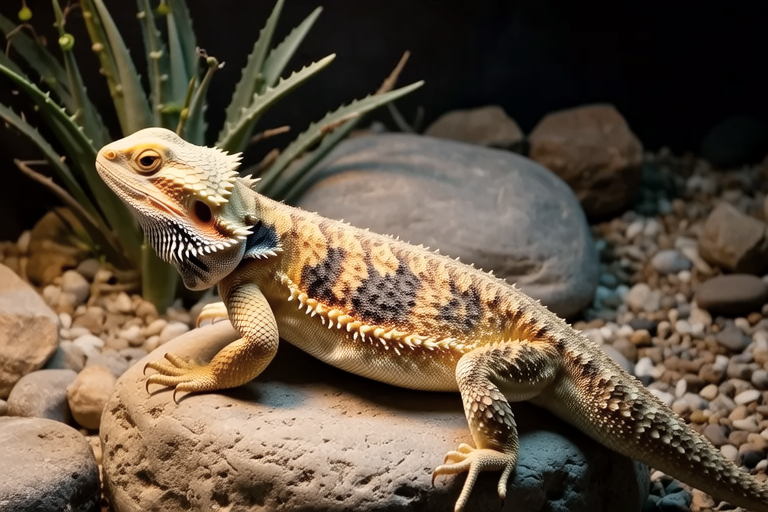
Bearded Dragons: The Complete Care Guide for First-Time Owners
Selecting the Right Habitat
Choosing the appropriate habitat is crucial for your bearded dragon’s well-being. A glass tank or terrarium that is at least 4 feet long, 2 feet wide, and 2 feet high is recommended for an adult bearded dragon. Ensure the enclosure has a secure lid to prevent escapes. The substrate, or flooring material, should be non-toxic and easy to clean. Reptile carpet, newspaper, or paper towels are ideal choices as they reduce the risk of impaction, which can occur if a bearded dragon ingests sand or other small particles.
Proper Heating and Lighting Requirements
Bearded dragons are ectothermic, meaning they rely on external heat sources to regulate their body temperature. A basking spot with temperatures between 95-110°F (35-43°C) should be provided, along with cooler areas around 80-85°F (27-29°C). This can be achieved using a combination of a heat lamp and under-tank heaters. UVB lighting is essential for calcium absorption and overall health. Use a UVB bulb designed specifically for reptiles, replacing it every six months, and position it within 12 inches of the basking area. Ensure the lighting cycle mimics natural daylight, with 10-12 hours of light per day.
Diet and Nutrition
Bearded dragons are omnivorous, requiring a balanced diet of insects and vegetables. For juveniles, offer crickets, dubia roaches, and waxworms daily, dusted with calcium and multivitamin supplements. As they mature, gradually increase vegetable intake to about 70% of their diet. Suitable vegetables include collard greens, mustard greens, squash, and bell peppers. Avoid feeding toxic plants like avocado, rhubarb, and spinach. Provide fresh water daily, but bearded dragons often drink more from misting or soaking.
Handling and Socialization Tips
Gently handle your bearded dragon regularly to promote bonding and trust. Start by allowing them to become accustomed to your presence before attempting to pick them up. Support their body fully when holding them, ensuring their legs and tail are supported. Bearded dragons may display defensive behaviors such as puffing out their beard or darkening its color; these are normal reactions and do not indicate aggression. Patience and consistency will help build a positive relationship with your pet.
Common Health Issues
Metabolic bone disease (MBD), caused by calcium deficiency, is one of the most serious health concerns for bearded dragons. Symptoms include lethargy, weak limbs, and soft jawbones. Ensuring proper UVB lighting and dietary supplementation can prevent MBD. Impaction, another common issue, results from ingesting substrate or indigestible materials. Symptoms include loss of appetite, constipation, and lethargy. Prevent this by providing appropriate substrate and monitoring what your bearded dragon eats. Regular vet check-ups are also vital for early detection and treatment of potential health problems.
Maintenance Routines
Maintaining cleanliness in your bearded dragon’s habitat is key to preventing illness. Spot-clean daily, removing feces and uneaten food. Perform a deep clean every two weeks, thoroughly disinfecting all surfaces and equipment. Replace substrate as needed. Monitor humidity levels; while bearded dragons prefer dry environments, occasional misting can help maintain hydration. Regularly inspect the heating and lighting systems to ensure they function correctly and provide adequate warmth and UVB exposure.
Conclusion
Owning a bearded dragon can be a rewarding experience, but it requires commitment and knowledge. By understanding their specific needs regarding housing, temperature, lighting, diet, and hygiene, you can provide a healthy and happy environment for your pet. Remember to consult with veterinarians specializing in reptiles for personalized advice and regular check-ups. With proper care, your bearded dragon can thrive for many years, bringing joy and companionship into your home.
