Inside the Quirky World of the Devon Rex: A Breed Apart
The world of cats is vast and varied, offering a wide range of breeds each with its own unique traits and personalities. Among these, the Devon Rex stands out as a breed that is truly one-of-a-kind. With their distinctive wavy coat, large, expressive ears, and playful antics, Devon Rex cats are a joy to behold and a delight to interact with. This article delves into the fascinating world of the Devon Rex, exploring their unique physical attributes, quirky personalities, rich history, and the special care they require.
Unique Physical Characteristics
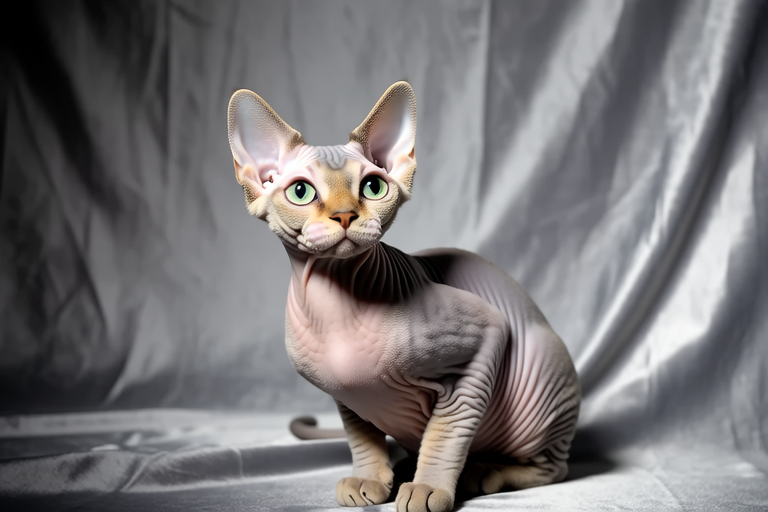
The Devon Rex is immediately recognizable by its most striking feature: its short, soft, and wavy coat. Unlike other breeds that may have longer, straighter fur, the Devon Rex’s coat is characterized by its unique texture and appearance. The waves in their fur are caused by a genetic mutation, making them feel almost like velvet when touched. Their coat is not only visually appealing but also gives them a somewhat elfin appearance, contributing to their overall charm.
Another hallmark of the Devon Rex is their large, expressive ears. These ears, set high on their heads, give them a curious and alert look, often making it seem as though they are always listening intently to the world around them. Combined with their large, green eyes, which can be either round or almond-shaped, these features contribute to their distinctive and endearing appearance.
Playful and Mischievous Nature
Beyond their physical appearance, the Devon Rex is renowned for its playful and mischievous personality. Often described as having a dog-like demeanor, these cats are known for their boundless energy and curiosity. They love to play fetch, chase after toys, and engage in various activities that keep them entertained. Their intelligence and agility make them adept at solving puzzles and finding creative ways to entertain themselves.
One anecdote that showcases the Devon Rex’s quirky personality involves a cat named Whiskers who was known for his love of water. Despite being a cat, Whiskers would frequently jump into the bathtub and play with the water, much to the amusement of his human family. Another example is a Devon Rex named Charlie, who had a habit of opening cabinets and rummaging through them, always with a mischievous grin.
History and Evolution
The Devon Rex breed has a relatively recent history, with the first known Devon Rex appearing in the 1960s in Devon, England. This cat, a male named Kirlee, was the result of a spontaneous genetic mutation. Kirlee’s unusual appearance caught the attention of breeders, who began selectively breeding similar cats to establish the breed. Over time, the Devon Rex has become a popular choice for cat lovers worldwide.
Initially, there were concerns about the breed’s health due to its genetic origins. However, careful breeding practices have helped to address many of these issues, resulting in a healthier and more robust breed. Today, the Devon Rex is recognized by major cat registries and continues to gain popularity among cat enthusiasts.
Care Tips
Given the unique characteristics of the Devon Rex, proper care is essential to ensure their health and happiness. Here are some key care tips:
Grooming Needs
Despite their short coats, Devon Rex cats still require regular grooming to maintain their coat’s condition. Their wavy fur can sometimes tangle, especially around the neck and tail. Using a soft brush designed for short-haired cats, gently brush your Devon Rex once or twice a week to prevent matting and keep their coat shiny and healthy.
In addition to brushing, regular baths may be necessary to keep their coat clean and free from dirt and oils. Use a gentle shampoo specifically formulated for cats and ensure thorough rinsing to avoid any residue.
Dietary Considerations
A balanced diet is crucial for maintaining the health and well-being of your Devon Rex. These cats have higher energy levels and may require more calories compared to other breeds. Consult with your veterinarian to determine the appropriate amount of food and the best type of cat food for your Devon Rex. High-quality, protein-rich diets are generally recommended to meet their nutritional needs.
It’s important to monitor your cat’s weight and adjust their diet as needed. Obesity can lead to health problems, so portion control and regular check-ups are essential.
Exercise Requirements
The Devon Rex is an active and playful breed that requires plenty of opportunities for exercise and mental stimulation. Interactive toys, such as laser pointers, feather wands, and puzzle feeders, can help keep them engaged and entertained. Providing climbing structures, scratching posts, and other environmental enrichment will also help satisfy their natural instincts.
Regular play sessions are not only fun for both you and your cat but also promote physical fitness and mental well-being. Aim for at least 15-20 minutes of playtime each day, adjusting based on your cat’s energy levels and preferences.
Why the Devon Rex is a Breed Apart
The Devon Rex is truly a breed apart, offering a unique combination of physical attributes and personality traits that make them stand out among other cat breeds. Their distinctive wavy coat, large ears, and expressive eyes create a look that is both charming and captivating. Their playful and mischievous nature, often described as dog-like, adds to their appeal and makes them a delightful companion for those seeking an interactive and entertaining pet.
For potential owners looking for a unique feline companion, the Devon Rex offers a wonderful opportunity to experience the joy of sharing life with a truly special cat. Their quirky personalities and endearing quirks make them a beloved breed among cat enthusiasts and families alike. By understanding and meeting their specific care needs, you can ensure that your Devon Rex remains happy, healthy, and thriving for years to come.
