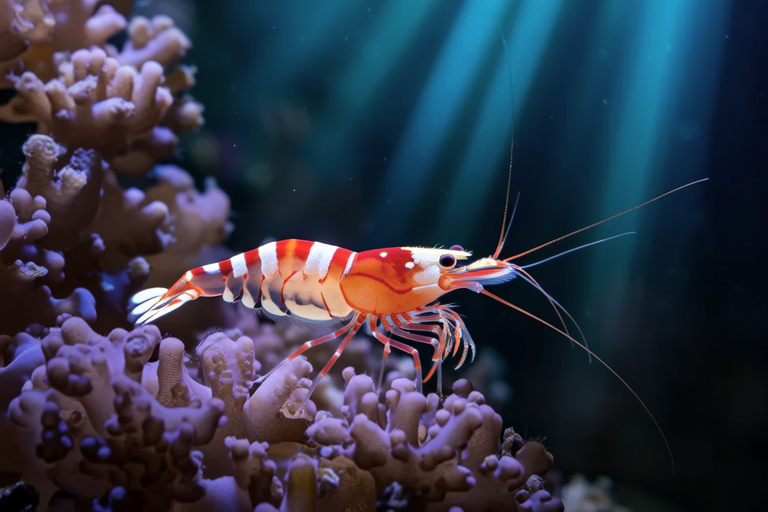
How a 1-Inch Shrimp Became the Most Adored Critter in Saltwater Aquariums
Imagine this: you’re standing by your saltwater tank late at night, the only light coming from the soft glow of LED fixtures. The water shimmers like liquid silver, and suddenly—there it is. A tiny creature, no bigger than a fingernail, scuttles across the sand bed with purpose. It pauses, raises its clawed appendages like a tiny ballerina, then darts behind a piece of live rock. You lean closer, heart skipping a beat. That’s when you see it—the iridescent blue stripe along its side, the delicate pink-tinted tail, the way it flickers under the light like a miniature comet. This isn’t just any shrimp. This is the cleaner shrimp, and in that moment, you’re not just a hobbyist—you’re enchanted.
It’s not the size that matters—it’s the sparkle. In the world of marine aquariums, one of the tiniest creatures has captured the hearts of thousands: the Lysmata amboinensis, commonly known as the skunk cleaner shrimp or simply the cleaner shrimp. At just about an inch long—some even smaller—it may seem insignificant, but its impact on the aquarium community is anything but.
The Science Behind the Sparkle
Scientifically, Lysmata amboinensis belongs to the family Penaeidae, though it’s more closely related to other cleaner shrimp species than to the large, commercially fished prawns. Native to the warm, tropical waters of the Indo-Pacific—from the reefs of Indonesia and the Philippines to the coral cays of Australia—this shrimp thrives in shallow lagoons, mangroves, and sheltered reef crevices. Its natural habitat is rich in hiding spots, where it can blend into the rockwork and remain safe from predators.
But what truly sets it apart? Look closely: its most striking feature is that bold black-and-white banded pattern—black stripes running down its back and tail, contrasting sharply with white segments. The head often bears a distinctive blue or purple hue, and its antennae are long and feathery, constantly twitching as if scanning for danger or opportunity. The eyes, large and prominent, give it a perpetually curious expression. Combined, these traits create a visual effect so captivating that many aquarists say they “can’t help but stare.”
More Than Just a Pretty Face
While its appearance is undeniably charming, the cleaner shrimp earns its fame through function. In nature, these little creatures are famous for their symbiotic relationship with fish—they clean parasites and dead skin off larger reef dwellers. But in the aquarium, their role is equally vital, though less dramatic. They act as nature’s janitors, tirelessly combing the substrate, rocks, and glass for leftover food, detritus, and algae buildup.
They’re particularly effective at controlling nuisance algae—like hair algae and diatoms—that can plague tanks, especially those with high nutrient levels. Their tiny claws delicately pluck at algae films, and their constant movement keeps the sand bed aerated. Unlike chemical treatments or manual cleaning, which can be disruptive, the cleaner shrimp works quietly, consistently, and without stress to the ecosystem.
And here’s the kicker: they don’t just clean—they entertain. Watching them scuttle around, pause mid-motion to inspect a rock, or wave their antennae in a playful dance is pure joy. They’re curious, active, and full of personality. Some hobbyists swear their shrimp have distinct “personalities”—one might be bold and adventurous, another shy and cautious. These behaviors make them feel less like pets and more like tiny roommates with quirks and charm.
Why Hobbyists Can’t Get Enough
So why do so many saltwater enthusiasts fall head over heels for this 1-inch marvel?
- Low Maintenance: Cleaner shrimp thrive in stable conditions and don’t require complex feeding routines. Once established, they’ll happily scavenge on leftover food and microorganisms in the tank.
- Peaceful Temperament: They’re non-aggressive and won’t bother fish, corals, or other invertebrates. They’re ideal for community tanks with peaceful species like gobies, clownfish, and small wrasses.
- Entertaining Behavior: From their quick dashes to their deliberate explorations, they add dynamic life to the tank. Many hobbyists report feeling calm and centered just watching them go about their day.
- Longevity: With proper care, they can live up to 3–5 years—longer than many fish species in captivity!
Creating the Perfect Home
To enjoy the full benefits of a cleaner shrimp, it’s essential to provide the right environment. While they’re resilient, they thrive best in well-established, mature tanks with stable parameters:
- Water Quality: Maintain salinity between 1.023–1.025, temperature around 76–82°F (24–28°C), and pH between 8.0–8.4.
- Live Rock & Hiding Spots: Provide ample caves, crevices, and overhangs. They feel safest when they can retreat quickly from perceived threats.
- Substrate: A fine sand bed allows them to burrow and search for food particles.
- Lighting: Moderate lighting is ideal. Too much bright light can stress them; too little makes it hard to spot them.
Feeding is simple. Though they’ll eat leftover food, supplementing with occasional treats like frozen brine shrimp, mysis shrimp, or specialized invertebrate pellets ensures they stay healthy and vibrant. A varied diet also supports their immune system and enhances their natural coloration.
Who Can They Live With?
One of the biggest reasons cleaner shrimp are so popular is their compatibility. They generally get along with:
- Small, peaceful fish (e.g., cardinalfish, dwarf gobies)
- Non-aggressive invertebrates (e.g., snails, hermit crabs)
- Soft and hard corals (they won’t harm them)
However, caution is needed with certain tank mates:
- Predatory Fish: Larger or aggressive fish like lionfish, triggerfish, or large angelfish may see them as snacks.
- Crustacean Competitors: Other shrimp or crabs may harass or even cannibalize them, especially during molting.
- Overcrowding: Too many shrimp in a small space increases stress and aggression.
For best results, introduce them to a well-balanced tank with plenty of hiding spaces and avoid overcrowding. A single cleaner shrimp per 20–30 gallons is usually sufficient.
Common Misconceptions Debunked
Despite their popularity, several myths surround the cleaner shrimp:
Myth 1: “They’ll clean my fish.” While they do clean wild fish in nature, in home aquariums, they rarely attempt to “clean” fish unless stressed or starving. Most will leave fish alone unless provoked.
Myth 2: “They’re easy to breed.” Breeding cleaner shrimp in captivity is extremely difficult—most available specimens are wild-caught. The larvae are tiny, fragile, and require very specific conditions.
Myth 3: “They’re always active.” Like all animals, they rest and hide. They may spend hours motionless, especially during daylight hours. This is normal behavior, not a sign of illness.
Myth 4: “They’ll eat my coral.” Absolutely not. They don’t consume live coral. They may occasionally nibble on soft tissues if hungry, but this is rare and usually only happens in nutrient-poor tanks.
A Tiny Wonder with a Big Heart
There’s something profoundly moving about a creature so small yet so impactful. The cleaner shrimp teaches us that beauty and utility aren’t mutually exclusive. In fact, they often go hand in hand. It’s not just that this shrimp cleans our tanks—it’s that it does so with grace, quiet diligence, and undeniable charm.
In a world where aquariums are increasingly seen as personal sanctuaries—spaces of peace, wonder, and connection—this tiny crustacean has become a symbol of balance. It reminds us that even the smallest beings can bring immense value. Whether you’re a seasoned aquarist or someone just dipping your toes into marine life, the cleaner shrimp offers a gentle invitation: slow down, look closer, appreciate the details.
It’s easy to overlook the small things—the flick of a tail, the glint of a blue stripe, the silent work of a creature doing its part. But in doing so, we miss the magic. The cleaner shrimp proves that greatness doesn’t come in size. Sometimes, it comes in a 1-inch package—sparkling, spirited, and utterly unforgettable.
