How Parrot Fish Are Saving Our Oceans, One Bite at a Time
Introduction
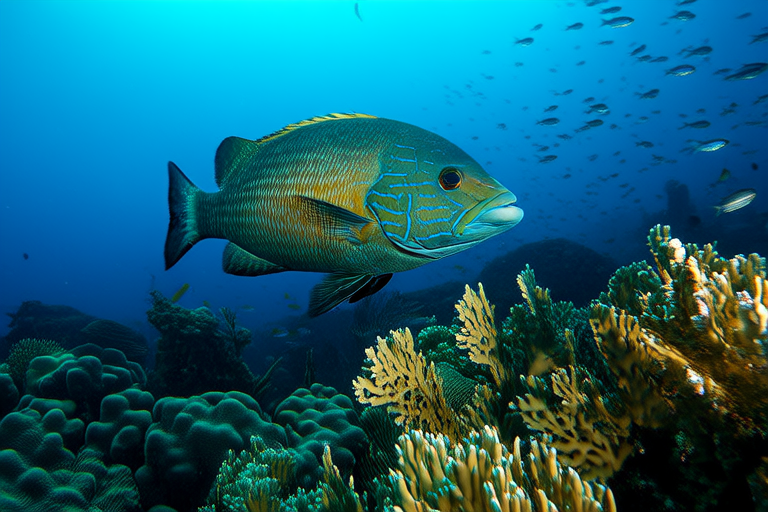
The vibrant and diverse world of coral reefs is a vital part of our planet’s ecosystem, supporting countless species of marine life. Among these, parrot fish stand out as unsung heroes, playing a crucial role in maintaining the health and balance of coral reefs. With their distinctive beak-like mouths and colorful scales, parrot fish are not only a sight to behold but also key players in preserving the health of our oceans.
The Role of Parrot Fish in Coral Reef Ecosystems
Coral reefs are bustling communities teeming with life, and parrot fish are integral to this intricate web. These fish primarily feed on algae that grow on the surface of coral reefs. Their diet consists mainly of coral polyps, which are the living organisms that build and maintain the structure of coral reefs. By grazing on the algae and coral polyps, parrot fish help keep the reefs clean and healthy, preventing overgrowth that could otherwise smother and kill the corals.
Maintaining Healthy Coral Reefs Through Feeding Habits
The feeding habits of parrot fish are particularly beneficial to coral reefs. As they scrape algae from the coral surfaces, they also inadvertently grind up bits of coral, which are then expelled as sand. This process is essential for the formation of tropical beaches and islands. In fact, it has been estimated that a single large parrot fish can produce about 90 kilograms of sand each year. This constant recycling of coral material helps to sustain the delicate balance of the reef ecosystem.
Impact on Algae Control and Coral Growth
Parrot fish play a critical role in controlling the growth of algae, which can otherwise become too abundant and harmful to the reef. When algae grow unchecked, it can take over the reef, overshadowing and suffocating the coral polyps. By keeping algae populations in check, parrot fish ensure that there is enough space and light for the coral to thrive. This allows the coral to photosynthesize more efficiently, leading to faster growth and better overall health.
Recent studies have shown that areas with healthy parrot fish populations experience lower levels of algae cover and higher rates of coral growth. For example, a study conducted in the Caribbean found that reefs with abundant parrot fish had significantly less macroalgae than those where parrot fish numbers were low. This research underscores the importance of maintaining robust parrot fish populations for the health of coral reefs.
Positive Effects of Parrot Fish on Ocean Health
Not only do parrot fish contribute to the health of individual reefs, but their presence also benefits the broader marine environment. By helping to maintain the structural integrity of reefs, parrot fish indirectly support a wide range of marine species that depend on these habitats. Healthy reefs provide shelter, breeding grounds, and food sources for countless fish, crustaceans, and other creatures.
Moreover, the sand produced by parrot fish plays a significant role in coastal protection. Beaches and islands formed from parrot fish-produced sand help to buffer against storms and erosion, offering protection to coastal communities. In some regions, the loss of parrot fish has led to reduced beach sizes and increased vulnerability to natural disasters.
The Importance of Protecting Parrot Fish Populations
Despite their critical role in ocean health, parrot fish populations face numerous threats. Overfishing, habitat destruction, and climate change all pose significant risks to these vital fish. The decline of parrot fish populations can lead to a cascade of negative effects, including increased algae growth, reduced coral growth, and diminished biodiversity within coral reef ecosystems.
Conservation efforts aimed at protecting parrot fish are therefore crucial for the future of our oceans. Establishing marine protected areas, enforcing sustainable fishing practices, and raising awareness about the importance of parrot fish can all help to safeguard these essential fish. It is also important to recognize the interconnectedness of marine life, where the health of one species affects the entire ecosystem.
By protecting parrot fish, we are not just saving a colorful and fascinating fish; we are investing in the future of our oceans. Healthy reefs supported by thriving parrot fish populations will continue to provide vital ecosystem services, such as food security, tourism opportunities, and coastal protection. They are a reminder of the delicate balance that exists in nature and the responsibility we have to preserve it.
Conclusion
In conclusion, parrot fish are unsung heroes in the battle to save our oceans. Through their unique feeding habits, these fish play a pivotal role in maintaining the health and balance of coral reef ecosystems. By controlling algae growth and contributing to coral growth, parrot fish help to create vibrant and thriving marine environments. Recent studies have highlighted the positive effects of parrot fish on ocean health, reinforcing the need to protect their populations.
The interconnectedness of marine life emphasizes the importance of preserving parrot fish for the future of our oceans. By taking action to protect these vital fish, we can help ensure the continued health and resilience of coral reefs, benefiting both marine ecosystems and human communities. Let us recognize the critical role of parrot fish and work together to safeguard them for generations to come.
