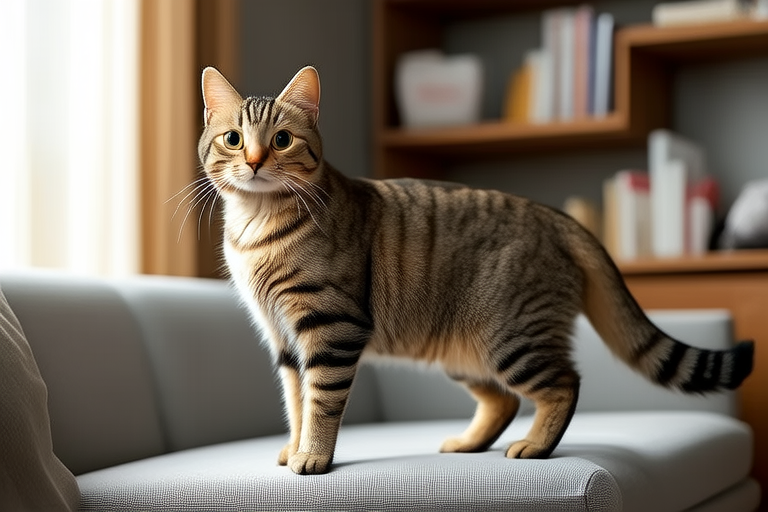
Raising an Abyssinian: Tips for First-Time Pet Parents
Welcome to the world of Abyssinian cats! If you’re a first-time pet parent considering adopting one of these beautiful creatures, you’ve made an excellent choice. Known for their striking appearance and playful personalities, Abyssinians are a joy to have around. This guide will provide you with all the information you need to raise your Abyssinian successfully, from understanding their unique characteristics to addressing common health issues and integrating them into your family life.
Unique Characteristics of Abyssinians
Abyssinians are one of the oldest domesticated cat breeds, known for their distinctive ticked coat and almond-shaped eyes. Their coats come in various colors, such as ruddy, blue, fawn, and cinnamon, giving them a wild yet elegant look. These cats are highly intelligent and curious, always exploring their surroundings. They enjoy being up high and often find the highest perches in your home to survey their domain.
Anecdote: One of my friends once found her Abyssinian sitting on top of the refrigerator, staring at a fly that had landed there. The cat was so engrossed in its observation that it didn’t even notice my friend approaching!
Dietary Needs
Abyssinians require a balanced diet rich in proteins and fats, similar to what they would eat in the wild. High-quality commercial cat food, either dry or wet, can meet their nutritional needs. However, it’s essential to avoid feeding them too many treats, as this can lead to obesity. Fresh water should be available at all times.
Pro Tip: Introduce a variety of flavors and textures to keep your Abyssinian interested in mealtime. Rotate between different brands and types of food to ensure a well-rounded diet.
Exercise Requirements
These active cats need plenty of opportunities to play and exercise. Interactive toys like laser pointers, feather wands, and puzzle feeders are great for keeping them engaged. Abyssinians also enjoy climbing and jumping, so consider adding shelves or cat trees to your home to provide vertical spaces for exploration.
Tip: Schedule regular play sessions throughout the day to help burn off excess energy and prevent destructive behavior. A tired Abyssinian is usually a happy one!
Grooming Tips
Abyssinians have short, fine coats that require minimal grooming. Weekly brushing with a soft-bristled brush or comb helps remove loose hair and prevents matting. Bathing is rarely necessary, but if you need to bathe your cat, use a gentle, cat-specific shampoo.
Anecdote: My Abyssinian, Charlie, once got into a mud puddle during a walk. I had to give him his first-ever bath, which he did not enjoy, but it was a memorable experience for both of us!
Common Health Issues
Like all breeds, Abyssinians are prone to certain health issues. Progressive retinal atrophy (PRA), a degenerative eye disease, is one concern. Regular veterinary check-ups are crucial for early detection and management. Dental problems are also common, so maintain good oral hygiene by brushing your cat’s teeth regularly and providing dental chews.
Tip: Keep an eye on your cat’s weight and overall health. Early signs of illness can include changes in appetite, activity level, or litter box habits.
Training Methods
Abyssinians are highly trainable due to their intelligence and curiosity. Positive reinforcement techniques, such as clicker training or rewarding good behavior with treats, work best. Teach basic commands like ‘sit,’ ‘stay,’ and ‘come’ to strengthen the bond between you and your cat.
Tip: Be patient and consistent with training. It may take time for your Abyssinian to fully grasp the commands, but persistence pays off.
Integrating Them Into Your Family Home
Bringing a new cat into your home requires careful planning to ensure a smooth transition. Create a safe space for your Abyssinian, complete with a litter box, food and water bowls, and a comfortable bed. Gradually introduce your cat to other pets and family members, allowing them time to adjust.
Pro Tip: Provide plenty of hiding spots and vertical spaces for your Abyssinian to feel secure. This is especially important if you have young children or other pets in the household.
Conclusion
Raising an Abyssinian is a rewarding experience filled with love, laughter, and adventure. By understanding their unique characteristics, meeting their dietary and exercise needs, and addressing common health issues, you can provide your cat with a happy and healthy life. Remember to stay patient, consistent, and loving as you integrate your Abyssinian into your family home. With proper care and attention, your Abyssinian will become a cherished member of your household.
Key Takeaways:
- Understand the unique characteristics of Abyssinians, including their appearance and personality.
- Meet their dietary needs with a balanced diet rich in proteins and fats.
- Ensure they get enough exercise through interactive play and access to vertical spaces.
- Keep their coat in good condition with regular grooming.
- Be aware of common health issues and schedule regular veterinary check-ups.
- Use positive reinforcement techniques for effective training.
- Create a welcoming environment when integrating your Abyssinian into your home.
Resources for Further Learning:
- Cat Fanciers’ Association (CFA) – A wealth of information about Abyssinian cats and other breeds.
- The International Cat Association (TICA) – Offers resources on cat care, breeding, and showing.
- Veterinary websites and books specializing in cat health and behavior.
