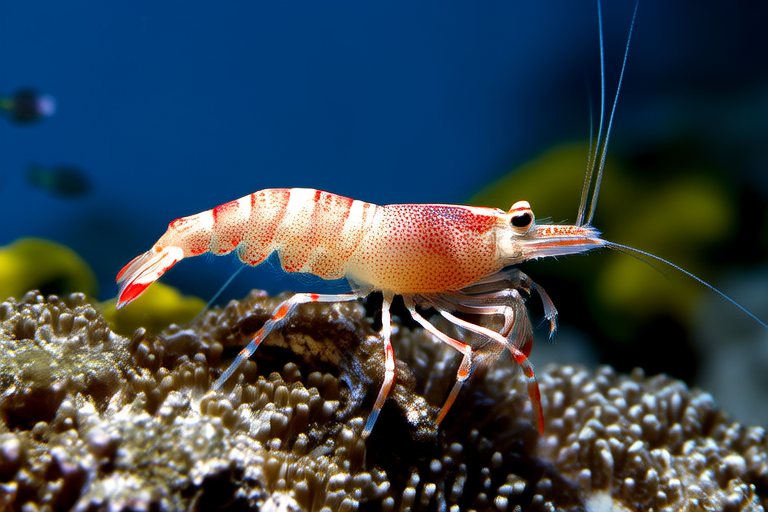
From Ocean to Aquarium: Everything You Need to Know About Coral Shrimp
Welcome to the fascinating world of coral shrimp! These tiny crustaceans are not only visually stunning but also play a crucial role in marine ecosystems. In this article, we will explore everything you need to know about coral shrimp, from their natural habitats to their adaptation in aquarium environments. Whether you’re a seasoned aquarist or a beginner, this guide will help you understand these delightful creatures and provide tips on creating a thriving environment for them.
Introduction to Coral Shrimp Species
Coral shrimp come in various species, each with its unique characteristics. One of the most popular species is the Lysmata amboinensis, commonly known as the cleaner shrimp. Other notable species include the scarlet cleaner shrimp (Lysmata grabhami) and the peppermint shrimp (Lysmata wurdemanni). Each species has distinct colors, patterns, and behaviors that make them captivating additions to any aquarium.
Natural Habitat in Oceans
In the wild, coral shrimp are found in tropical and subtropical waters across the globe. They typically inhabit coral reefs, rocky crevices, and sandy seabeds. Their natural environment is teeming with life, providing them with ample hiding spots and food sources. Coral reefs offer a rich ecosystem where these shrimp can thrive, thanks to the abundance of algae, plankton, and small invertebrates.
Adaptation to Aquarium Environments
Moving coral shrimp from their natural oceanic habitats to aquariums presents unique challenges. However, with proper care and attention, they can adapt well to artificial environments. The key to successful adaptation lies in replicating their natural habitat as closely as possible. This includes providing plenty of hiding spaces, such as live rock, corals, and driftwood, which offer shelter and protection.
Diet and Feeding
Understanding the dietary needs of coral shrimp is essential for their health and longevity. In the wild, they primarily feed on detritus, algae, and small invertebrates. When kept in aquariums, they require a balanced diet that mimics their natural feeding habits. Offer them a variety of foods, including sinking pellets, frozen brine shrimp, and algae wafers. Additionally, ensure there’s a constant supply of microorganisms and algae for them to graze on.
Behavior and Compatibility
Coral shrimp are generally peaceful and non-aggressive, making them compatible with many other aquarium inhabitants. They are often referred to as ‘cleaner’ shrimp because they consume debris and parasites from larger fish, promoting overall tank health. However, it’s important to avoid housing them with aggressive or predatory species that may view them as prey. Research compatibility thoroughly before introducing new species to your aquarium.
Setting Up the Perfect Aquarium
To create an ideal environment for your coral shrimp, start by selecting an appropriately sized aquarium. A minimum of 20 gallons is recommended for a small group of shrimp. Ensure the tank is equipped with a reliable filtration system to maintain water quality. Incorporate live rock, corals, and other structures to provide hiding spots and encourage natural behavior. Adequate lighting is also crucial for the growth of algae and other microorganisms that serve as food sources.
Maintaining Water Quality
Water quality is paramount for the health and survival of coral shrimp. Regularly test the water parameters for ammonia, nitrite, nitrate, pH, and salinity. Maintain stable conditions by performing routine water changes and monitoring temperature fluctuations. An optimal salinity level between 1.020 and 1.025 specific gravity ensures a healthy environment. Consistent water flow is equally important; a gentle current simulates their natural habitat and promotes movement.
Ensuring Health and Wellbeing
Paying close attention to the signs of stress or illness in your coral shrimp is vital. Healthy shrimp are active, vibrant, and exhibit normal behaviors. Any noticeable changes, such as lethargy, discoloration, or erratic movements, could indicate underlying issues. Quarantine new additions to prevent disease transmission. Regularly observe your shrimp for any unusual symptoms and take prompt action if necessary.
Common Challenges and Solutions
Despite best efforts, some challenges may arise when keeping coral shrimp. One common issue is molting, during which shrimp shed their exoskeleton. Ensure there are plenty of hiding places available during this vulnerable period. Another challenge is ensuring a consistent food supply, especially in larger tanks. Consider supplementing their diet with additional food sources like blanched vegetables or frozen preparations.
Conclusion
Bringing coral shrimp into your aquarium can be a rewarding experience, offering both beauty and functionality. By understanding their natural habitats, dietary requirements, and behavioral traits, you can create an environment where they thrive. Remember, patience and careful observation are key components of successful shrimp keeping. With the right setup and care, your coral shrimp will become cherished members of your aquatic family.
