Top 10 Fascinating Facts About Clownfish That Will Surprise You
Clownfish, also known as anemonefish, have captured our hearts and imaginations for decades, thanks in no small part to films like Finding Nemo. But beyond their cute appearance and popular culture presence, these little fish have a fascinating array of traits and behaviors that might just surprise you. From their unique symbiotic relationships to their remarkable parenting skills, clownfish are a treasure trove of intriguing facts. So, let’s dive into the top ten fascinating facts about clownfish that will leave you in awe.
1. Clownfish Have a Unique Symbiotic Relationship with Sea Anemones
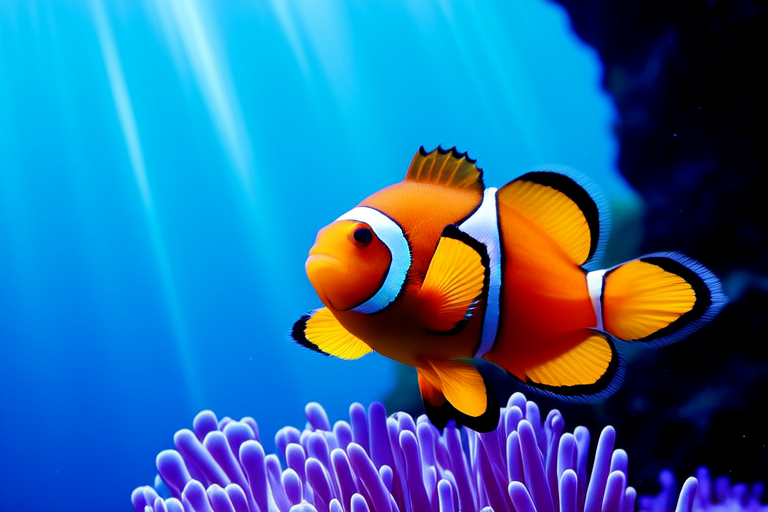
The most well-known fact about clownfish is their close relationship with sea anemones. This mutualistic partnership is one of nature’s most captivating examples of symbiosis. Clownfish live among the tentacles of sea anemones, which provide them with protection from predators. But why aren’t clownfish stung by the anemone’s venomous tentacles? It turns out that clownfish secrete a mucus layer on their skin that the anemone doesn’t recognize as prey. This adaptation allows them to coexist peacefully, and in return, the clownfish help to lure prey towards the anemone and keep it clean by eating parasites and dead tentacles. Can you imagine living so closely with another species without harming each other?
2. Clownfish Are Protandrous Hermaphrodites
One of the most surprising facts about clownfish is their reproductive strategy. They are protandrous hermaphrodites, meaning they start their lives as males and can later become females if necessary. In a clownfish community, the largest fish is usually the female, while the second-largest is the male. If something happens to the female, the male can change sex and take over the role of breeding. This adaptation ensures the survival of the species, but it also raises some interesting questions: Could this flexibility in gender roles be more common in the animal kingdom than we think?
3. Clownfish Exhibit Exceptional Parenting Skills
Clownfish are known for their diligent care of their eggs. The male clownfish takes the primary role in egg incubation, keeping the eggs safe from predators and harmful bacteria. He carefully fans the eggs with his fins to increase oxygen flow and even moves them around to prevent them from sticking together. This level of dedication is impressive, especially considering the potential danger of predation. What other animals do you know that exhibit such meticulous care for their offspring?
4. Clownfish Have a Distinctive Color Pattern
With their bright orange bodies and white stripes, clownfish are easily recognizable. But did you know that their color patterns can vary depending on their species? Some clownfish species have black or yellow stripes, and others may have different shades of orange. These color variations serve multiple purposes, including camouflage and communication within their social groups. The bright colors also play a role in attracting mates, making them stand out in their environment. How do you think these vibrant colors impact the clownfish’s interactions with other marine life?
5. Clownfish Are Native to the Warm Waters of the Indian and Pacific Oceans
Clownfish are found in the warm waters of the Indian and Pacific Oceans, particularly in coral reefs. They thrive in the tropical regions of the Indo-Pacific, from the Red Sea and the East African coast to the central Pacific islands. Their preference for coral reefs is due to the abundant food supply and shelter provided by the complex reef structures. However, as climate change continues to threaten coral reefs, the future of clownfish habitats is uncertain. What steps can we take to protect these vital ecosystems?
6. Clownfish Have a Complex Social Hierarchy
Clownfish live in small, hierarchical groups, typically consisting of a dominant breeding pair and several non-breeding members. Within these groups, there is a strict social order that helps maintain stability and reduces conflict. The breeding pair enjoys the highest status, followed by the next largest fish in the group, who acts as the backup breeder. The smaller fish, often juveniles, occupy the lowest ranks and are responsible for cleaning and feeding the anemone. This social structure is fascinating because it mirrors many human societies in its complexity and organization. How do you think these hierarchies develop, and what role does size play in determining rank?
7. Clownfish Can Change Their Body Size to Fit Their Environment
Clownfish have the remarkable ability to adjust their body size to fit their environment. Studies have shown that when clownfish are placed in larger tanks, they grow bigger, and when they are placed in smaller tanks, they stay smaller. This adaptability is crucial for their survival, as it allows them to maximize their space and resources. Imagine being able to change your size at will—how would that affect your daily life?
8. Clownfish Have a Highly Developed Sense of Smell
Clownfish rely heavily on their sense of smell to navigate their environment, find food, and locate their anemone homes. They can detect chemical signals from their surroundings, which helps them identify potential threats or opportunities. This heightened sense of smell is particularly useful in the dark, murky waters of coral reefs, where visibility can be limited. How do you think this acute sense of smell contributes to the clownfish’s survival in their complex underwater world?
9. Clownfish Are Omnivores with a Diverse Diet
Contrary to popular belief, clownfish are not strictly herbivorous; they are omnivores with a diverse diet. Their menu includes algae, zooplankton, and small crustaceans. This varied diet provides them with the nutrients they need to thrive in their environment. Interestingly, their diet can also influence their behavior and health. For example, clownfish that consume more zooplankton tend to be more aggressive and territorial. What does this tell us about the connection between diet and behavior in marine life?
10. Clownfish Can Swim Backwards
Perhaps one of the most impressive abilities of clownfish is their capability to swim backwards. This skill allows them to navigate through tight spaces and escape predators more effectively. While many fish can swim backwards to some extent, clownfish are particularly adept at it. This maneuverability is crucial for their survival in the bustling, crowded environment of coral reefs. How do you think this unique swimming ability evolved, and what advantages does it provide for clownfish?
In conclusion, clownfish are not just charming, colorful fish; they are also complex, adaptable creatures with fascinating behaviors and traits. From their symbiotic relationships with sea anemones to their ability to change their body size and swim backwards, clownfish continue to amaze and inspire us. As we learn more about these incredible fish, we gain a deeper appreciation for the intricate web of life in our oceans. Let’s continue to explore and celebrate the wonders of nature, and perhaps we’ll uncover even more surprising facts about clownfish and other marine species.
