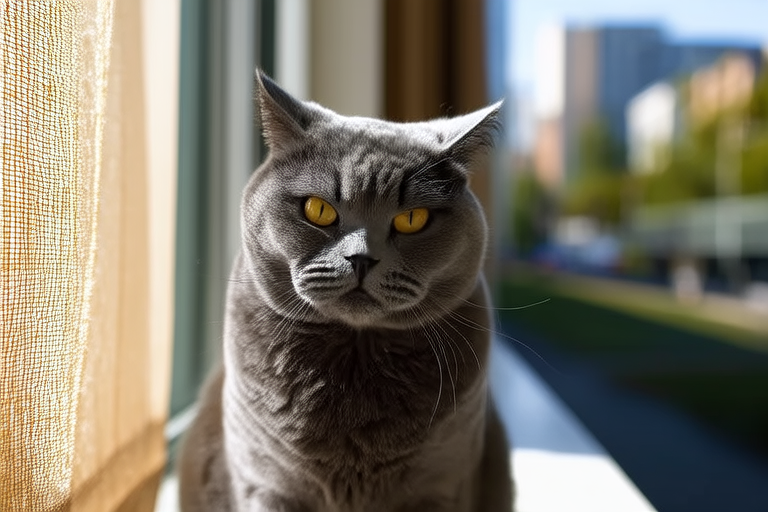
The Evolution of American Shorthair Cats: From Farm Cats to Urban Pets
The American Shorthair is one of the most beloved cat breeds in the United States, known for its adaptability, health, and friendly nature. This breed has a rich history that traces back to the early settlers of America, where these cats played a crucial role on farms. Over time, societal changes have transformed their role, making them increasingly popular as urban pets. This article explores the evolution of the American Shorthair, detailing their origins, key characteristics, and the reasons behind their enduring popularity.
Origins and Initial Roles on Farms
The American Shorthair can trace its roots back to the early 16th century when European settlers brought domestic cats with them to North America. These cats were essential companions on long sea voyages, serving as natural pest controllers. Upon arrival, they continued their role as rodent hunters on farms, protecting crops and livestock from vermin. Their robust physique and sharp hunting instincts made them invaluable assets to farmers.
The breed’s resilience and hardiness were honed through generations of selective breeding. Early settlers favored cats that could withstand harsh weather conditions and were adept at hunting. This selective breeding process gradually shaped the American Shorthair into a breed known for its strength, agility, and intelligence. By the late 19th century, these cats had become integral parts of rural communities, contributing significantly to agricultural productivity.
Societal Changes and Increasing Popularity in Urban Settings
The late 19th and early 20th centuries saw significant shifts in American society, including rapid urbanization and industrialization. As people moved from rural areas to cities, so did their pets. The American Shorthair, with its adaptable nature and gentle demeanor, found a new niche in urban environments.
Urbanization brought new challenges for pet owners, such as limited space and increased exposure to various health risks. The American Shorthair’s robust health and low-maintenance grooming needs made it an ideal choice for city dwellers. Additionally, their calm and sociable temperament allowed them to thrive in smaller living spaces, unlike some larger or more high-strung breeds.
The rise of the middle class during this period also contributed to the breed’s growing popularity. Middle-class families sought pets that were both functional and aesthetically pleasing. The American Shorthair’s attractive appearance, with its short, dense coat and wide variety of colors, appealed to many. Moreover, their reputation as reliable and affectionate companions enhanced their appeal among urban residents.
Key Characteristics Suited for City Life
The American Shorthair’s adaptability is one of its most striking features. They are highly adaptable to different environments, whether it be a spacious farmhouse or a small apartment. Their calm and even-tempered nature makes them excellent companions for busy city dwellers. They are not overly demanding and can adjust to varying schedules, making them ideal for households where family members work long hours.
Another characteristic that sets the American Shorthair apart is their intelligence. These cats are quick learners and enjoy interactive play. Owners often find that their American Shorthairs are curious and playful, always eager to engage in new activities. This intelligence also manifests in their problem-solving abilities, allowing them to navigate their surroundings efficiently.
Health-wise, the American Shorthair is generally a healthy breed with few genetic predispositions to serious ailments. Their robust constitution is a result of centuries of selective breeding, ensuring that they can withstand various environmental stresses. This robustness is particularly beneficial in urban settings, where pets may be exposed to a wider range of potential health hazards.
Notable Shifts in Breeding and Public Perception
The 20th century marked significant advancements in the breeding and recognition of the American Shorthair. In 1906, the Cat Fanciers’ Association (CFA) was established, and the American Shorthair was among the first breeds to gain championship status. This recognition helped elevate the breed’s profile and encouraged more structured breeding practices.
During the mid-20th century, there was a concerted effort to refine the breed’s physical characteristics while maintaining its inherent qualities. Breeders focused on enhancing the American Shorthair’s muscular build, broad head, and expressive eyes. This attention to detail resulted in a breed that is both visually appealing and physically strong.
The American Shorthair’s reputation as a family-friendly companion also solidified during this period. Public perception shifted towards viewing cats as more than just pest controllers; they became valued members of the household. This change was reflected in literature, art, and media, where the American Shorthair was often portrayed as a loving and loyal pet. This positive portrayal further boosted the breed’s popularity, especially among families looking for a pet that could integrate seamlessly into their lives.
Current Status as Popular Urban Favorites
In modern times, the American Shorthair continues to be a favorite among cat enthusiasts and pet owners alike. Their enduring popularity can be attributed to several factors, including their adaptability, health, and friendly nature. These cats are well-suited for the fast-paced lifestyle of urban environments, thriving in apartments and condominiums.
One reason for their continued success is the breed’s versatility. American Shorthairs can coexist harmoniously with other pets, including dogs, and are generally good with children. This compatibility makes them ideal for multi-pet households and families with young children. Their sociable nature also extends to interactions with their human companions, forming strong bonds with their owners.
Moreover, the American Shorthair’s intelligence and curiosity make them enjoyable companions. They are always ready to participate in games and activities, keeping owners entertained. Their low-maintenance grooming requirements are another plus, as they require only occasional brushing to maintain their coat’s shine and health.
Despite their popularity, the American Shorthair remains true to its roots. Breeders continue to prioritize the breed’s original traits, ensuring that future generations retain their hardiness and hunting instincts. This commitment to preserving the breed’s heritage while adapting to modern lifestyles has been key to their ongoing success.
In conclusion, the American Shorthair’s journey from farm cats to beloved urban pets is a testament to their adaptability and enduring appeal. Their role has evolved over time, but their core attributes—health, intelligence, and sociability—remain unchanged. Today, the American Shorthair continues to thrive in modern homes, cherished for their companionship and loyalty. As society continues to evolve, it is likely that these resilient and endearing cats will remain a favorite among cat lovers for generations to come.
