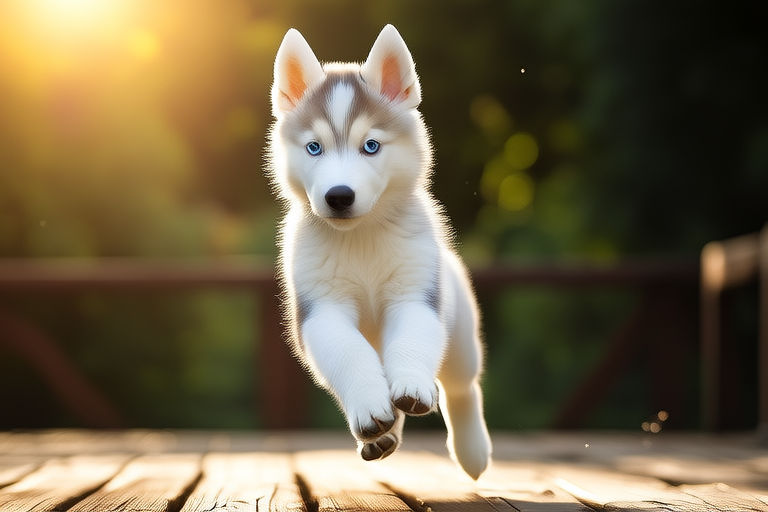
The Ultimate Guide to Training Your Energetic Siberian Husky Pup
Welcome to the world of Siberian Huskies! These majestic and energetic dogs are full of life, making them a joy to own but also requiring careful training. This guide will walk you through everything you need to know about training your Siberian Husky pup, from understanding their unique traits to mastering basic obedience commands and managing their high energy levels.
Understanding Siberian Huskies: Unique Traits and Temperament
Siberian Huskies are descendants of working sled dogs, bred for stamina and endurance. They are intelligent, independent, and highly social animals. Their strong prey drive, tendency to wander, and high energy levels make them a challenge for novice dog owners. However, with the right approach, you can turn these traits into strengths.
Expert Insight: “Siberian Huskies are pack-oriented dogs who thrive on companionship,” says Dr. Sarah Thompson, a canine behaviorist. “They need consistent leadership and clear boundaries to feel secure.”
Establishing a Routine for Training
A structured routine is crucial for any dog’s development, especially for high-energy breeds like Siberian Huskies. Consistency helps establish trust and predictability, which are vital for effective training.
- Set a Schedule: Plan regular feeding times, play sessions, and potty breaks. Stick to this schedule as closely as possible.
- Designate a Training Area: Choose a quiet space where your pup can focus without distractions.
- Limit Distractions: Keep training sessions short (10-15 minutes) and gradually increase duration as your pup progresses.
Basic Obedience Commands
Start with simple commands that build a foundation for more complex tasks. Use positive reinforcement, such as treats and praise, to encourage desired behaviors.
- Stay: Teach your pup to remain in one place while you move away. Begin by asking them to sit or lie down, then take a step back while saying “stay.” Reward them for remaining in position.
- Leave It: This command prevents your dog from grabbing forbidden items. Place a treat on the ground and cover it with your hand. Say “leave it” and wait for your pup to stop sniffing. Once they show interest elsewhere, remove your hand and give the treat.
- Drop It: Useful for retrieving toys or preventing resource guarding. Encourage your dog to drop objects by offering a more appealing item in exchange.
Actionable Tip: Practice commands in different environments to ensure your pup generalizes learned behaviors.
Managing High Energy Levels
Siberian Huskies require substantial exercise to maintain physical and mental health. Without adequate stimulation, they may become destructive or exhibit undesirable behaviors.
- Exercise Regularly: Aim for at least two hours of daily activity, including walks, runs, or interactive games.
- Provide Mental Stimulation: Puzzle toys, scent work, and agility courses engage your dog’s mind while burning excess energy.
- Consider Professional Help: If your dog’s energy remains unmanageable, consult a professional trainer or behaviorist.
Expert Insight: “Physical exertion is key to reducing unwanted behaviors,” notes Dr. Thompson. “A tired dog is often a well-behaved one.”
Socialization Techniques
Siberian Huskies are social animals who enjoy interacting with people and other dogs. Proper socialization ensures your pup grows up confident and friendly.
- Expose Early: Introduce your puppy to various environments, sounds, and people during the critical socialization period (8-16 weeks).
- Encourage Positive Interactions: Provide treats and praise when your pup behaves well around others.
- Supervise Play: Monitor interactions between your dog and unfamiliar animals to prevent conflicts.
Actionable Tip: Join local dog parks or training classes where your pup can meet new friends under controlled conditions.
Tips for Handling Common Behavioral Issues
Despite your best efforts, some challenges may arise during training. Here’s how to address common problems:
- Barking: Ignore attention-seeking barks; reward silence instead. Teach alternative behaviors like fetching or sitting.
- Destructive Chewing: Redirect chewing to appropriate toys. Offer alternatives like rawhide bones or dental chews.
- Escaping: Secure your yard with fencing designed to deter digging or jumping. Consider using motion-activated deterrents.
Expert Insight: “Consistent reinforcement is crucial,” advises Dr. Thompson. “Praise good behavior immediately and ignore bad behavior unless safety is compromised.”
Maintaining Consistency and Patience
Training takes time and effort. Stay patient and committed to the process. Celebrate small victories along the way!
- Be Consistent: All family members should follow the same rules and routines.
- Stay Positive: Focus on rewarding desired behaviors rather than punishing mistakes.
- Seek Professional Advice: Consult trainers or behaviorists if you encounter persistent issues.
Final Thoughts: Training your Siberian Husky pup requires dedication and creativity. By understanding their unique needs and employing positive reinforcement techniques, you’ll create a happy, well-adjusted companion. Remember, every dog is different, so tailor your approach accordingly. With love, patience, and persistence, you’ll build a strong bond with your Siberian Husky and enjoy many years of companionship.
