Dutch Dwarf Rabbits Unveiled: What Every New Owner Needs to Know
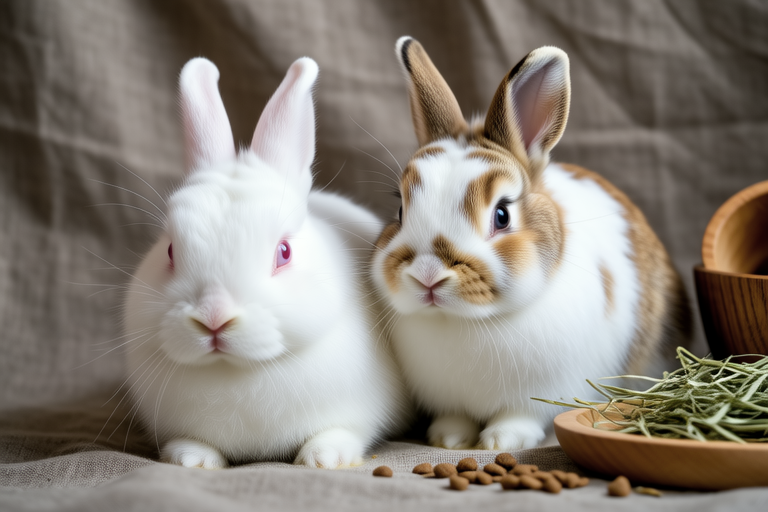
Welcome to the delightful world of Dutch Dwarf rabbits! These charming creatures have captured the hearts of many rabbit enthusiasts around the globe. Known for their compact size, striking appearance, and friendly demeanor, Dutch Dwarfs are a popular choice among both first-time and experienced pet owners. Their distinctive coloring, with bold white markings against a contrasting background color, makes them instantly recognizable. This guide will help you understand everything you need to know about owning a Dutch Dwarf rabbit, from their origins to their care and training.
Origins of Dutch Dwarf Rabbits
The history of Dutch Dwarfs can be traced back to the early 20th century in Holland, where they were developed by crossing various small breeds such as the Netherland Dwarf and the Polish rabbit. The aim was to create a breed that combined the compact size of the Netherland Dwarf with the color pattern of the Dutch rabbit. Over time, these rabbits became known for their playful nature and appealing looks, eventually gaining recognition from rabbit fanciers worldwide.
Ideal Living Conditions
Dutch Dwarfs thrive in environments that cater to their natural behaviors and provide ample space for exercise. They require a spacious indoor or outdoor hutch that allows them to move around freely. Ensure the hutch has adequate ventilation, protection from extreme weather, and a secure latch to prevent escapes. Adding tunnels, toys, and hiding spots can enrich their environment, stimulating mental and physical activity. Additionally, providing a litter box inside the hutch helps maintain cleanliness.
Dietary Needs
A well-balanced diet is crucial for the health and longevity of your Dutch Dwarf rabbit. Their primary food source should be high-quality hay, which aids digestion and keeps their teeth healthy. Supplement this with a measured amount of pellets formulated for dwarf breeds. Fresh vegetables and fruits can be offered in moderation, but avoid feeding too much of any single item. Always introduce new foods gradually to prevent digestive upset.
Grooming Requirements
Dutch Dwarfs have short, dense fur that requires regular brushing to remove loose hair and prevent matting. Brushing also helps reduce the risk of hairballs, especially during shedding seasons. Bathing should only be done if absolutely necessary, as it can stress the rabbit and strip their coat of natural oils. Pay special attention to their nails, trimming them regularly to prevent overgrowth and discomfort. Cleaning their ears and checking for signs of infection are also important parts of their grooming routine.
Common Health Issues
Like all pets, Dutch Dwarfs can face certain health challenges. One common issue is dental problems, which can arise from poor diet or genetics. Regular veterinary check-ups can help catch and address these issues early. Other potential concerns include respiratory infections, especially in poorly ventilated environments, and gastrointestinal stasis, often linked to stress or dietary imbalances. Maintaining a clean living area and a consistent feeding schedule can help mitigate these risks.
Tips for Handling and Training
Handling your Dutch Dwarf rabbit gently and consistently helps build trust and strengthens your bond. When picking them up, support their hindquarters to prevent injury. Training can include simple commands like coming when called or sitting still for grooming. Positive reinforcement, using treats and praise, is highly effective. Socialization from a young age encourages friendly behavior towards humans and other pets.
Choosing the Right Veterinarian
Selecting a knowledgeable veterinarian who specializes in exotic pets is essential for your rabbit’s health. Look for someone experienced in treating rabbits, familiar with their specific medical needs, and accessible for regular check-ups and emergencies. Building a relationship with your vet ensures prompt and effective care when needed.
Resources for Further Learning
Becoming an informed owner involves continuous learning. Books, magazines, and online forums dedicated to rabbit care offer valuable insights and community support. Joining local rabbit clubs or attending workshops can also provide practical knowledge and networking opportunities. Engaging with these resources helps ensure your Dutch Dwarf rabbit enjoys a happy and healthy life.
