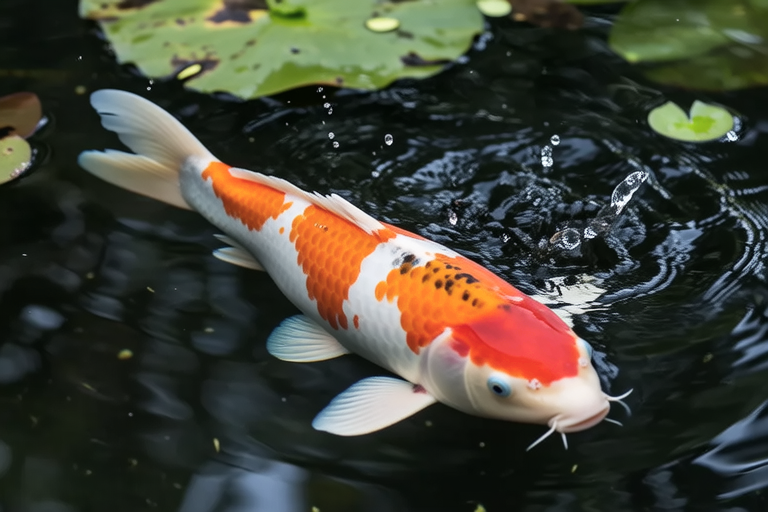
Top 10 Secrets for Keeping Your Koi Healthy and Happy
Koi fish are not just a beautiful addition to your garden; they also bring a sense of tranquility and joy. However, maintaining their health and happiness requires careful attention to several key factors. Here are the top 10 secrets to ensure your koi live long, healthy lives.
1. Optimal Water Quality Maintenance
Water quality is crucial for the well-being of koi. Poor water quality can lead to various health issues, including infections and diseases. To maintain optimal water quality, you should:
- Aerate the Pond: Oxygen is essential for koi’s respiration. Install an aerator or fountain to keep the water oxygenated.
- Regular Water Changes: Perform weekly partial water changes to remove toxins and replenish essential minerals.
- Monitor pH Levels: Maintain a stable pH level between 7.2 and 8.0. Use a pH test kit to check and adjust if necessary.
- Test for Ammonia, Nitrite, and Nitrate: High levels of these compounds can be harmful. Keep ammonia at 0 ppm, nitrite below 0.5 ppm, and nitrate under 50 ppm.
2. Suitable Diet Recommendations
Proper nutrition is vital for koi’s growth and health. Feed them a balanced diet that includes:
- High-Quality Pellets: Choose pellets specifically formulated for koi. They should contain high-quality proteins and essential vitamins and minerals.
- Varied Diet: Occasionally offer treats like freeze-dried bloodworms, brine shrimp, and vegetable matter such as zucchini and peas.
- Portion Control: Feed koi only what they can consume within five minutes to prevent overfeeding and water pollution.
- Seasonal Adjustments: Reduce feeding during colder months when koi become less active.
3. Appropriate Pond Filtration Systems
A well-designed filtration system is essential for removing debris, waste, and excess nutrients from the pond. Consider the following:
- Mechanical Filtration: This removes large particles like leaves and uneaten food.
- Biological Filtration: Supports beneficial bacteria that convert harmful ammonia into less toxic substances.
- Chemical Filtration: Helps eliminate dissolved organic compounds and medications.
- Regular Cleaning: Clean filters regularly to maintain efficiency. Follow manufacturer guidelines for cleaning schedules.
4. Protection from Predators
Predators can pose a significant threat to koi, especially in outdoor ponds. Protect your koi by:
- Nighttime Netting: Cover the pond at night to deter nocturnal predators.
- Physical Barriers: Install netting or fencing around the pond perimeter.
- Sound Deterrents: Use motion-activated sprinklers or alarms to scare away potential predators.
- Proximity to Shelter: Provide hiding spots such as rocks, plants, or artificial shelters.
5. Proper Temperature Control
Koi thrive in water temperatures ranging from 68°F to 82°F (20°C to 28°C). Extreme temperatures can stress fish and affect their immune systems. To maintain ideal temperatures:
- Shade: Plant trees or install pond covers to provide shade during hot summer days.
- Heaters: In colder climates, use heaters to maintain minimum temperatures above 50°F (10°C).
- Avoid Sudden Changes: Gradually acclimate koi to temperature changes by adjusting heater settings slowly.
6. Beneficial Plant Integration
Plants offer numerous benefits for koi ponds, including oxygenation, filtration, and hiding spots. Consider adding:
- Oxygenating Plants: Such as hornwort, anacharis, and cabomba.
- Surface Plants: Like water hyacinth and water lettuce to reduce sunlight penetration.
- Beneficial Bacteria Hosts: Plants like water lilies and lotus provide surfaces for beneficial bacteria to grow.
- Decorative Plants: Enhance the aesthetic appeal while providing additional shelter.
7. Regular Health Checks
Regularly inspect your koi for signs of illness or injury. Early detection can prevent serious health issues. Look for:
- Frequent Swimming Patterns: Fish should swim normally. Erratic swimming could indicate distress.
- Coloration: Pale or discolored areas might suggest disease.
- Behavioral Changes: Loss of appetite, lethargy, or excessive scratching against objects may signal problems.
- Consult Professionals: If you notice any concerning symptoms, consult a veterinarian specializing in aquatic animals.
8. Stress Reduction Techniques
Stress can weaken koi’s immune systems, making them more susceptible to diseases. Minimize stress by:
- Consistent Environment: Avoid sudden changes in water chemistry or temperature.
- Quiet Pond: Reduce noise pollution from nearby activities.
- Minimal Handling: Limit handling to only when necessary, such as during health checks.
- Safe Transport: If moving koi, use appropriate containers and maintain proper water conditions.
9. Effective Parasite Prevention
Parasites can cause significant harm to koi. Prevent infestations by:
- Regular Inspections: Check koi frequently for signs of parasites, such as white spots or excessive mucus production.
- Proper Quarantine: Isolate new arrivals for at least two weeks before introducing them to the main pond.
- Medications: Use treatments specifically designed for koi if an infestation occurs. Follow instructions carefully.
- Improve Pond Conditions: Good water quality and overall pond health can help koi resist parasites.
10. Social Environment Considerations
Koi are social creatures that benefit from companionship. Ensure they have:
- Appropriate Stocking Density: Do not overcrowd the pond. Aim for one koi per 10 square feet of surface area.
- Compatible Species: Introduce species that coexist peacefully.
- Spacious Areas: Provide ample space for swimming and interacting.
- Establish Hierarchy: Allow natural hierarchies to develop without interference.
By following these top 10 secrets, you can create an ideal environment for your koi, ensuring they remain healthy and happy. Remember, maintaining a healthy pond ecosystem requires ongoing effort and attention to detail. With dedication, you can enjoy the beauty and tranquility of your koi for years to come.
