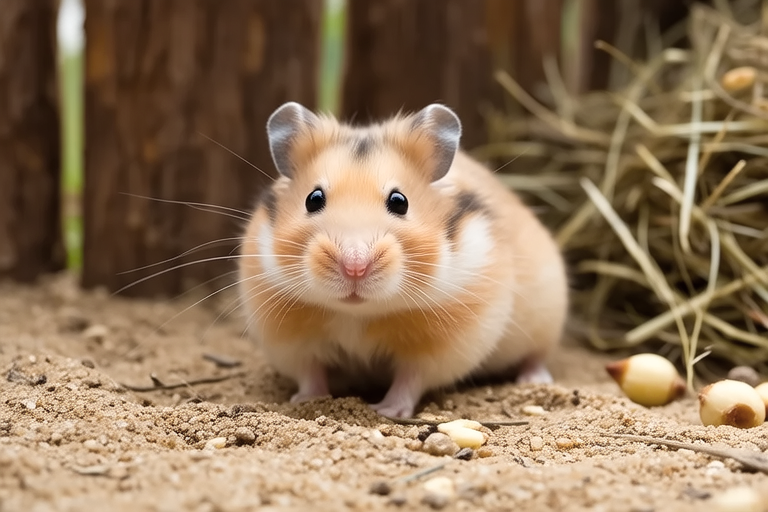
Tiny but Mighty: Discovering the Charm of Roborovski Hamsters
When it comes to small, adorable pets, Roborovski hamsters are often overlooked in favor of more commonly known species like Syrian or dwarf hamsters. However, these tiny creatures have a lot to offer, making them an excellent choice for those looking for a compact, low-maintenance, and highly entertaining pet. In this article, we will explore the unique characteristics, care requirements, and endearing behaviors of Roborovski hamsters, providing valuable insights for both current and prospective owners.
The Smallest Hamster Species
Roborovski hamsters (Phodopus roborovskii) are the smallest species of hamsters, typically measuring between 4 to 5 centimeters (1.6 to 2 inches) in length, excluding their tail. Their diminutive size makes them incredibly cute and easy to handle, though their small stature also means that they require careful handling to avoid accidental injury. Despite their tiny frame, Roborovski hamsters are surprisingly active and energetic, often darting around their enclosures at high speeds.
A Long Lifespan for Such Small Creatures
For such small animals, Roborovski hamsters have a relatively long lifespan compared to other rodent species. They can live up to three years if well cared for, which is a significant period for a creature of their size. This longevity allows owners to form lasting bonds with their pets and enjoy their company for several years.
Dietary Needs: Nourishing the Tiny Titans
Roborovski hamsters thrive on a diet rich in nutrients, which includes a mix of seeds, pellets, and fresh vegetables. High-quality commercial hamster food, specifically formulated for Roborovski hamsters, provides essential vitamins and minerals necessary for their health. Fresh vegetables such as carrots, broccoli, and spinach can be offered in moderation as treats. It’s important to avoid feeding them foods high in sugar or fat, as these can lead to obesity and other health issues.
In addition to their regular diet, Roborovski hamsters benefit from occasional protein sources like mealworms or boiled eggs. These additions provide the extra nutrients needed for their active lifestyle. Always ensure that their water supply is clean and fresh, as dehydration can be dangerous for these small creatures.
Exercise Habits: Keeping Them Active
Given their high energy levels, Roborovski hamsters need plenty of opportunities to exercise. A spacious cage with multiple levels and tunnels is ideal for them to run, climb, and explore. Additionally, providing toys such as wheels, chew sticks, and tunnels encourages physical activity and mental stimulation.
It’s crucial to choose a wheel that is safe for their tiny legs; many hamster wheels sold in stores may not be suitable for Roborovski hamsters due to their smaller size. Opt for a solid-surface wheel to prevent injuries from their feet getting caught in gaps. Regular exercise helps maintain their muscle tone and overall health, reducing the risk of obesity and related health problems.
Interacting with Humans: Building Trust and Bonding
While Roborovski hamsters are generally shy and cautious, they can develop strong bonds with their owners with consistent and gentle handling. To build trust, start by placing your hand inside their enclosure and allowing them to become accustomed to your scent. Gradually, you can encourage them to come out and explore your hand.
Once they feel comfortable, you can begin to hold them gently, supporting their body with both hands. It’s important to handle them carefully, as their delicate size requires extra caution. With time and patience, Roborovski hamsters can become quite affectionate, enjoying quiet moments with their human companions.
Care Tips for New Owners
If you’re considering adopting a Roborovski hamster, there are several things to keep in mind:
- Choose the Right Cage: A large, multi-level cage with enough space for running and exploring is essential. Avoid overcrowding the cage, as this can lead to stress and aggression.
- Provide Adequate Toys: Stimulating toys and accessories help keep them mentally engaged and physically active. Rotate toys periodically to prevent boredom.
- Handle Gently: Always support their body when holding them and avoid sudden movements that might startle them.
- Monitor Health: Regularly check for signs of illness, such as lethargy, loss of appetite, or changes in behavior. Early intervention is key to maintaining their health.
Busting Myths About Roborovski Hamsters
There are several misconceptions surrounding Roborovski hamsters that are worth addressing:
- Myth: They Are Nocturnal and Don’t Interact Much. While Roborovski hamsters are primarily nocturnal, they can still interact with their owners during the day, especially if given sufficient rest at night. With proper handling and bonding, they can become quite social and affectionate.
- Myth: They Are Too Small to Handle. While their small size does require careful handling, Roborovski hamsters can be safely held and interacted with, provided their owner takes precautions and uses gentle techniques.
- Myth: They Require Minimal Care. Although Roborovski hamsters are generally low-maintenance, they still require proper nutrition, regular exercise, and a clean living environment to thrive.
Conclusion
Roborovski hamsters are a delightful choice for pet lovers seeking a unique, low-maintenance companion. Their tiny size, combined with their energetic and playful nature, makes them a joy to watch and interact with. By understanding their specific care requirements and providing a nurturing environment, owners can ensure that their Roborovski hamsters lead happy, healthy lives. Whether you’re a seasoned pet owner or new to the world of hamsters, these charming little creatures are sure to bring endless entertainment and companionship into your home.
