Chilean Rose Tarantula Care Guide: Everything You Need to Know Before Adopting
The Chilean rose tarantula (Grammostola rosea) is one of the most popular species among tarantula enthusiasts due to its docile nature and striking appearance. This care guide will provide you with all the essential information you need to ensure your Chilean rose tarantula thrives in captivity. From understanding their behavior and setting up the perfect habitat to feeding and handling them safely, this guide aims to equip you with everything necessary before adopting one of these fascinating creatures.
Introduction to the Chilean Rose Tarantula
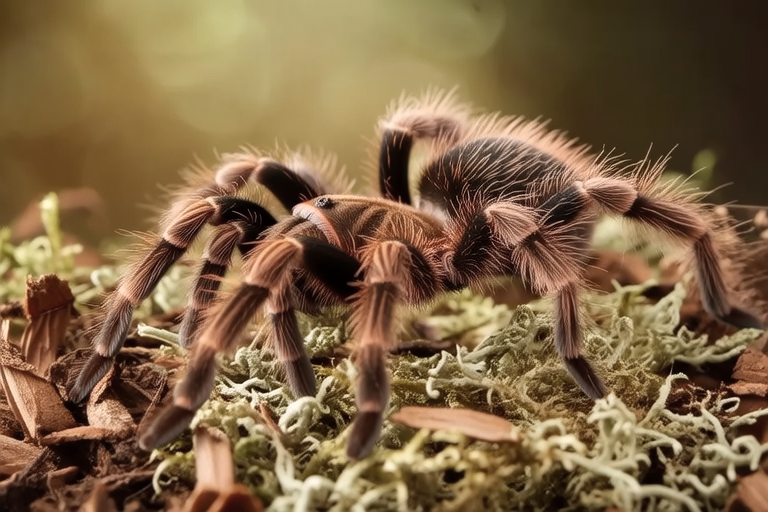
The Chilean rose tarantula is a medium-sized tarantula that typically reaches a leg span of around 4 to 6 inches. Their body color ranges from light brown to pinkish hues, which gives them their distinctive name. These spiders have robust bodies and long legs, making them visually appealing pets. They are known for their calm demeanor, making them ideal for beginners who want to experience the joy of owning a spider without dealing with aggressive tendencies.
Common behaviors include burrowing, where they create tunnels in their substrate to hide and rest. They are generally nocturnal, meaning they are more active during the night. During the day, they often remain hidden in their burrows, only emerging when it’s time to feed or explore their surroundings. Their docility also makes them relatively easy to handle compared to other tarantula species, though caution should always be exercised when interacting with any arachnid.
Setting Up the Perfect Habitat
Tank Size
For a single adult Chilean rose tarantula, a 10-gallon aquarium or terrarium is sufficient. The enclosure should be tall enough to allow for vertical climbing, as these spiders enjoy climbing occasionally. Ensure that the tank has secure ventilation to prevent drafts but still maintains proper air circulation.
Substrate
Adequate substrate is crucial for mimicking their natural environment and providing a comfortable living space. A mix of coconut fiber, peat moss, and vermiculite works well. This combination helps retain moisture while allowing for good drainage. The substrate should be at least three to four inches deep to accommodate burrowing behavior.
Temperature and Humidity
Maintaining optimal temperature and humidity levels is vital for the health of your tarantula. Aim for daytime temperatures between 75°F and 85°F (24°C to 29°C). At night, temperatures can drop slightly to around 70°F (21°C). Use a digital thermometer placed inside the tank to monitor these conditions accurately.
Humidity levels should be kept between 60% and 80%. This can be achieved by misting the enclosure daily or using a hygrometer to measure humidity levels and adjust accordingly. Avoid over-misting, as excessive moisture can lead to mold growth.
Lighting Requirements
Chilean rose tarantulas do not require UVB lighting. However, providing a low-wattage red bulb or a night light can help you observe their nocturnal activities without disturbing their sleep cycle. Always ensure that any lighting source does not overheat the enclosure.
Feeding Habits
Prey Options
Chilean rose tarantulas are carnivorous and primarily feed on insects such as crickets, mealworms, and dubia roaches. It’s important to offer appropriately sized prey; juvenile tarantulas can eat small crickets, while adults can handle larger prey items. Gut-loading the prey with nutritious foods like fruits, vegetables, and commercial cricket food ensures your tarantula receives a balanced diet.
Frequency
Feed your tarantula once every seven to ten days. Younger tarantulas may require more frequent feedings, whereas adults can thrive on less frequent meals. Always remove uneaten prey after a few hours to prevent stress or injury to your pet.
Handling and Safety Tips
While Chilean rose tarantulas are generally docile, they can become defensive if provoked. Always handle them gently and with respect. Using a plastic container or cup to scoop them up is recommended rather than picking them up directly with your hands. Be cautious not to squeeze or apply pressure, as this could harm the delicate exoskeleton.
If bitten, a Chilean rose tarantula’s venom is not considered dangerous to humans. However, some individuals may experience mild irritation or allergic reactions. Washing the bite area thoroughly and seeking medical attention if necessary is advisable.
Common Health Issues and Signs of Illness
Like any pet, Chilean rose tarantulas can suffer from various health issues. Some common problems include dehydration, mites, and molting complications. Dehydration manifests through dry skin and lethargy, while mites cause visible irritation and loss of appetite. During molting, keep a close eye on your tarantula to ensure the process completes successfully without complications.
Signs of illness include decreased activity, refusal to eat, abnormal shedding, and changes in behavior. If you notice any of these symptoms, consult a veterinarian specializing in exotic animals for diagnosis and treatment.
Sourcing a Healthy Tarantula
When looking to adopt a Chilean rose tarantula, sourcing from reputable breeders or sellers is crucial. Reputable sources prioritize the welfare of their animals and maintain high standards for breeding practices. Look for sellers who provide detailed information about the spider’s history, age, and health status. Avoid purchasing from unverified online listings or pet stores that lack transparency regarding their stock.
Before bringing your new tarantula home, inspect the enclosure carefully for cleanliness and proper setup. Ensure that all necessary equipment, such as heating elements and substrates, are in place. Proper preparation ensures a smooth transition for both you and your pet.
