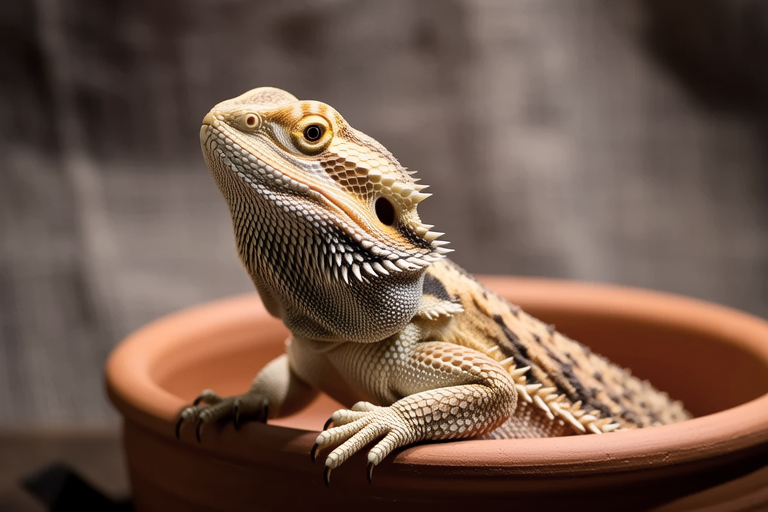
Welcome to the World of Bearded Dragons!
Bearded dragons make fantastic pets for reptile enthusiasts. They’re friendly, hardy, and relatively low-maintenance. However, they still require a significant commitment from their owners. This guide will walk you through everything you need to know about setting up your bearded dragon’s home, keeping them healthy, and providing proper care.
The Commitment Required
Owning a bearded dragon is a long-term commitment. These lizards can live up to 10 years, so it’s essential to understand that you’ll be caring for your pet for quite some time. It’s crucial to be prepared for the financial and time investment required. Setting up a suitable habitat and maintaining it properly is vital for your dragon’s health and happiness.
Habitat Setup
Tank Size
A 40-gallon breeder tank is ideal for an adult bearded dragon. The length of the tank should be at least two times the dragon’s total length, and the height should be at least one and a half times its length. For hatchlings and juveniles, a 20-gallon tank will suffice until they grow larger.
Lighting
Proper lighting is crucial for your bearded dragon’s well-being. You’ll need a UVB light that provides 10-12 hours of daily exposure. A basking spot with temperatures between 95-110°F (35-43°C) should be provided. A thermometer and hygrometer are necessary to monitor the temperature and humidity levels accurately. Avoid placing the tank in direct sunlight or near windows as it can cause overheating.
Temperature Gradients
Bearded dragons require a thermal gradient within their enclosure. One end should be warm, around 95-110°F (35-43°C), while the cooler side should be around 75-85°F (24-29°C). This allows them to regulate their body temperature by moving between the warmer and cooler areas. Use a digital thermometer to ensure accurate readings.
Substrate
Choosing the right substrate is important. Avoid loose substrates like sand, which can lead to impaction if ingested. Instead, opt for paper towels, reptile carpet, or eco-friendly substrates designed specifically for reptiles. These options are safer and easier to clean.
Diet
Types of Food
Bearded dragons are omnivorous, meaning they eat both plants and animals. Their diet should consist of 80% vegetables and fruits, and 20% insects. Offer a variety of vegetables such as collard greens, mustard greens, and squash. Fruits like berries and melons can be given sparingly. For protein, feed crickets, dubia roaches, and mealworms. Gut-loading the insects with nutritious food before feeding them to your dragon ensures they get maximum benefit.
Feeding Schedules
Feed your dragon every day when it’s young, but reduce the frequency as it grows older. Juveniles should eat twice daily, while adults can be fed once a day. Always provide fresh water in a shallow dish. Clean and refill the water dish daily to prevent bacterial growth.
Handling and Socialization Tips
Bearded dragons can become tame and enjoy gentle handling. Start by letting your dragon explore your hand in its enclosure. Gradually increase the time spent outside the tank under close supervision. Never handle your dragon roughly or force it into your hands. Always support its body and avoid lifting it by its tail.
Common Health Issues
Metabolic bone disease (MBD) is a serious condition caused by calcium deficiency. Signs include swollen limbs, soft jaw, and lethargy. MBD can be prevented by ensuring your dragon has access to UVB lighting and a balanced diet rich in calcium. Impaction occurs when your dragon eats substrate or indigestible material. Symptoms include loss of appetite, bloating, and straining. Prevent impaction by using safe substrates and avoiding loose materials in the enclosure.
Signs of Distress
Bearded dragons have distinct behaviors when they’re stressed or unwell. If your dragon appears lethargic, has sunken eyes, or refuses food, it may be ill. Other signs include labored breathing, swelling, or discharge from the mouth or nose. If you notice any of these symptoms, consult a veterinarian specializing in reptiles immediately.
Regular Care Routines
Cleaning
Regular cleaning is essential for maintaining a healthy environment. Spot-clean the enclosure daily, removing uneaten food and waste. Deep clean the tank weekly, washing all surfaces with a reptile-safe disinfectant and rinsing thoroughly. Replace the substrate entirely when necessary.
Hygiene
Wash your hands before and after handling your dragon or cleaning its enclosure. This prevents the spread of bacteria and keeps both you and your pet healthy. Use a mild soap and water, then rinse thoroughly and dry your hands before touching your dragon again.
Myths Debunked
Bearded Dragons Don’t Need UVB Lighting
This is false. UVB lighting is essential for calcium absorption and overall health. Without it, your dragon could develop metabolic bone disease. Ensure your UVB bulb is the correct strength for your dragon’s age and species.
Bearded Dragons Can Survive on Insects Alone
This is another misconception. Bearded dragons need a balanced diet that includes vegetables and fruits. Insects alone won’t provide the necessary nutrients for optimal health.
Bearded Dragons Can Live in a Small Enclosure
Small enclosures restrict movement and can lead to behavioral problems. Providing ample space allows your dragon to exercise and explore, promoting physical and mental well-being.
Conclusion
Owning a bearded dragon is a rewarding experience that requires dedication and knowledge. By following this guide, you’ll be well-equipped to provide a happy and healthy life for your scaly friend. Remember, every bearded dragon is unique, so observe your pet closely and adjust care as needed. Enjoy your journey with your new companion!
