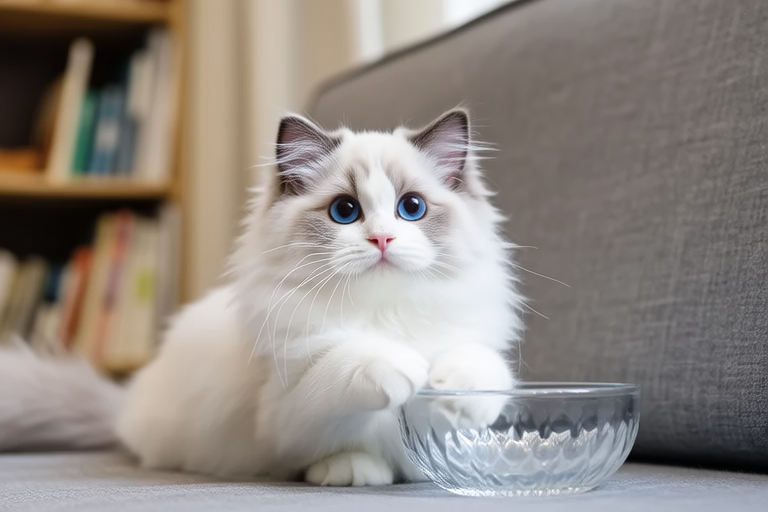
Adorable Fluffballs: How to Care for Your Persian Cat Like a Pro
Persian cats have long been cherished for their elegant appearance and gentle demeanor. With their luxurious, long coats and expressive blue or copper eyes, they are often considered one of the most beautiful breeds. Their charming personalities make them beloved companions in many households. This guide will walk you through how to care for your Persian cat like a pro, ensuring they live a healthy and happy life.
The Unique Charm and Characteristics of Persian Cats
Persians are known for their regal appearance and calm, affectionate nature. They tend to be quieter than other breeds, making them ideal for homes where peace and quiet are valued. These cats love to be close to their human companions and enjoy lounging around the house. Their long, silky coats require regular grooming, but the effort is well worth it when you see their beautiful appearance.
Proper Grooming Techniques to Manage Their Long Fur
Grooming a Persian cat is essential to maintain their coat’s beauty and prevent matting. Brushing should be done daily to remove loose hair and distribute natural oils throughout the coat. Use a slicker brush followed by a comb to detangle any knots. Bathing should be done every four to six weeks, using a gentle, pH-balanced shampoo. After bathing, thoroughly dry your cat with towels or a blow dryer set on low heat. Always ensure your cat is comfortable during grooming sessions to avoid stress.
Dietary Needs Tailored for Their Health
Persians have specific dietary requirements to support their overall health. A balanced diet rich in proteins, fats, vitamins, and minerals is crucial. Choose high-quality cat food that meets the nutritional standards set by organizations like AAFCO. Avoid feeding them table scraps, as these can lead to obesity and other health issues. Fresh water should always be available. Consult with your veterinarian to determine the best diet for your Persian based on age, weight, and activity level.
Suitable Living Environments
Persians thrive in calm, clean environments. Provide them with plenty of cozy spaces to rest, such as soft beds and blankets. Their long coats can get dirty easily, so keep areas where they spend time free of dust and debris. Persian cats are not particularly active, so they don’t need large spaces to roam. However, they do appreciate vertical spaces like cat trees and shelves for climbing and perching.
Exercise Recommendations
Despite their relatively inactive lifestyle, Persians still need regular exercise to stay healthy. Interactive toys like feather wands or laser pointers can stimulate their minds and bodies. Puzzle feeders are also great for mental stimulation. Consider setting aside time each day for play sessions to strengthen the bond between you and your cat.
Common Health Issues
Persians are prone to certain health issues due to their genetic makeup. Polycystic kidney disease (PKD) is a hereditary condition that can affect their kidneys. Regular veterinary check-ups are essential to monitor their health and catch any potential issues early. Other conditions include respiratory problems due to their flattened faces, dental issues, and urinary tract infections. Early intervention can significantly improve their quality of life.
Tips for Socializing These Affectionate Pets
Persians are generally friendly and enjoy human interaction. Early socialization helps them become comfortable around people and other animals. Introduce them gradually to new environments and experiences. Encourage gentle handling and positive reinforcement to build trust. Spend quality time with your cat daily to foster a strong bond.
Building a Strong Bond and Understanding Your Persian Cat’s Behavior
Understanding your Persian cat’s behavior is key to maintaining a strong bond. Persians are known for their independent yet affectionate nature. They may not be as vocal as some other breeds, but they communicate through body language and subtle sounds. Pay attention to their preferences and routines to anticipate their needs. Regular play and grooming sessions provide opportunities for bonding and building trust.
In conclusion, caring for a Persian cat requires dedication and attention to detail. By following the guidelines outlined in this article, you can ensure your Persian lives a long, healthy, and happy life. Remember, each cat is unique, so adapt these recommendations to suit your pet’s individual needs. With love, patience, and proper care, you and your Persian cat will share many wonderful years together.
