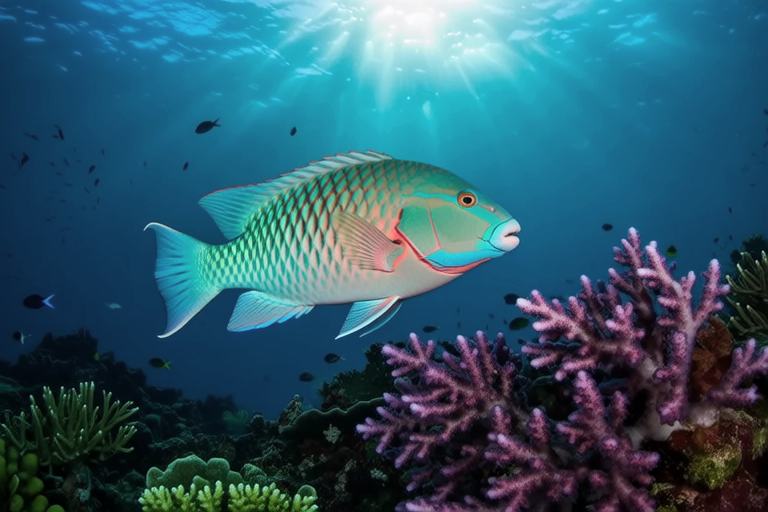
Parrot Fish Mysteries Solved: Decoding Their Behavior and Habitat
The ocean’s vibrant ecosystems are home to a myriad of fascinating creatures, each playing a crucial role in maintaining the delicate balance of marine life. Among these, parrot fish stand out as both visually captivating and ecologically vital. With over 90 species worldwide, ranging from the tiny blue-green parrotfish to the massive bumphead parrotfish, these colorful fish are found in tropical and subtropical waters, particularly around coral reefs. This article delves into the mysteries surrounding parrot fish, exploring their behavior, habitat, and recent scientific discoveries that have illuminated these enigmas.
Diversity and Ecological Importance
Parrot fish are known for their striking appearance, featuring vibrant hues of blues, greens, yellows, and reds. They belong to the family Scaridae, named after their beak-like jaws, which they use to scrape algae off rocks and coral. The diversity within this family is remarkable, with some species being herbivorous, while others are omnivorous or even carnivorous. Their diet primarily consists of algae, but they also consume small invertebrates, detritus, and other organic matter. Parrot fish play a critical role in maintaining the health of coral reefs by controlling algal growth and facilitating coral regeneration. Their feeding habits help prevent the overgrowth of algae, which can smother and kill corals if left unchecked.
Feeding Habits: A Mysterious Process
One of the most intriguing aspects of parrot fish behavior is their feeding process. These fish have evolved specialized teeth arranged in rows, forming a beak-like structure. They use this beak to scrape algae from rocks and coral, grinding it down into a fine paste. What remains a mystery is how they manage to digest such tough materials without damaging their digestive systems. Recent studies suggest that parrot fish possess a highly efficient digestive system capable of breaking down fibrous plant material, allowing them to extract nutrients effectively. Additionally, their feeding habits contribute to the recycling of nutrients within the reef ecosystem, enhancing its overall productivity.
Communication Methods: Silent Yet Social
Parrot fish are generally silent, lacking vocal cords or swim bladders used for sound production. However, they communicate through body movements, color changes, and physical interactions. During mating season, parrot fish engage in elaborate courtship displays, where males change color and perform acrobatic maneuvers to attract females. Despite their lack of vocalization, these fish exhibit complex social behaviors, forming schools during certain times of the year. Scientists have observed that these schools may serve multiple purposes, including protection from predators and coordination during feeding activities. Understanding these communication methods is crucial for comprehending their social structures and reproductive strategies.
Unique Sleeping Patterns
Another mystery surrounding parrot fish is their unique sleeping behavior. Many species secrete a mucus cocoon before resting, enveloping themselves in a protective layer that shields them from parasites and predators. The exact mechanism behind this process remains largely unknown, though researchers speculate that the mucus may act as a barrier against harmful bacteria and other microorganisms. This behavior underscores the adaptability of parrot fish to their environment, highlighting their evolutionary prowess in ensuring survival.
Habitat Preferences: Coral Reef Dependencies
Parrot fish are primarily associated with coral reefs, which provide them with food, shelter, and breeding grounds. Coral reefs are among the most biodiverse ecosystems on Earth, offering a wide array of habitats for various marine species. Parrot fish rely heavily on these reefs for their survival, feeding on the algae that grow on the coral surfaces. They also contribute to the reef’s health by preventing algal overgrowth and promoting coral growth. However, the relationship between parrot fish and coral reefs is not one-sided; the presence of parrot fish enhances the resilience of coral reefs, making them more resistant to environmental stressors such as climate change and pollution.
Migration Behaviors: Following the Seasons
Some parrot fish species exhibit migratory behaviors, moving between different locations based on seasonal changes. These migrations are often linked to breeding cycles, with fish traveling to specific areas to mate and spawn. While the triggers for these migrations are well-documented, the precise mechanisms that guide these journeys remain elusive. Recent research has suggested that environmental cues, such as water temperature and nutrient availability, play significant roles in influencing migration patterns. Understanding these behaviors is essential for predicting the effects of climate change on parrot fish populations and their habitats.
Recent Scientific Discoveries
Advancements in technology and increased research efforts have provided valuable insights into the mysteries surrounding parrot fish. For instance, scientists have developed new techniques to study their feeding habits in situ, revealing the intricate processes involved in extracting nutrients from their diet. Additionally, genetic analyses have shed light on the evolutionary relationships between different parrot fish species, helping to clarify their origins and diversification. These discoveries not only enhance our understanding of parrot fish but also provide tools for monitoring their populations and assessing the impacts of human activities on their habitats.
The Impact of Understanding Parrot Fish on Marine Conservation Efforts
The knowledge gained from studying parrot fish has profound implications for marine conservation. By understanding their behavior, habitat preferences, and ecological roles, conservationists can develop targeted strategies to protect these species and the ecosystems they inhabit. For example, initiatives aimed at reducing pollution and preserving coral reefs directly benefit parrot fish populations. Furthermore, recognizing the importance of parrot fish in maintaining healthy reef ecosystems can inspire greater public awareness and support for marine conservation efforts. Ultimately, unraveling the mysteries of parrot fish contributes to the broader goal of safeguarding the world’s oceans for future generations.
In conclusion, parrot fish are not only beautiful and diverse but also integral components of marine ecosystems. Through ongoing research and discovery, we continue to uncover the secrets of their behavior and habitat, deepening our appreciation for these remarkable creatures. As we strive to protect the ocean’s biodiversity, a better understanding of parrot fish plays a pivotal role in shaping effective conservation strategies. Let us embrace this knowledge and work together to ensure the preservation of these vital marine inhabitants and the vibrant ecosystems they call home.
