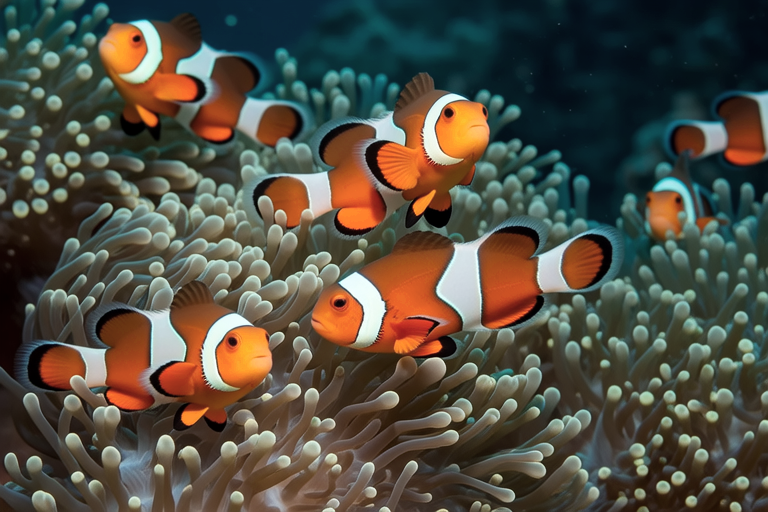
Top 10 Myths Debunked About Keeping Clownfish as Pets
Clownfish have captured the hearts of many aquarium enthusiasts since the release of Disney’s “Finding Nemo,” making them one of the most popular choices for home aquariums. Their vibrant colors, relatively peaceful nature, and adaptability to various environments make them a favorite among both novice and experienced aquarists. However, despite their widespread appeal, there are several misconceptions about keeping clownfish as pets. This article aims to debunk ten of the most common myths surrounding these fascinating creatures, providing you with accurate and useful information.
Myth 1: Clownfish Need a Large Tank to Thrive
One of the most prevalent myths about clownfish is that they require enormous tanks to live happily. Many people believe that because clownfish are marine animals, they need vast spaces similar to those found in the ocean. In reality, clownfish can thrive in smaller tanks as long as their basic needs are met. A 30-gallon tank is generally considered suitable for a single clownfish, and adding more room is beneficial if you plan to introduce additional fish or create a more complex ecosystem. The key is ensuring the water quality remains high and that the tank provides enough hiding spots and swimming space.
Myth 2: Clownfish Can Only Live with Anemones
Another common misconception is that clownfish must live with anemones to survive. While it’s true that clownfish have a symbiotic relationship with certain species of sea anemones in the wild, this is not a requirement for their survival in captivity. In fact, most clownfish do not need anemones to thrive in home aquariums. They will find other ways to hide and feel secure, such as behind rocks or within live plants. Additionally, some species of clownfish may even be aggressive towards anemones in a confined space, so it’s important to research the specific needs of your chosen clownfish species before introducing any potential tank mates.
Myth 3: All Clownfish Are Omnivorous
It’s widely believed that all clownfish are omnivores, meaning they eat both plant and animal matter. While it’s true that clownfish do consume algae and small pieces of plant material, their primary diet consists of meat-based foods. In the wild, clownfish feed mainly on zooplankton, small crustaceans, and leftovers from their anemone hosts. In captivity, a well-balanced diet should include high-quality flake food, pellets, and occasional treats like brine shrimp or bloodworms. Providing a varied diet rich in protein will help ensure your clownfish stays healthy and vibrant.
Myth 4: Clownfish Easily Breed in Captivity
Many people assume that clownfish breed effortlessly in captivity, but this couldn’t be further from the truth. Breeding clownfish requires careful planning and attention to detail. Successful breeding depends on factors such as water parameters, tank size, and the presence of a suitable mate. Some species of clownfish are more prone to breeding in captivity than others, and even then, it can take months or years of preparation before eggs are laid. If you’re interested in breeding clownfish, it’s essential to conduct thorough research and consult with experienced aquarists to increase your chances of success.
Myth 5: Clownfish Are Completely Peaceful Fish
While clownfish are often described as peaceful, this doesn’t mean they are completely non-aggressive. In fact, some species of clownfish can be quite territorial, especially when defending their territory or protecting their young. It’s important to consider the temperament of the specific clownfish species you’re interested in before adding them to your tank. Mixing clownfish with overly aggressive or fin-nipping species can lead to stress and injury. Always choose compatible tank mates and monitor interactions closely to ensure a harmonious environment.
Myth 6: Clownfish Don’t Need Saltwater
There’s a myth circulating that clownfish can survive in freshwater aquariums. This is entirely false. Clownfish are marine fish and require saltwater to thrive. They are adapted to living in the saline conditions of the ocean and cannot survive without it. For optimal health, keep your clownfish in a saltwater aquarium with appropriate salinity levels, which typically range between 1.020 and 1.025 specific gravity. Maintaining stable water parameters is crucial for the overall well-being of your clownfish.
Myth 7: Clownfish Are Immune to Common Aquarium Diseases
Another misconception is that clownfish are somehow immune to common aquarium diseases. While clownfish are generally hardy and resilient, they are not invincible. Like any fish, they can fall prey to parasites, bacterial infections, and fungal growths if their environment is not properly maintained. Regular water changes, monitoring water parameters, and maintaining good hygiene practices are essential for preventing illness. Additionally, quarantine new additions to your tank for at least two weeks before introducing them to the main aquarium to avoid bringing in potential pathogens.
Myth 8: Clownfish Prefer Solitary Living
Some aquarists mistakenly believe that clownfish prefer solitary living and should be kept alone. However, clownfish are social creatures and often do better when kept in pairs or small groups. In the wild, clownfish form monogamous pairs and work together to protect their territory and offspring. In captivity, a pair of clownfish can provide companionship and reduce stress. Just be sure to introduce them carefully and give them ample space to establish their territories without conflict.
Myth 9: Clownfish Require Specialized Lighting
There’s a myth that clownfish require specialized lighting to thrive in aquariums. While proper lighting is important for maintaining a healthy tank environment, clownfish themselves don’t have specific lighting requirements beyond what is necessary for the overall health of the aquarium. Adequate lighting helps support the growth of beneficial microorganisms and encourages the development of live rock and coral, which can provide natural food sources for your clownfish. As long as the lighting cycle mimics natural daylight and promotes a balanced ecosystem, your clownfish should do just fine.
Myth 10: Clownfish Are Easy to Feed
Finally, there’s a misconception that feeding clownfish is straightforward. While it’s true that clownfish are not particularly picky eaters, providing them with a well-rounded diet requires some effort. Overfeeding can lead to obesity and poor water quality, while underfeeding can cause malnutrition. It’s important to offer a variety of foods, including high-protein options, and to monitor your clownfish’s eating habits. Feeding small amounts multiple times a day can help prevent overfeeding and ensure your clownfish receive adequate nutrition.
Tips for New Clownfish Owners
If you’re considering bringing home a clownfish, here are some tips to ensure you provide the best possible care:
- Research Your Species: Different species of clownfish have varying needs, so it’s important to understand the specific requirements of the species you’re interested in.
- Set Up a Proper Tank: Ensure your tank is appropriately sized and equipped with the necessary filtration, lighting, and decor to create a stimulating and safe environment.
- Maintain Water Quality: Regularly test and maintain water parameters, including temperature, pH, and salinity, to provide a healthy habitat.
- Feed a Balanced Diet: Offer a variety of high-quality foods to meet your clownfish’s nutritional needs.
- Monitor Health: Keep an eye on your clownfish for signs of stress or illness, and address any issues promptly.
- Provide Companionship: Consider keeping clownfish in pairs or small groups to promote social interaction and reduce stress.
By understanding the truths behind these common myths, you’ll be better equipped to provide a loving and nurturing home for your clownfish. Remember, a well-informed aquarist is a happy aquarist, and with the right knowledge, you can enjoy the beauty and charm of these delightful creatures for years to come.
