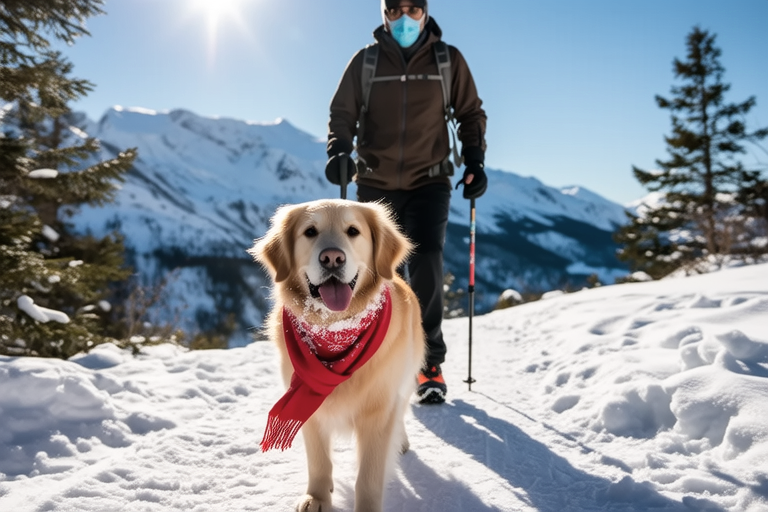
The Ultimate Guide to Winter Hiking with Your Dog in Norway
Winter hiking in Norway offers an unparalleled opportunity to explore the country’s stunning landscapes with your canine companion. From snow-covered mountains to frozen fjords, the natural beauty of Norway during winter is breathtaking. This guide will help you prepare for a memorable adventure, ensuring both you and your dog stay safe and comfortable.
Preparing Your Dog for Winter Hiking
Before embarking on a winter hiking trip with your dog, it’s crucial to ensure they are physically and mentally prepared for the challenges that come with cold weather. Start by acclimatizing your dog to colder temperatures gradually. Take short walks in cooler conditions and increase the duration as their tolerance improves. Additionally, check your dog’s paws regularly for any signs of frostbite or cuts caused by ice and snow.
Invest in high-quality winter gear designed specifically for dogs. A well-fitting coat or jacket will keep them warm and protect against wind chill. Boots can prevent paw injuries from sharp objects hidden beneath the snow. For smaller dogs or those with shorter coats, consider a sweater or a vest to provide extra warmth.
Ensure your dog is in good physical condition before heading out on longer hikes. Regular exercise throughout the year helps build endurance, which is especially important in winter when the terrain can be more challenging. Consult with your veterinarian to assess your dog’s fitness level and get recommendations for maintaining optimal health.
Essential Gear for You and Your Dog
Both you and your dog need proper equipment to stay safe and comfortable during winter hikes. For yourself, pack insulated clothing layers, including a waterproof outer layer, thermal base layers, and gloves. Bring along a sturdy pair of hiking boots with good traction, especially if you plan to hike on icy or snowy surfaces. Don’t forget a reliable backpack to carry essentials like food, water, first aid kit, and navigation tools.
Your dog requires similar gear tailored to their needs. In addition to the coat or jacket mentioned earlier, consider purchasing booties to protect their paws from ice, salt, and other harmful substances often found on trails. A reflective leash or harness ensures visibility during low-light conditions. Bring along a small backpack or carrier for your dog to carry treats or toys, encouraging them to participate actively in the journey.
For both human and canine participants, hydration is key. Carry enough water for yourself and bring a portable bowl for your dog. Electrolyte supplements can help maintain fluid balance in extreme cold. Pack high-energy snacks such as nuts, dried fruits, or energy bars for quick refueling during breaks.
Popular Winter Hiking Trails in Norway
Norway boasts numerous picturesque winter hiking trails suitable for various skill levels. Here are some top picks:
- Hardangervidda National Park: This vast plateau offers panoramic views of mountains, glaciers, and valleys. The trail network here provides opportunities for day hikes or multi-day excursions.
- Rondane National Park: Located near Lillehammer, this park features gentle slopes ideal for beginners. The trails lead through alpine meadows and past serene lakes.
- Trollstigen: Known for its steep hairpin bends, Trollstigen offers breathtaking vistas of the Romsdalen valley. While challenging, the well-maintained paths make it accessible for experienced hikers accompanied by their dogs.
- Geirangerfjord: Explore this UNESCO World Heritage Site via footpaths that wind along cliffs overlooking turquoise waters. The terrain ranges from easy strolls to more strenuous climbs depending on chosen routes.
Tips for Safe and Enjoyable Hikes
Plan ahead by checking weather forecasts and trail conditions before setting off. Stick to marked paths and avoid venturing into unfamiliar areas unless thoroughly researched. Always inform someone about your planned route and expected return time. Carry a map and compass or GPS device, even if relying heavily on mobile apps.
Stay hydrated and fuel up regularly. Stop frequently to rest and allow your dog to stretch its legs. Monitor both your own and your dog’s energy levels; don’t push beyond limits. If feeling tired or experiencing discomfort, turn back early rather than risking injury.
Keep your dog under control at all times. Use voice commands and hand signals effectively. Train them beforehand so they respond quickly and reliably during outdoor activities. Avoid off-leash areas unless explicitly permitted.
How to Read Norwegian Weather Forecasts
Understanding Norwegian weather reports enhances your ability to plan successful outings. Meteorological services provide detailed information through websites, radio broadcasts, and smartphone applications. Pay attention to temperature, wind speed, precipitation type (snow, rain), and visibility indicators. Be cautious of strong winds, blizzards, or sudden changes in temperature.
Learn common terms used in local forecasts. For example, “snekkast” refers to drifting snow, while “snøstorm” indicates a heavy snowstorm. Familiarize yourself with regional patterns; some regions may experience milder winters compared to others due to geographical factors.
Advice on Respecting Local Wildlife and Environment
Interact responsibly with nature by adhering to Leave No Trace principles. Dispose of waste properly, minimizing impact on ecosystems. Refrain from feeding wild animals, which disrupts natural behaviors and poses health risks. Respect designated areas for specific activities, avoiding disturbance of sensitive habitats.
Be mindful of seasonal variations affecting wildlife populations. Certain species might hibernate or migrate elsewhere during winter months. Observe from a distance without interfering. Educate yourself about native flora and fauna; knowing what plants and animals inhabit the area enriches the experience.
Support conservation efforts by participating in volunteer programs aimed at preserving Norway’s natural heritage. Join organized events promoting environmental awareness, learning valuable skills along the way.
Embarking on a winter hiking adventure with your dog in Norway promises unforgettable moments filled with scenic wonders and shared companionship. By following these guidelines, you set yourself up for success while contributing positively towards sustainable tourism practices.
