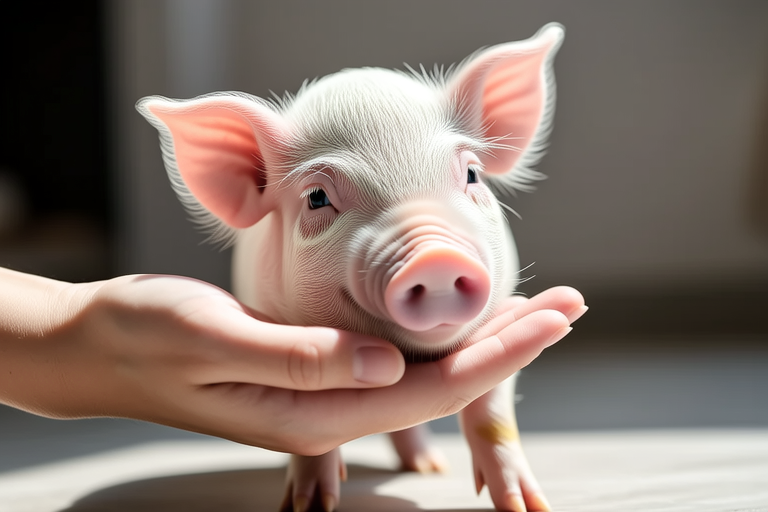
Adopting a Mini Pig? Here’s Why They’re More Than Just Cute
Welcome to the world of mini pigs! These adorable creatures have captured the hearts of many pet lovers. However, before diving into the joys of adopting a mini pig, it’s important to understand what you’re getting into. This article will guide you through the myths, realities, and unique qualities of mini pigs, helping you decide if they’re the right fit for your lifestyle.
Dispelling Myths About Mini Pigs
One of the most common misconceptions about mini pigs is their size. Many people assume they stay small enough to fit in a tote bag, but this couldn’t be further from the truth. While some breeds may remain relatively petite, others can grow to be over 100 pounds. Proper nutrition and genetics play significant roles in determining their adult size.
Another myth is that mini pigs require less maintenance than other pets. In reality, these intelligent animals need just as much attention, care, and stimulation as any other pet. Their dietary needs, exercise routines, and social interactions are crucial for their well-being.
Unique Characteristics of Mini Pigs
Mini pigs are fascinating animals with a variety of endearing traits. Their intelligence is one of the most remarkable features. Mini pigs can learn tricks, respond to commands, and even open cabinets and doors. Their problem-solving skills are comparable to those of dogs, making training sessions both enjoyable and rewarding.
Socially, mini pigs thrive in companionship. They form strong bonds with their human families and other pets. Many owners report that their mini pigs seek out affection and enjoy being part of family activities. Their sociability also extends to other pigs, making them excellent candidates for multi-pet households.
Despite their reputation for being messy, mini pigs are actually quite clean. They prefer to live in tidy environments and will often choose a specific area to relieve themselves. With proper training, they can be potty-trained indoors, which is a testament to their intelligence and adaptability.
The Responsibilities of Owning a Mini Pig
Owning a mini pig comes with significant responsibilities. Diet is one of the most critical aspects of their care. A balanced diet rich in vegetables, fruits, grains, and proteins is essential for maintaining their health. Overfeeding, especially with high-fat foods, can lead to obesity, which is detrimental to their longevity and quality of life.
Exercise is another key component of keeping your mini pig healthy. Regular walks, playtime, and mental stimulation are necessary to prevent boredom and maintain their physical fitness. Mini pigs are naturally curious and active, so providing them with opportunities to explore and interact is vital.
Creating a suitable habitat is also crucial. Mini pigs require ample space to move around comfortably. Indoor living spaces should be large enough to accommodate their natural behaviors, such as rooting and wallowing. Outdoor enclosures should provide shade, shelter, and protection from predators.
Personal Stories of Successful Mini Pig Adoptions
Meet Bella, a rescue mini pig who found her forever home with Sarah and Mark. Initially skeptical about the responsibility, Sarah and Mark were won over by Bella’s intelligence and affection. “She quickly became a part of our family,” Sarah says. “Her curiosity and loyalty are unmatched.”
Another example is Max, adopted by the Johnsons after a visit to a local animal shelter. The Johnsons were initially unsure about the commitment but decided to give it a try. “Max has brought so much joy to our lives,” says Mr. Johnson. “He’s taught us patience and the importance of consistency in training.”
These stories highlight the deep bonds formed between mini pigs and their owners. Despite the challenges, the rewards far outweigh the difficulties.
How to Adopt a Mini Pig Responsibly
If you’ve decided that a mini pig is the right pet for you, the next step is finding a reputable breeder or shelter. Research thoroughly and ask questions about the pig’s lineage, health, and temperament. A responsible breeder or shelter will provide detailed information and support throughout the adoption process.
Commitment is key when adopting a mini pig. These animals can live up to 20 years, so consider the long-term implications of ownership. Ensure you have the resources and willingness to provide consistent care and attention throughout their lifetime.
