10 Secrets Every Persian Cat Owner Should Know
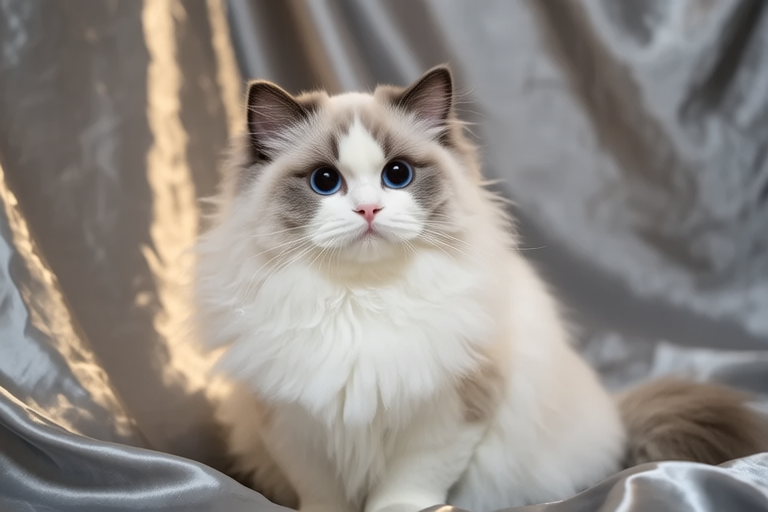
Persian cats are one of the most popular cat breeds, known for their luxurious long coats, gentle demeanor, and striking facial features. However, owning a Persian cat comes with its own set of responsibilities and challenges. This article aims to provide you with ten secrets every Persian cat owner should know to ensure your feline friend lives a long, healthy, and happy life.
1. Grooming Their Long Coats
The most noticeable feature of a Persian cat is its long, silky coat. Proper grooming is essential to keep their fur tangle-free and prevent matting. Daily brushing is recommended to remove loose hair and distribute natural oils throughout the coat. Use a slicker brush followed by a comb to detangle any knots. Additionally, regular baths are necessary to keep the coat clean and shiny. It’s important to be gentle during bathing and drying to avoid damaging the delicate skin and fur.
2. Managing Health Issues
Persian cats are prone to certain health issues due to their genetic makeup. Polycystic kidney disease (PKD) is one of the most common hereditary conditions affecting this breed. Regular check-ups with a veterinarian can help detect PKD early. Other health concerns include respiratory problems, dental issues, and obesity. Monitoring your cat’s weight, providing a balanced diet, and ensuring they have regular dental care can help mitigate these risks.
3. Dietary Recommendations
Feeding your Persian cat a balanced diet is crucial for maintaining their overall health. High-quality commercial cat food that meets the nutritional requirements of your cat’s age, size, and activity level is ideal. Wet food can be beneficial for hydration, especially if your cat doesn’t drink enough water. Avoid feeding them table scraps or human foods that may be harmful, such as chocolate, onions, or garlic. Consult your veterinarian for personalized dietary advice based on your cat’s specific needs.
4. Exercise Needs
Despite their gentle nature, Persian cats require some form of physical activity to stay healthy. Interactive toys like feather wands or laser pointers can stimulate their hunting instincts and provide mental stimulation. Providing scratching posts and climbing structures can also encourage movement and exercise. Encourage playtime regularly, but remember that Persian cats are generally less active than other breeds, so moderate exercise is sufficient.
5. Social Behavior
Persian cats are known for their calm and affectionate personalities. They enjoy companionship and can form strong bonds with their owners. While they are not typically lap cats, they often seek out close proximity to their humans. Introducing new pets gradually and providing separate spaces can help maintain harmony in multi-pet households. Socializing your Persian cat from an early age can make them more comfortable around strangers and other animals.
6. Suitable Living Environments
Persian cats thrive in quiet, stable environments. They prefer a calm atmosphere where they can relax without stress. Indoor living is highly recommended to protect them from outdoor dangers such as traffic, predators, and diseases. Provide cozy sleeping spots, elevated perches, and hiding places to give them a sense of security. Ensure your home is free from toxic plants and chemicals that could harm your cat.
7. Training Techniques
Training Persian cats can be challenging due to their independent nature. Positive reinforcement methods work best when training your cat. Reward desired behaviors with treats, praise, or playtime. Clicker training can be particularly effective for teaching simple commands or tricks. Consistency is key; repeat the same commands and reward system consistently to reinforce learning. Be patient and understanding, as each cat learns at their own pace.
8. Common Myths About Persian Cats
There are several misconceptions about Persian cats that need clarification. One myth is that all Persians are lazy and inactive. While they may be less energetic than some breeds, they still require mental and physical stimulation. Another myth is that they don’t shed. All cats shed, though Persian cats may produce more fur due to their long coats. Lastly, it’s a misconception that Persians are difficult to train. With patience and positive reinforcement, Persians can learn various commands and tricks.
9. Signs of Illness to Watch For
Knowing the signs of illness can help you catch potential health issues early and seek veterinary care promptly. Changes in appetite, unusual weight gain or loss, excessive thirst or urination, lethargy, vomiting, diarrhea, or difficulty breathing are all red flags. Monitor your cat’s litter box habits, coat condition, and overall demeanor. Early intervention can significantly improve outcomes for many feline health problems.
10. Advice on Choosing the Right Vet
Selecting the right veterinarian is crucial for your Persian cat’s healthcare. Look for a clinic that specializes in feline medicine or has experience with Persian cats. Ask friends, family, or online communities for recommendations. During your initial visit, observe how the staff interacts with your cat and whether they take time to answer your questions. Establishing a good relationship with your vet will ensure your cat receives the best possible care throughout their lifetime.
Owning a Persian cat is a rewarding experience filled with love and companionship. By understanding and addressing their unique needs, you can provide a safe, healthy, and enjoyable environment for your cherished pet. Remember, each cat is an individual, so tailor your approach based on your Persian’s specific personality and requirements.
