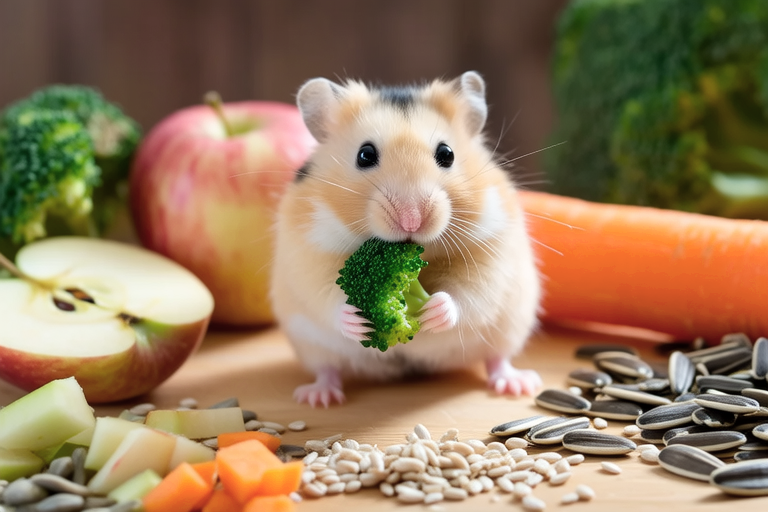
The Best Foods for Hamsters: A Complete List of What to Feed Your Furry Pal
Proper nutrition is crucial for the health and longevity of your hamster. As responsible pet owners, we must understand their dietary needs to provide them with the best care possible. Hamsters have specific nutritional requirements that, when met, can lead to a healthy and happy life. This guide will walk you through the essentials of feeding your furry friend, including the best commercial diets, fresh produce, grains, and seeds. We’ll also discuss what human foods to avoid and offer tips on portion control and introducing new foods safely.
Understanding Nutritional Needs
Hamsters require a balanced diet rich in protein, carbohydrates, fats, vitamins, and minerals. These nutrients support their growth, energy levels, and overall well-being. Protein is vital for muscle development and repair, while carbohydrates provide the necessary energy. Fats are important for maintaining healthy skin and fur, and vitamins and minerals play a role in various bodily functions.
Recommended Commercial Diets
Commercial hamster food is designed to meet most of your pet’s nutritional needs. Look for high-quality pellets or mixtures that include a variety of grains, seeds, and dried fruits. Avoid products with artificial colors, flavors, or preservatives. Brands like Oxbow, Kaytee, and Supreme offer reliable options. However, even with commercial diets, it’s essential to supplement with fresh foods to ensure a diverse and balanced diet.
Fresh Vegetables and Fruits Suitable for Hamsters
Vegetables and fruits provide essential vitamins and minerals that are beneficial for your hamster’s health. Some safe options include:
- Bell peppers: Rich in vitamin C and antioxidants.
- Carrots: High in beta-carotene, which converts to vitamin A.
- Broccoli: Provides fiber and vitamin C.
- Spinach: Offers iron and calcium.
- Apples: High in fiber and vitamin C.
- Strawberries: Packed with vitamin C and antioxidants.
Introduce these items gradually and in small quantities to prevent digestive upset. Rotate different vegetables and fruits weekly to maintain variety and prevent boredom.
Safe Grains and Seeds
Grains and seeds are a great source of carbohydrates and healthy fats. Some safe options include:
- Oats: A good source of fiber and protein.
- Rice: Provides easily digestible carbohydrates.
- Pumpkin seeds: High in zinc and magnesium.
- Sunflower seeds: Offer healthy fats and protein.
While these foods are nutritious, they should be given in moderation due to their high-fat content. Too many seeds can lead to weight gain and other health issues.
Potential Human Foods to Avoid
Some human foods can be harmful or toxic to hamsters. Avoid giving them:
- Chocolate: Contains theobromine, which is toxic to hamsters.
- Avocado: Can cause stomach upset and potentially fatal heart problems.
- Onions and garlic: Harmful to red blood cells.
- Citrus fruits: May cause digestive issues.
- Dairy products: Hamsters are lactose intolerant.
Always research before introducing any new food to your hamster’s diet.
Tips on Portion Control and Dietary Variety
Portion control is key to preventing obesity and ensuring balanced nutrition. A general guideline is to feed your hamster 1-2 teaspoons of commercial food daily, supplemented with small portions of fresh foods. Rotate the types of fresh foods you offer to keep your hamster’s diet varied and interesting. This approach helps prevent picky eating habits and ensures your pet receives a wide range of nutrients.
Introducing New Foods Safely
When introducing new foods, start by offering a small amount and monitor your hamster’s reaction over the next 24 hours. Watch for any signs of digestive upset, such as diarrhea or lethargy. If no adverse reactions occur, you can gradually increase the quantity. It’s always better to introduce one new food at a time to identify any problematic items.
Monitoring Eating Habits
Regularly observe your hamster’s eating habits to ensure they are consuming their food adequately. A sudden loss of appetite could indicate an underlying health issue. Keep an eye out for changes in behavior, stool consistency, or coat condition, as these may signal dietary or health concerns. Consult a veterinarian if you notice any abnormalities.
By following this comprehensive guide, you can ensure your hamster enjoys a healthy, balanced diet that promotes optimal health and happiness. Remember, a well-fed hamster is a happy hamster!
