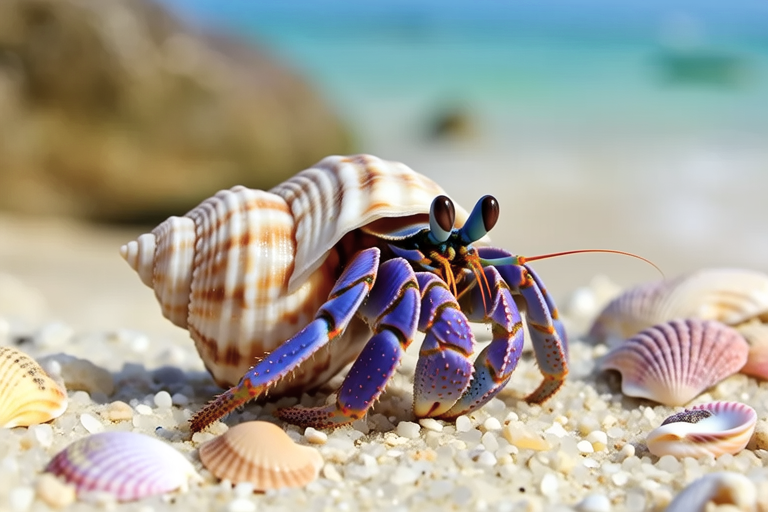
Caring for Your Curious Critter: A Guide to Hermit Crabs
Welcome to your comprehensive guide on how to care for your curious critters, hermit crabs! Whether you’re a beginner or an experienced hermit crab owner, this guide will provide you with all the essential information needed to ensure your hermit crabs lead happy and healthy lives.
Understanding Your Hermit Crab
Hermit crabs are fascinating creatures that are known for their unique shells and curious behaviors. These small crustaceans have adapted to live in discarded mollusk shells, which they carry around as protection from predators and harsh environmental conditions. Their name comes from the Greek word “erimites,” meaning “lives alone,” but despite this, hermit crabs are quite social creatures when provided with the right environment.
Habitat Setup
Choosing the Right Enclosure
Your hermit crab’s enclosure should be spacious enough for them to move around freely. A general rule of thumb is to provide at least one gallon of space per crab. However, it’s always better to give them more room than less.
For substrate, choose a fine, sandy mix that mimics the beach. This substrate allows your hermit crabs to dig and burrow, which is crucial for their comfort and well-being. Avoid using materials like gravel or wood chips, as these can harm your crabs if ingested.
Temperature and Humidity
Hermit crabs thrive in warm, humid environments. The ideal temperature range for their enclosure is between 75°F and 85°F (24°C to 29°C). You can achieve this by using under-tank heaters or heat lamps. Humidity levels should be maintained between 70% and 80%. A hygrometer is useful for monitoring humidity levels, and misting the enclosure daily helps maintain moisture.
Decorating the Habitat
Adding various shells of different sizes and shapes is essential, as hermit crabs need to change their shells as they grow. Include other decorations such as driftwood, rocks, and plants to create a stimulating environment. Make sure all items are clean and safe for your hermit crabs.
Dietary Needs
Hermit crabs are omnivores and require a balanced diet of proteins, carbohydrates, and vitamins. They enjoy a variety of foods, including fresh fruits, vegetables, and commercial hermit crab food. Offer them treats like pieces of shrimp, fish, or cooked chicken. Ensure that all food is fresh and free from pesticides or preservatives.
Provide a shallow dish filled with dechlorinated water for drinking. Additionally, offer a dish with a mixture of sea salt and dechlorinated water for shell cleaning and molting. Regularly clean and refill these dishes to prevent contamination.
Shell Changing Behavior
One of the most intriguing aspects of hermit crab care is observing their shell-changing behavior. As hermit crabs grow, they outgrow their current shell and seek a new, larger one. Providing a variety of shells in different sizes is crucial to ensure they can find a suitable replacement. Place the shells in different areas of the enclosure to encourage exploration and reduce stress during the transition.
When your hermit crab is ready to change shells, it will often approach the new shell cautiously, tapping it with its claws. If satisfied, it will quickly move into the new shell, leaving the old one behind. This process can be thrilling to watch, but remember to keep an eye on your crab to ensure it finds a comfortable fit.
Social Interactions
Contrary to their solitary name, hermit crabs are social creatures that benefit greatly from living in groups. They interact with each other through climbing, playing, and even sharing food. Providing ample space and resources within the enclosure is essential for promoting positive social interactions. Monitor their behavior regularly to ensure that no crab is being bullied or excluded.
Handling your hermit crabs gently and frequently can also help them become more comfortable around humans. Always support their body when holding them, and avoid squeezing or pinching their pincers. With patience and consistent interaction, your hermit crabs will likely become more trusting and interactive over time.
Common Health Issues
Like any pet, hermit crabs can experience health issues. Common problems include dehydration, shell rot, and parasitic infections. Signs of dehydration include lethargy, wrinkled skin, and a lack of energy. Shell rot appears as dark spots or soft areas on the shell, which can indicate underlying health issues. Parasites may cause your hermit crab to become listless or exhibit unusual behavior.
If you notice any signs of illness, consult a veterinarian specializing in exotic pets for proper diagnosis and treatment. Maintaining optimal habitat conditions, providing a balanced diet, and regular observation are key to preventing health issues.
Maintaining a Healthy Environment
To keep your hermit crabs healthy, it’s important to maintain a clean and hygienic environment. Clean the enclosure weekly, removing waste and uneaten food. Replace the substrate every few months to prevent bacterial growth. Regularly check for mold or mildew, especially in moist areas.
Monitor the temperature and humidity levels daily to ensure they remain within the recommended range. Adjust heating or ventilation as necessary to maintain a stable environment. By keeping the enclosure clean and well-maintained, you’ll help prevent the spread of disease and promote overall well-being.
Tips for Handling and Enrichment
Handling Tips
When handling your hermit crabs, always support their entire body to avoid injuring their delicate legs or antennae. Gently place your hand near the entrance of the shell and allow the crab to climb onto your hand. Be patient, as some hermit crabs may take longer to feel secure outside their shell.
Enrichment Activities
Providing enrichment activities can stimulate your hermit crabs mentally and physically. Create obstacle courses using tunnels, bridges, and platforms. Introduce new scents or textures by adding spices, herbs, or natural fibers to the enclosure. Rotate toys and decorations periodically to keep the environment interesting and engaging.
Interactive play sessions with your hermit crabs can strengthen your bond and provide entertainment for both you and your pets. Spend time watching them explore and interact, and you’ll be rewarded with a deeper understanding of their behaviors and preferences.
Conclusion
Caring for hermit crabs is a rewarding experience that requires attention to detail and dedication. By following the guidelines outlined in this comprehensive guide, you’ll be well-equipped to provide a nurturing and stimulating environment for your curious critters. Remember to observe your hermit crabs regularly, address any concerns promptly, and enjoy the unique companionship they bring into your home.
