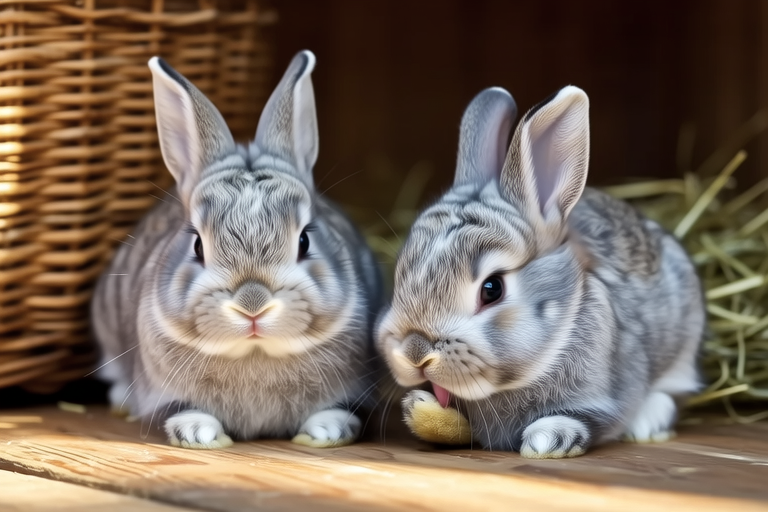
Dutch Dwarf Rabbits: From Barnyards to Bedrooms
The Dutch Dwarf rabbit is a charming and compact breed that has captured the hearts of many pet owners. Originating from the barnyards of Europe, these rabbits have made a remarkable journey to become beloved companions in homes around the world. Their small size, friendly demeanor, and ease of care make them ideal pets, especially for those living in smaller spaces.
Origins in Barnyards
The Dutch Dwarf rabbit was first bred in the Netherlands in the early 20th century. Breeders sought to create a small rabbit with the same coloring patterns found in larger breeds, such as the Dutch Rabbit. By crossing various small rabbit breeds, they successfully developed the Dutch Dwarf, which retains the distinctive white blaze and colored patches of its larger counterpart. These rabbits were initially kept for meat production and as show animals but quickly gained popularity as pets due to their gentle nature and manageable size.
The Transition to Bedroom Companions
Over time, the Dutch Dwarf rabbit’s reputation grew beyond the confines of agricultural settings. Their small size, typically weighing between 1.5 and 2.5 pounds, made them perfect for indoor living. As more people sought companion animals that could thrive in urban environments, the Dutch Dwarf rabbit became a popular choice. Today, these rabbits are often found in apartments and houses, providing comfort and joy to their owners.
Temperament and Care Requirements
Dutch Dwarfs are known for their docile and friendly temperaments. They are generally easy to handle and can be trained to use a litter box, making them suitable for apartment living. However, like all rabbits, they require proper care and attention. Providing a safe and stimulating environment is essential for their well-being. This includes a spacious cage or enclosure, toys, and regular interaction with their human family.
Living Spaces
One of the reasons why Dutch Dwarfs are so well-suited for small living spaces is their size. A large cage or enclosure, at least 24 inches by 36 inches, provides ample room for movement and exercise. Additionally, allowing your rabbit supervised playtime outside of their enclosure helps keep them mentally and physically stimulated.
Dietary Needs
Proper nutrition is crucial for maintaining a healthy Dutch Dwarf rabbit. Their diet should consist primarily of hay, fresh vegetables, and a limited amount of pellets formulated specifically for rabbits. Fresh water should always be available. It’s important to introduce new foods gradually to prevent digestive upset.
Health Issues and Preventative Care
Like any animal, Dutch Dwarfs are susceptible to certain health issues. Common problems include dental disease, gastrointestinal stasis, and respiratory infections. Regular veterinary check-ups, proper diet, and clean living conditions can help prevent many of these issues. Early detection and treatment are key to ensuring your rabbit lives a long and healthy life.
Veterinary Care
It’s advisable to find a veterinarian experienced in treating small mammals. Regular check-ups, vaccinations (if recommended by your vet), and prompt treatment of any health issues are essential. Dental check-ups are particularly important, as malocclusion (misalignment of teeth) can occur and requires ongoing attention.
Suitability as Pets
Dutch Dwarfs are highly social animals that enjoy interacting with their human families. They are generally gentle and can be good with children if handled properly. However, it’s important to supervise interactions to ensure the safety of both the child and the rabbit. While they are relatively low-maintenance compared to some other pets, Dutch Dwarfs still require attention, affection, and care.
Training Tips
Training your Dutch Dwarf rabbit to use a litter box can be a rewarding experience. Start by placing the litter box in a corner of their enclosure where they naturally go to the bathroom. Encourage them to use it by offering treats when they use the box. Consistency and patience are key to successful training.
Tips for First-Time Rabbit Owners
If you’re considering adding a Dutch Dwarf rabbit to your family, there are several things to keep in mind. First, research thoroughly to understand the specific needs of this breed. Spend time learning about their behavior, diet, and care requirements. Second, consider adopting from a reputable breeder or rescue organization. Lastly, be prepared for the commitment involved in caring for a pet rabbit. They can live up to 8-12 years, so it’s important to be ready for a long-term relationship.
Adoption Considerations
Adopting a Dutch Dwarf rabbit from a shelter or rescue organization can be a fulfilling experience. Many shelters offer guidance and support for new owners, helping you provide the best possible care for your new pet. Additionally, adopting from a shelter can help give a loving home to a deserving animal.
Conclusion
The Dutch Dwarf rabbit’s journey from barnyard to bedroom is a testament to their adaptability and charm. Their small size, friendly nature, and ease of care make them ideal pets for many households. By understanding their specific needs and providing proper care, you can ensure your Dutch Dwarf rabbit enjoys a happy and healthy life. Whether you’re a seasoned rabbit owner or a first-time pet parent, the Dutch Dwarf offers a delightful companionship that will enrich your home.
