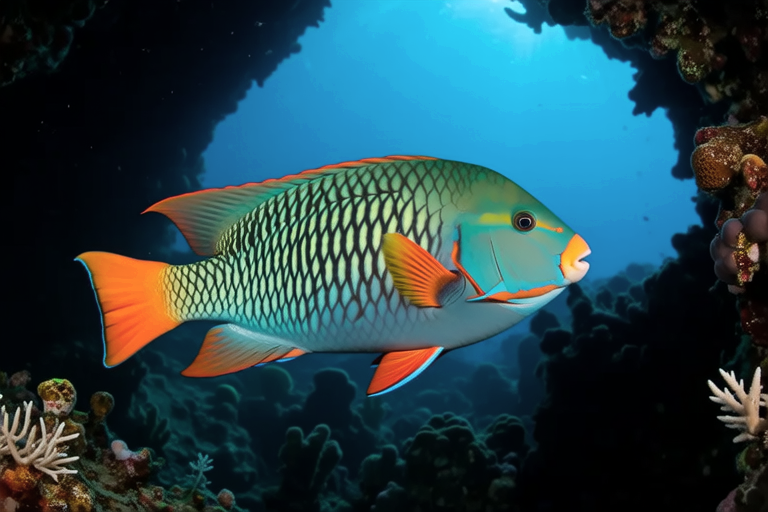
Discover the Secret Lives of Parrot Fish: From Daytime to Nighttime Habits
Parrot fish are some of the most vibrant and fascinating creatures that inhabit our oceans. Known for their bright colors and unique behaviors, these fish have captivated the imagination of divers and marine enthusiasts alike. This article will take you through the secret lives of parrot fish, exploring their habits from dawn to dusk. We’ll uncover their dietary preferences, habitat choices, and unique adaptations that allow them to thrive in their underwater world.
The Daytime Activities of Parrot Fish
During the day, parrot fish are active and busy. They are primarily herbivores, feeding on algae that grow on coral reefs and rocks. Their beak-like mouths are perfectly adapted for scraping algae off hard surfaces. This feeding method helps maintain the health of coral reefs by preventing algae overgrowth.
Parrot fish are also known for their territorial behavior. Males establish and defend their territories, which can range from a few square meters to several hundred square meters, depending on the species. These territories often include areas where they can find food and shelter. Male parrot fish may even change color or pattern to attract females or deter rivals.
Nighttime Habits
As night falls, parrot fish undergo a dramatic transformation. Many species produce a mucus cocoon around themselves before settling down for the night. This cocoon serves as a protective barrier against predators and parasites. Some scientists believe it may also mask their scent, making it harder for nocturnal hunters to locate them.
At night, parrot fish retreat to deeper waters or seek out hiding spots within the reef. Here, they rest until morning, conserving energy for another day of feeding and activity.
Unique Adaptations for Survival
One of the most remarkable features of parrot fish is their ability to change color and pattern. This adaptation allows them to blend into their surroundings or signal to other members of their species. Some species can even alter their appearance based on their mood or the situation at hand.
Another unique adaptation is their ability to create sand. As parrot fish feed on coral polyps and algae, they ingest small pieces of coral. After digestion, the indigestible parts are excreted, contributing to the formation of sand on tropical beaches. This process plays a crucial role in maintaining the delicate balance of coral reef ecosystems.
Social Structures
Parrot fish live in complex social structures. They are typically found in schools, especially when they are younger. These schools provide protection from predators and help them find food more efficiently. As they mature, many species form harems, with one dominant male mating with multiple females.
Some species of parrot fish exhibit cooperative behavior. For example, cleaner wrasses and other small fish often swim alongside parrot fish, removing parasites and dead skin. This symbiotic relationship benefits both parties, as the parrot fish get cleaned, and the cleaner fish get a meal.
Interesting Facts About Parrot Fish
Parrot fish come in a wide variety of colors and sizes, with over 90 recognized species. Their colors can range from vibrant blues and greens to striking reds and oranges. Some species can grow up to four feet long, while others remain relatively small.
Many species of parrot fish are hermaphrodites, meaning they possess both male and female reproductive organs. In some cases, individuals can switch between male and female roles throughout their lives. This flexibility ensures that populations remain healthy and balanced.
Conservation Notes
Despite their importance to marine ecosystems, parrot fish face numerous threats. Overfishing, habitat destruction, and climate change all pose significant risks to their survival. Coral reefs, which provide essential habitats for parrot fish, are particularly vulnerable to rising sea temperatures and ocean acidification.
To protect parrot fish and their habitats, it’s crucial to support sustainable fishing practices and marine conservation efforts. By reducing pollution and promoting responsible tourism, we can help ensure that future generations will continue to marvel at these magnificent creatures.
Additionally, supporting organizations that work to preserve coral reefs and marine biodiversity can make a significant difference. Educating yourself and others about the importance of marine ecosystems is also vital in raising awareness and fostering a sense of responsibility towards protecting our oceans.
In conclusion, parrot fish are fascinating creatures with complex behaviors and important roles in marine ecosystems. Understanding their secret lives can deepen our appreciation for the diversity of life in our oceans and inspire us to take action to protect these vital environments.
